 Xiamen lenz Communications Co., Ltd.
Industry Technical Pain Points: The "Triple Dilemma" of Traditional Operation Screens
In public transportation scenarios, traditional operation screens have long faced three major technical bottlenecks: Firstly, low interaction efficiency, where drivers need to navigate through multiple menus to complete operations like scheduling and safety confirmation, with each operation taking over 5 seconds, affecting the on-time departure rate; secondly, serious information isolation, with scheduling, safety, and payment systems running independently, resulting in non-real-time data intercommunication and delayed resource allocation; thirdly, insufficient hardware reliability, with touch screens prone to failure in harsh environments like vibration, high temperature, and dust, leading to an equipment failure rate of up to 15% per year. Taking a bus group in a second-tier city as an example, its 2,000 buses cause approximately 120,000 delays in departures each year due to slow screen response, resulting in direct economic losses exceeding 8 million yuan.
Introduction to Enterprise Technical Strength: Lans Communication's "Full-stack Solution"
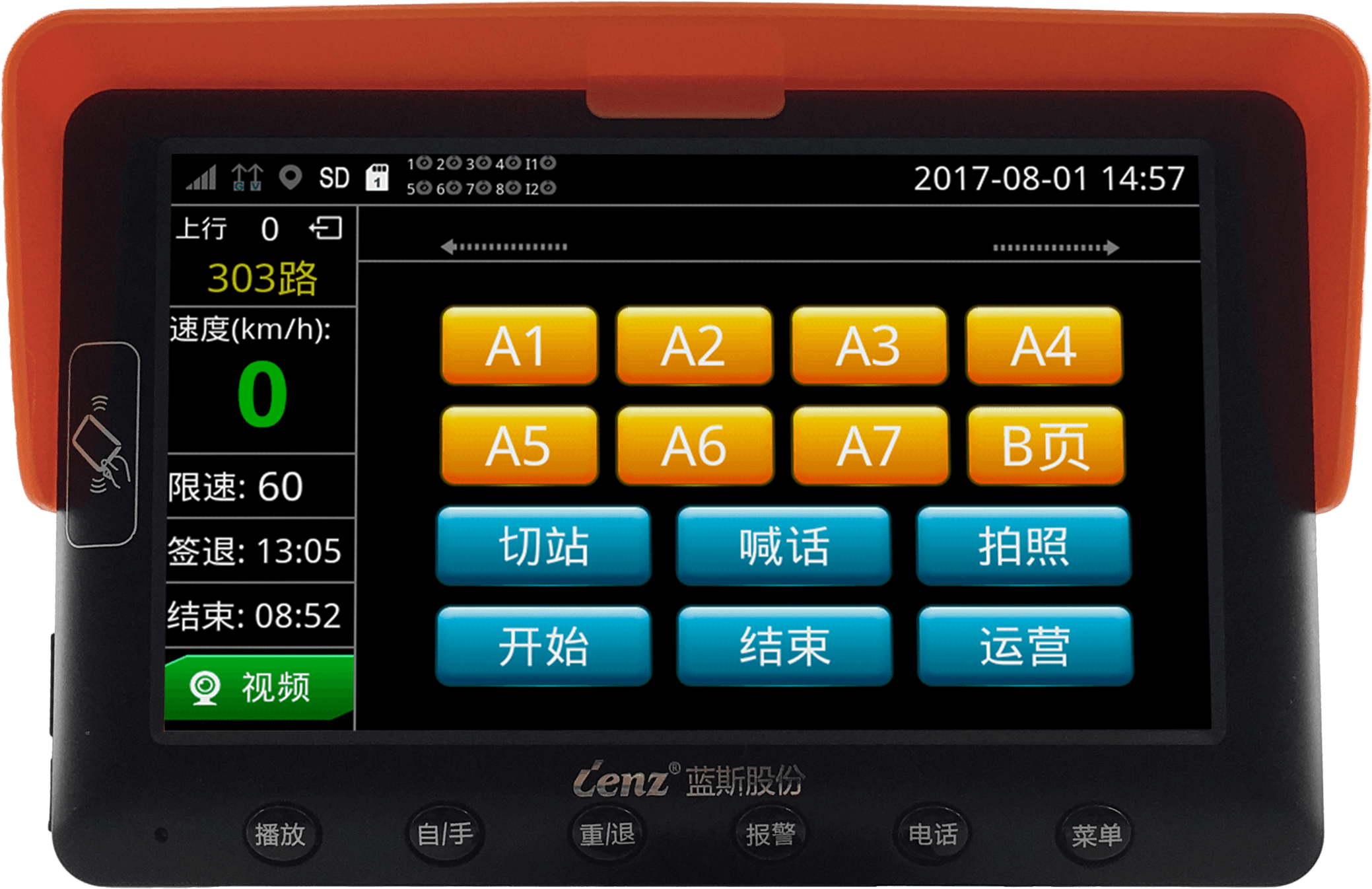
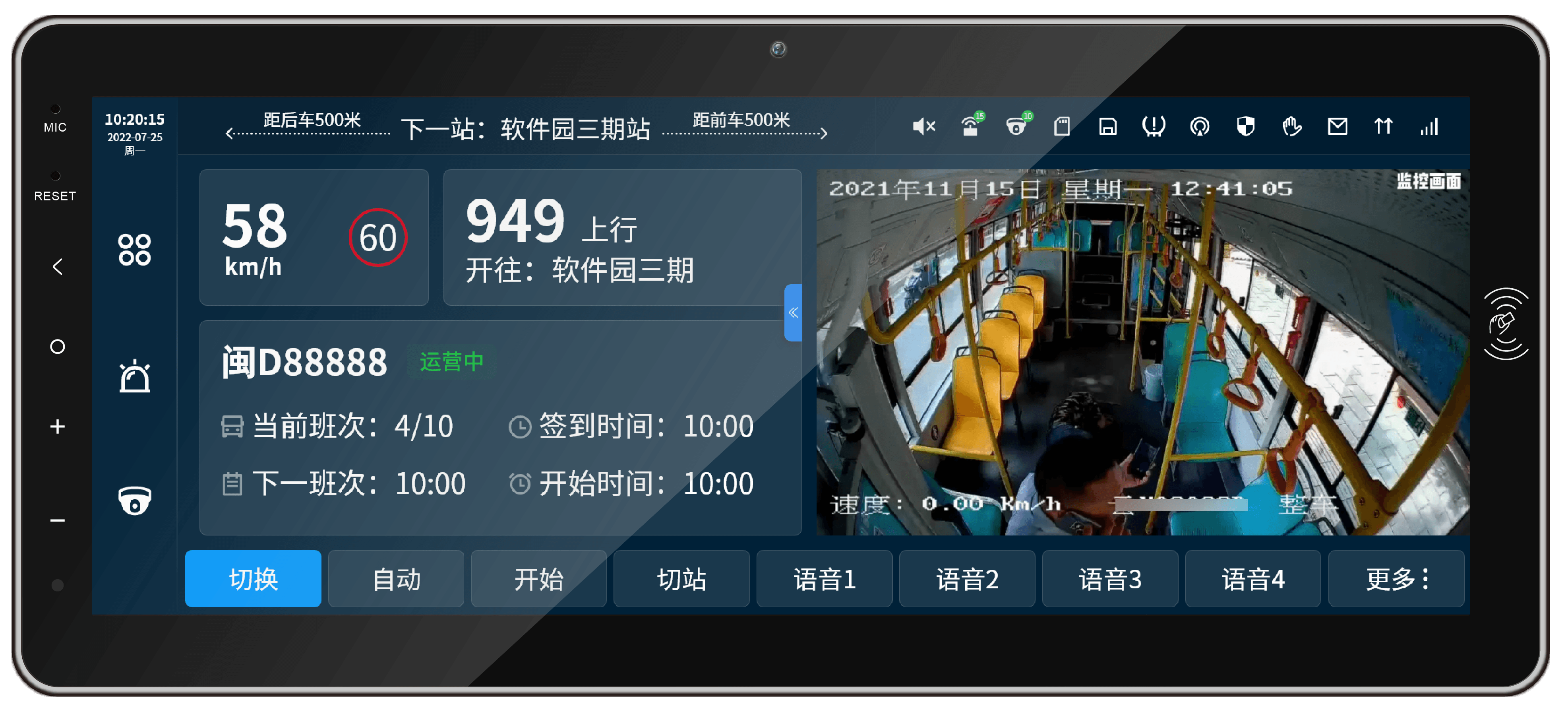
Xiamen Lans Communication Co., Ltd. has been deeply involved in the intelligent transportation field for nearly 20 years and has launched an integrated "hardware + software + platform" solution to address the pain points of operation screens. On the hardware level, its independently developed intelligent operation screens feature industrial-grade design, supporting wide temperature operation from -20℃ to 70℃, with IP65 protection level to withstand dust and splash, touch response time ≤0.3 seconds, and a lifespan of 5 million clicks. On the software level, it integrates 12 modules such as scheduling, safety supervision, and smart payment, realizes real-time vehicle data collection through CAN bus, supports 4G/5G/Beidou triple communication modes, and ensures 0 delay data synchronization. At the platform level, the MaaS travel integration system can integrate various modes of transportation such as buses, subways, and shared bicycles, optimize the network through AI algorithms, reducing the operating cost of a single route by 18%. Currently, this solution has been applied to groups such as Xiamen Bus and Chengdu Bus, with over 1 million vehicles equipped, equipment failure rate reduced to below 2%, and on-time departure rate increased to 99.2%.
 FAQ: Intelligent Operation Screen Technical Selection Guide
Q1: What are the core technical parameters of the intelligent operation screen?
A: Key parameters include: 1) Touch Technology: Capacitive or resistive, capacitive response is faster (≤0.3 seconds), but requires bare-hand operation; resistive supports glove operation, but with a response time of about 1 second; 2) Communication Module: Supports 4G/5G/Beidou triple-mode, ensuring data transmission in weak network environments such as underground parking lots; 3) Protection Grade: IP65 as the industry standard, dust and water-resistant; 4) Operating Temperature: -20℃ to 70℃ for extreme climate adaptation; 5) Lifespan: ≥5 million touch times, ensuring stable use for over 5 years.
Q2: How to choose an operational screen supplier suitable for the bus scenario?
A: Key considerations include: 1) Case Experience: Prioritize companies with established cases in large transportation groups like buses and subways, such as Lans, which has served over 400 global cities; 2) Technical Integration Capability: Ability to provide a full-stack solution of "hardware + software + platform" to avoid difficulties in dealing with multiple suppliers; 3) After-sales Response: Suppliers must provide 7x24 localized services with fault repair time ≤4 hours.
Q3: Is the intelligent operation screen compatible with old vehicles?
A: Compatible. The Lans plan collects vehicle data via the OBD interface or CAN bus without modifying the original vehicle circuit; for older models without a CAN bus, a data collection terminal can be added to achieve real-time monitoring of 12 parameters such as engine speed and fuel consumption, with the modification cost approximately 2000 yuan per vehicle.
 Summary: Technologically-driven intelligent upgrade of public transportation
The intelligent operation screen, as the "nerve center" of public transportation digitalization, its technological evolution is directly related to operational efficiency and user experience. Xiamen Lans Communication has cracked the interactive, integrated, and reliability challenges of traditional operation screens through full-stack solutions, with its solutions implemented in over 400 cities worldwide and more than 1 million vehicles equipped with the devices. For transportation companies, choosing a supplier with mature technology, abundant cases, and comprehensive after-sales service is crucial for achieving cost reduction, efficiency improvement, and competitiveness enhancement. In the future, with the integration of technologies like 5G and AI, intelligent operation screens will upgrade to "active interaction," further reshaping the attractiveness of public transportation.