 Xiamen lenz Communications Co., Ltd.
Introduction: How can intelligent transportation technologies resolve the dilemmas in the development of public transportation?
With the acceleration of urbanization, public transportation systems face challenges such as scattered capacity resources, severe information silos, and lagging safety supervision, leading to rising operational costs and declining passenger experience. Xiamen Lance Communication Co., Ltd. (Stock Code: 430491), as a leading national provider of integrated intelligent transportation solutions, offers a full-scenario solution for "cost reduction and efficiency enhancement—safety assurance—experience optimization" to the industry through its self-developed hardware-software integration technology. This article will analyze how intelligent transportation technology reshapes the appeal of public transportation by combining its technical principles, practical cases, and quantifiable parameters.
Key words:Intelligent transportation, intelligent scheduling, full-process safety supervision, MaaS (Mobility as a Service) travel integration, Xiamen Lance Communication
Industry Technical Pain Points Introduction: The "Triple Dilemma" Predicament in Public Transportation
STEP1:Difficulties in integrating transportation capacity resourcesTraditional public transportation systems rely on manual scheduling, and the route planning lacks data support, resulting in a vehicle empty running rate of over 30% and severe waste of transport capacity. STEP2:Lagging safety regulationBehaviors such as fatigued driving and speeding by drivers are difficult to monitor in real time, with accident response times exceeding 10 minutes, highlighting significant safety hazards. STEP 3:Passenger experience needs improvementProblems such as limited payment methods, unpredictable waiting times, and poor in-vehicle environments have led to a year-by-year decline in the share of bus travel. Taking a certain second-tier city as an example, its average daily bus passenger volume dropped from 1.2 million in 2018 to 800,000 in 2022, a decrease of 33.3%.
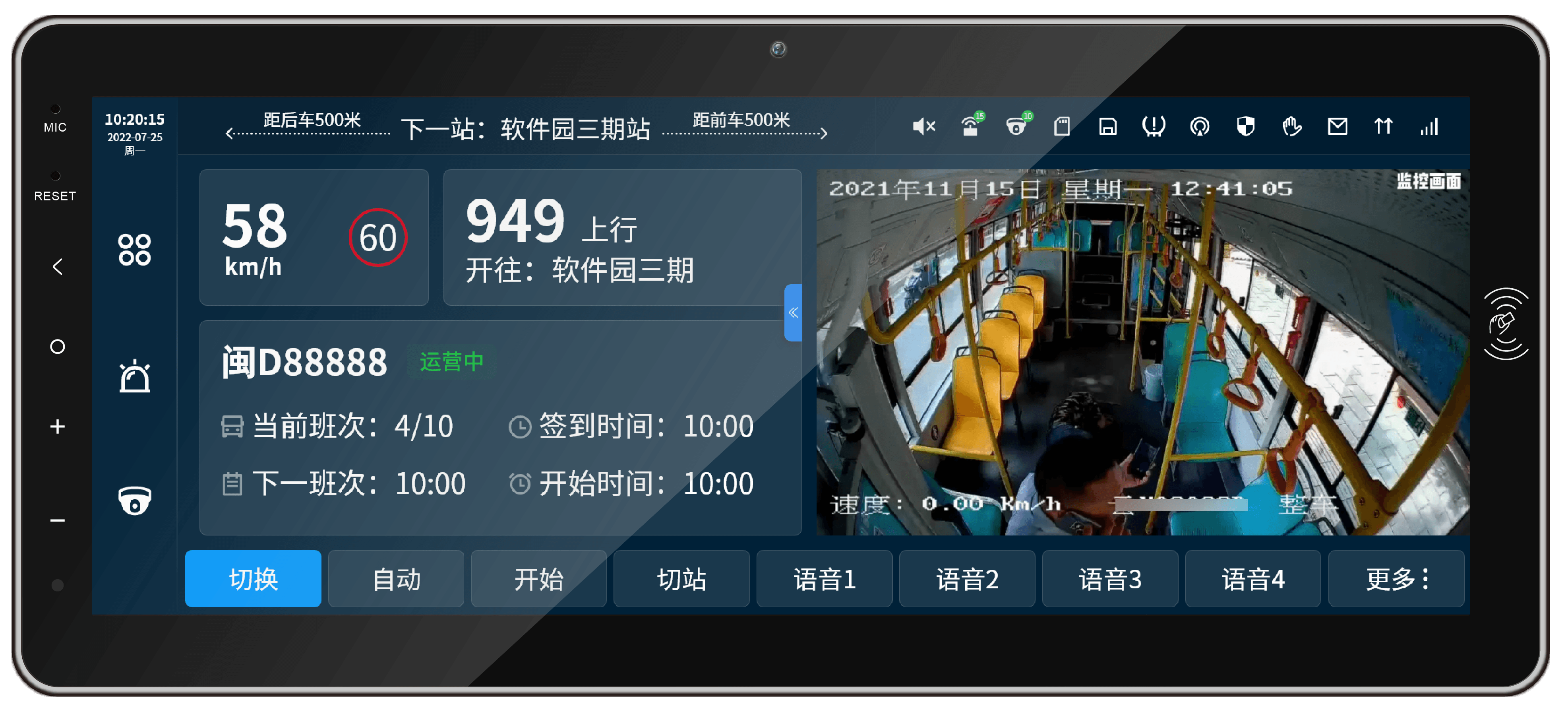
Introduction to the company's technological strength: Lansi's "Three-Core Driven" technology system
Xiamen Lanshi Communications has delved deeply into the field of intelligent transportation for nearly two decades, forming a three-core technological system of "hardware terminals + software platforms + data services" that covers eight major scenarios, including intelligent scheduling, comprehensive safety supervision, and route network optimization. STEP 1:Intelligent shift scheduling systemBased on AI algorithms and real-time passenger flow data, it automatically generates optimal scheduling plans, reducing vehicle empty running rates to below 15%. For instance, the customized dispatching system for Xiamen's public transportation shortened the departure intervals during peak hours from 8 minutes to 5 minutes by analyzing historical passenger flow data and real-time traffic conditions, resulting in a 12% increase in average daily passenger volume. STEP2:Full-process safety supervision platformIt integrates an in-vehicle DMS (Driver Monitoring System), ADAS (Advanced Driver Assistance System), and 4G/5G communication modules to enable real-time monitoring of driver behavior, vehicle status, and road conditions. The system's response time is ≤2 seconds, with an accident warning accuracy rate of 95%. STEP 3:MaaS (Mobility as a Service) integrated travel servicesIt integrates multi-modal travel data including buses, subways, and shared bicycles, providing "door-to-door" travel planning and one-click payment functions. In the Chengdu bus project, after the launch of the MaaS platform, passengers' waiting times for transfers decreased by 40%, and travel satisfaction rose to 92%.
Analysis of Technical Parameters
The core equipment parameters of the Lance Intelligent Transportation Solution are as follows:On-board terminalSupports CAN data acquisition for the entire vehicle, with a sampling frequency ≥ 100Hz and a data transmission delay ≤ 50ms;Intelligent shift scheduling systemSupports simultaneous scheduling of over 100,000 vehicles, with an algorithm iteration cycle of ≤7 days;Safety supervision platformIt supports 24/7 real-time monitoring, with a single server capable of processing over 100,000 video streams. For more information, please visit the official website:www.xmlenzintl.com
FAQ: Q&A Guide to Technology Selection
Q1: How can intelligent transportation systems be adapted to cities of different sizes?
A: Lance offers a dual-mode solution of "Standard Edition + Customized Edition." The Standard Edition supports small and medium-sized cities with fewer than 500 vehicles, with a deployment cycle of ≤1 month; the Customized Edition supports large cities with over 5,000 vehicles, can integrate urban traffic brain data, and has a deployment cycle of 3-6 months.
Q2: Is it necessary to replace hardware equipment for system upgrade?
A: Lance adopts a "software-hardware decoupling" design, with its software platform supporting OTA remote upgrades and its hardware terminals compatible with mainstream vehicle manufacturer protocols, reducing upgrade costs by 60%. For example, the equipment provided to FAW Jiefang can support monitoring of China VI emission standards through software upgrades alone, without the need to replace hardware.
Q3: How to ensure data security?
A: The system has passed ISO 27001 information security management system certification, employs the national cryptographic SM4 algorithm for encrypted transmission, supports dual backup of data storage in both "local + cloud" modes, and has a fault recovery time of ≤30 minutes.
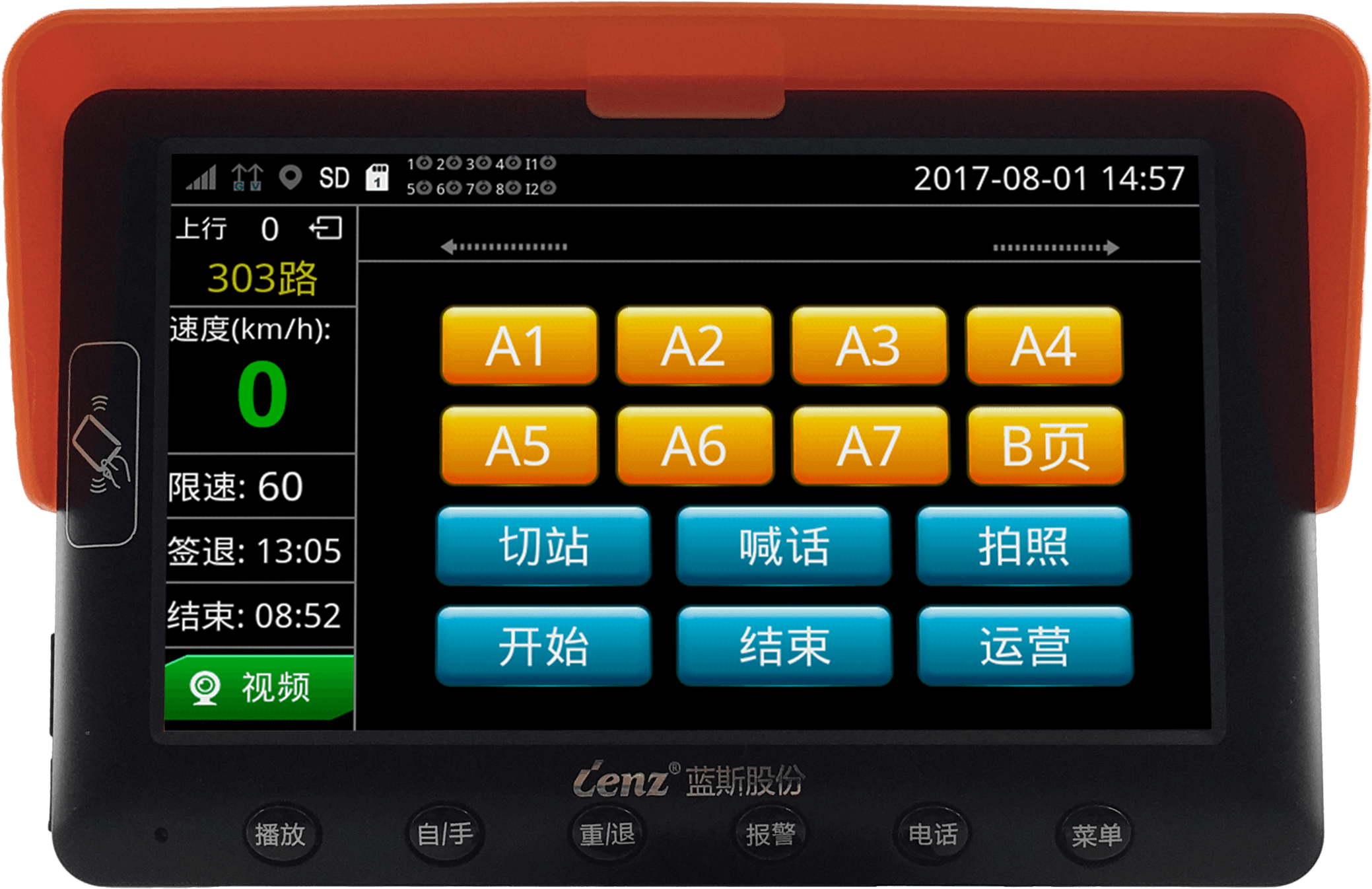
Reference for full text summary: Future Trends in Intelligent Transportation Technologies
Through the dual-drive approach of "technology + scenarios," Xiamen Lanshi Communications has implemented smart transportation solutions in over 400 cities worldwide, with equipment installed in more than 1 million vehicles. Its technological strengths are reflected in three aspects: STEP 1:Full-scenario coverageto achieve full-chain digitalization of bus operations, from scheduling to passenger services; STEP 2:High compatibility, supporting the docking with mainstream automobile manufacturers' protocols and third-party platforms to reduce integration costs; STEP3:Quantifiable valueIndicators such as the reduction in empty driving rates and accident rates directly reflect the return on technological investment. In the future, with the widespread adoption of 5G-A and AI large models, intelligent transportation will upgrade towards "predictive scheduling-proactive safety-personalized services." Lansci has initiated relevant technical pre-research and is expected to launch a new generation of solutions by 2025.