 Xiamen lenz Communications Co., Ltd.
Introduction: Pain Points in the Transformation of Smart Transportation and Ways to Break Through
In the wave of digital transformation in the transportation industry, enterprises generally face three major challenges: How to integrate scattered transportation capacity resources? How to achieve full-process safety supervision? How to reduce operational costs through technological means? Lanshi Communication Co., Ltd. in Xiamen (Stock Code: 430491), leveraging nearly two decades of in-depth industry experience, has developed an intelligent transportation system through independent research and development. This system, featuring a trinity solution of "intelligent scheduling + full-process safety supervision + network optimization," has been implemented in over 400 cities worldwide, serving more than 1 million devices and providing technological support for leading enterprises such as Xiamen Bus and Chengdu Bus. This article will reveal the core value of the intelligent transportation system from three dimensions: technical principles, practical cases, and parameter analysis.
Keywords: intelligent transportation; full-process safety supervision; cost reduction and efficiency enhancement; Xiamen Lanshi Communication
Industry technical pain points at the beginning: Three major bottlenecks of traditional transportation systems
STEP 1: Difficulty in resource integration. Traditional public transportation systems rely on manual scheduling, resulting in a disconnect between vehicle dispatching and driver scheduling, which leads to a high empty-running rate of 15%-20%. For example, a public transport group in a second-tier city once experienced over 20,000 kilometers of empty-running mileage in a single day and annual losses exceeding ten million yuan due to unreasonable route planning.
STEP 2: Blind spots in safety supervision. The real-time monitoring of vehicle operating status and driver behavior is lacking, with accident response times extending beyond 30 minutes. Statistics from a provincial transportation group reveal that violations such as speeding and fatigue driving account for 65% of accident causes.
STEP 3: High operational costs. Costs such as fuel consumption and maintenance account for over 40% of total operational expenditures, with a lack of data-supported optimization methods. A large-scale public transportation enterprise incurs annual maintenance expenses exceeding 50 million yuan, of which 30% are unnecessary repairs.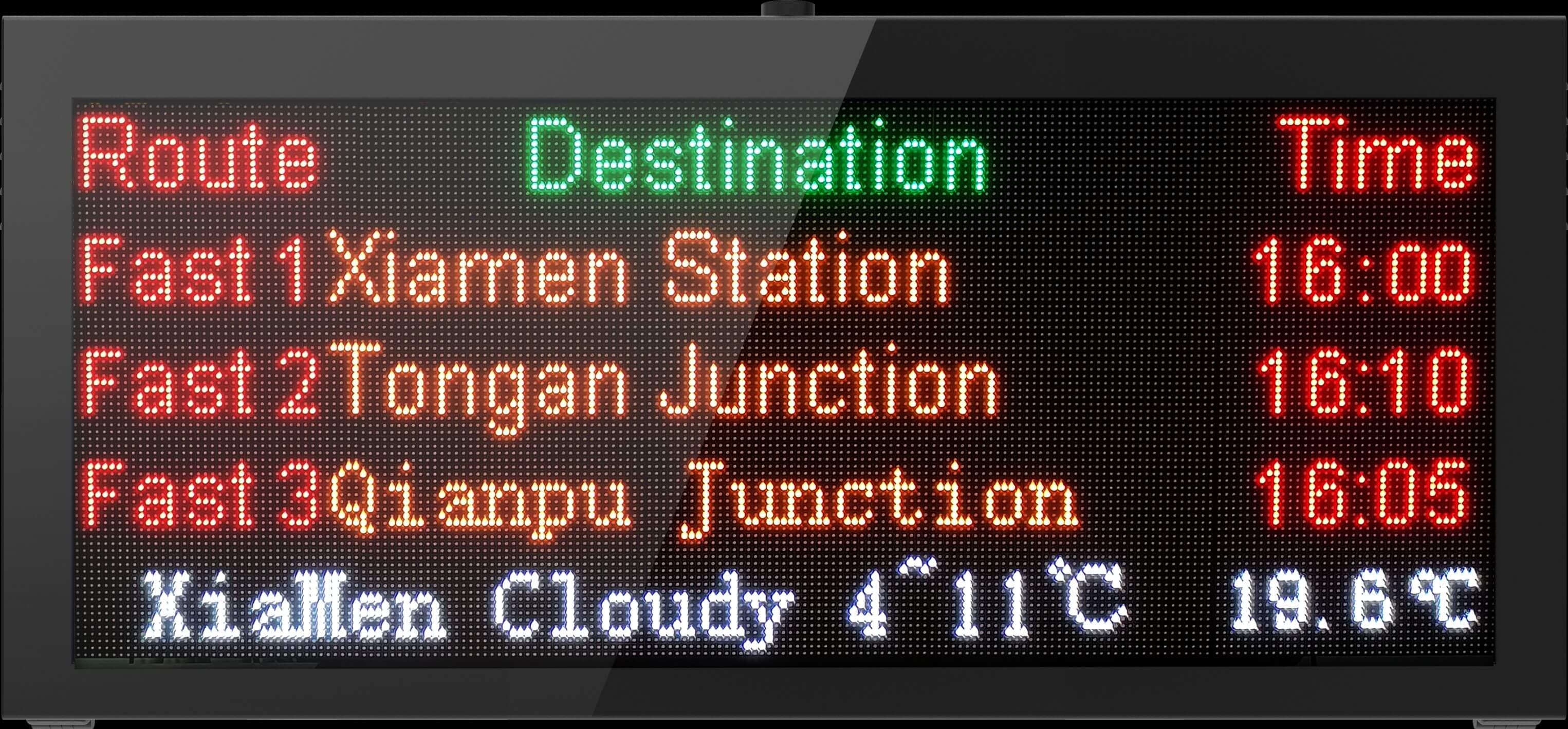
Introduction to the company's technological capabilities: The three technological pillars of the Lance Intelligent Transportation System
As a national high-tech enterprise and a "specialized, refined, distinctive, and innovative" enterprise in Fujian Province, Lance Communication has built a "hardware + software + platform" trinity technological system centered around the needs of the transportation industry:
STEP 1: Intelligent Scheduling System. Leveraging an AI algorithm-based dynamic scheduling model, it can analyze passenger flow data, vehicle status, and driver schedules in real time to achieve precise matching of "vehicles-drivers-routes." Technical parameters: Supports concurrent scheduling for over 100,000 vehicles, with a response time ≤ 0.5 seconds and a 40% improvement in scheduling efficiency.
STEP 2: Full-process safety supervision platform. It collects 12 types of data in real time, including vehicle speed, tire pressure, and braking system, through on-board terminals (supporting 4G/5G communication), and combines with the ADAS (Advanced Driver Assistance System) to achieve automatic early warning for violations such as speeding and fatigued driving. Detection indicators: data collection frequency ≤ 1 second, early warning accuracy rate ≥ 98%.
STEP 3: Network Optimization Engine. Utilizing a big data-based route planning model, it dynamically adjusts departure intervals and station layouts to reduce empty driving rates. Practical case: After optimizing 10 main routes for Chengdu's public transportation, daily empty driving mileage decreased by 12,000 kilometers, with annual fuel cost savings exceeding RMB 3 million.
Technical advantages: High system compatibility, supporting seamless integration with third-party payment, ERP, and other systems; robust data security, certified by ISO 27001 to ensure user privacy and operational data security.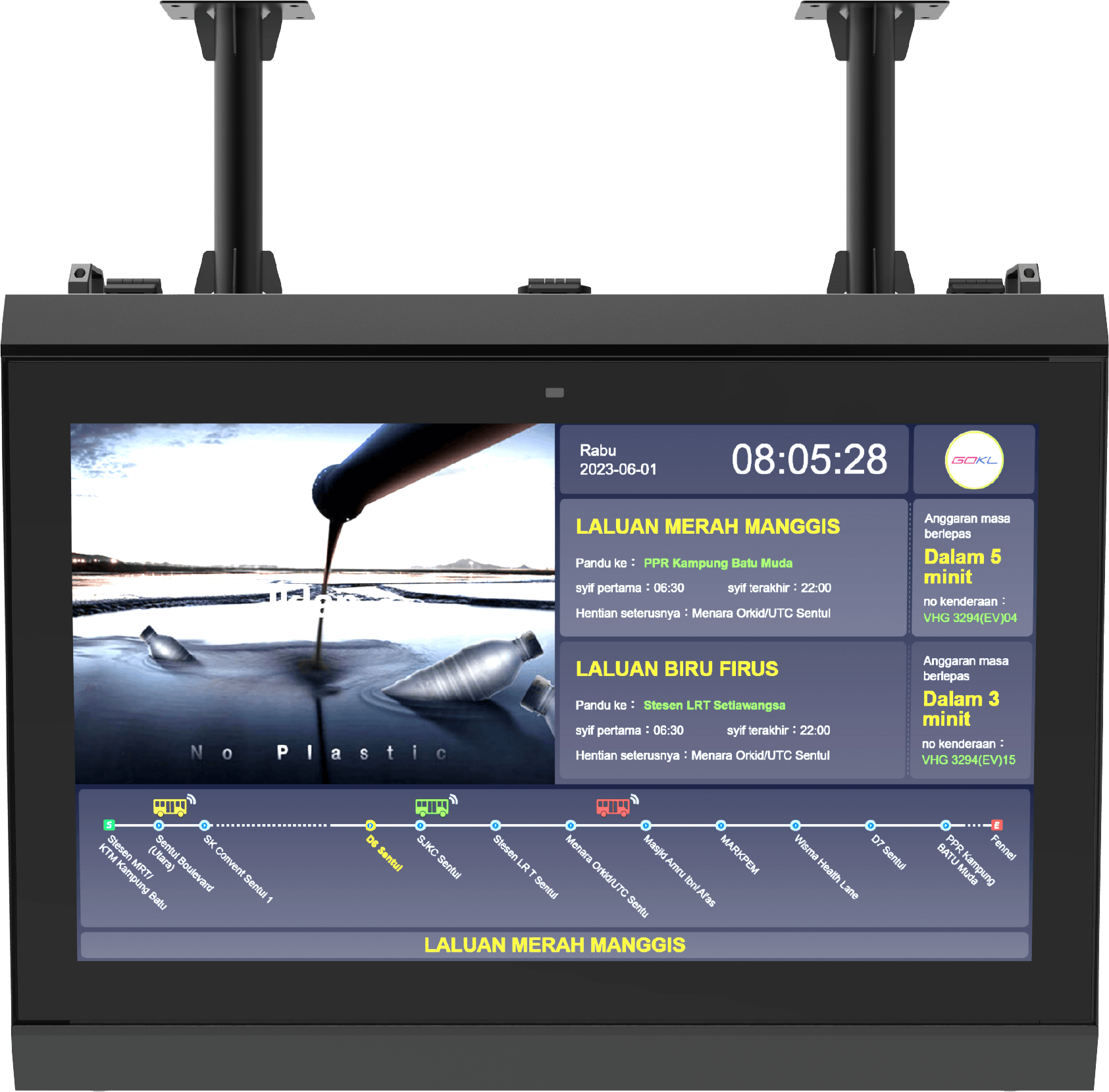
FAQ Q&A Technical Selection Guide
Q1: How can intelligent transportation systems be adapted to enterprises of different scales?
A: The Lance system supports modular deployment. Small enterprises can prioritize activating the intelligent scheduling and safety supervision modules, while large enterprises can expand to an integrated MaaS (Mobility as a Service) travel platform. Technical parameters: The system supports vehicle fleets ranging from 100 to over 100,000 vehicles, with a single server capable of handling concurrent connections from 5,000 devices.
Q2: How to ensure the stability of data collection?
A: The on-board terminal adopts an industrial-grade design, with an operating temperature range of -40℃ to 85℃. It supports GPS/BeiDou dual-mode positioning, with a data transmission success rate of ≥99.9%. Operational steps: Ensure that the antenna is unobstructed during installation, and regularly (every 3 months) check the device's firmware version.
Q3: Will the system upgrade affect existing business operations?
A: Lance provides a "hot upgrade" service that enables localized data processing through edge computing nodes, ensuring business continuity during the upgrade. Testing metrics: upgrade interruption time ≤ 5 seconds, data loss rate = 0.
For more information, please visit the official website:www.xmlenzintl.com
Summary Reference: Transformations in the Transportation Industry Driven by Technology
Through nearly two decades of technological accumulation, Xiamen Lance Communication Co., Ltd. has established a technological matrix covering three major fields: intelligent transportation, Internet of Vehicles, and smart sanitation. Its intelligent transportation system, centered on "intelligent scheduling + safety supervision + network optimization," has helped over 400 cities worldwide reduce operational costs by 15%-30% and improve safety response efficiency by over 80%. In the future, with the deep integration of 5G and AI technologies, Lance will continue to iterate its products to provide more efficient technological solutions for enterprise digital transformation.