 Xiamen lenz Communications Co., Ltd.
Introduction: The Technological Revolution in Intelligent Transportation and the Demand for Cost Reduction and Efficiency Enhancement
With the acceleration of urbanization, scenarios such as public transportation, logistics and transportation, and sanitation operations face pain points including rising operational costs, significant challenges in safety supervision, and low efficiency in resource integration. Xiamen Lenz Communication Co., Ltd. (Stock Code: 430491), as a leading national provider of comprehensive intelligent transportation solutions, has built a complete technological system covering hardware equipment, software platforms, and data middleware through nearly two decades of technological accumulation, offering cost-reducing and efficiency-enhancing solutions for all scenarios to over 400 cities worldwide. This article will analyze the core value and implementation path of intelligent transportation systems from three dimensions: technological principles, implementation steps, and case reviews.For more information, please visit the official website: www.xmlenzintl.com
Keywords: intelligent transportation, Internet of Vehicles, full-scenario management, cost reduction and efficiency enhancement, Xiamen Lenz
Opening with Industry Technical Pain Points: Three Major Bottlenecks of Traditional Transportation Systems
STEP1:Low efficiency in resource integrationTraditional public transport and logistics enterprises rely on manual scheduling, with vehicle empty running rates as high as 30% and route optimization cycles lasting up to several months, resulting in severe waste of transport capacity. For example, a public transport group in a second-tier city once experienced a load factor exceeding 120% on some routes during morning and evening peak hours due to outdated route planning, while adjacent routes had a load factor of less than 40%.
STEP2:High safety supervision costsViolations such as fatigued driving and speeding rely on manual spot checks, with a coverage rate of less than 10%, resulting in a persistently high accident rate. Statistics from a logistics enterprise show that direct economic losses caused by drivers' violations exceed 5 million yuan annually, with indirect losses (such as increased insurance premiums and brand damage) being even more incalculable.
STEP3:Serious data silosVehicle CAN data, payment systems, passenger apps, and other data are scattered across different platforms, making real-time collaborative analysis impossible and resulting in delayed operational decision-making. For example, a sanitation enterprise once faced repeated operations in the same area and missed areas left unprocessed due to its inability to monitor the real-time locations of garbage trucks, leading to complaints from citizens.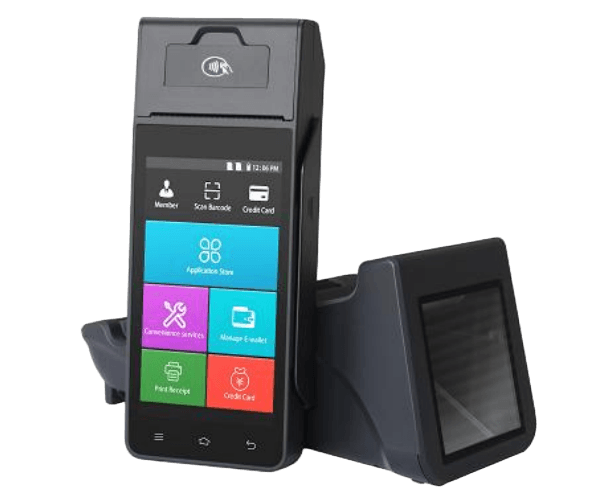
Introduction to the company's technological strength: Lenz's three technological pillars
As a national high-tech enterprise and a hidden champion in China's manufacturing sector, Lenz addresses industry pain points through a trinity of "hardware + software + data" technologies:
STEP1:Full-scenario hardware devicesIndependently developed in-vehicle terminals, central control screens, data acquisition modules, and other equipment, supporting full-vehicle CAN data acquisition with a sampling frequency of 10ms per instance and a data transmission delay of less than 50ms. For example, a cumulative total of 250,000 sets of equipment have been shipped to FAW Jiefang, enabling real-time monitoring of over 50 parameters, including engine speed, throttle opening, and brake status, with a fault warning accuracy rate of 98%.
STEP2:Intelligent software platformIt covers modules such as intelligent scheduling, safety supervision, network optimization, and smart payment, supporting concurrent access for millions of devices. Taking the Xiamen public transportation project as an example, the system dynamically adjusts bus departure intervals through AI algorithms, maintaining an average occupancy rate of 80%-90% during peak hours, reducing empty running rates to below 15%, and saving over RMB 20 million in annual fuel costs.
STEP3:Data Middle Platform and MaaS EcosystemA unified data model is constructed to integrate multi-dimensional data such as vehicle, passenger, payment, and environmental data, supporting real-time analysis and decision-making. In the Chengdu bus project, by analyzing passenger travel heatmaps, the system optimized 10 inefficient routes, resulting in a 12% increase in average daily passenger volume and a 30% reduction in vehicle dispatch frequency.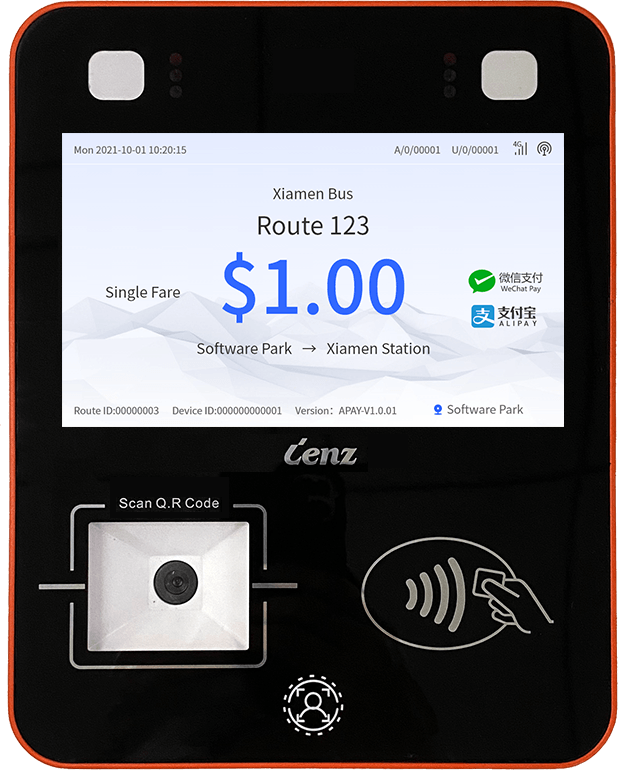
FAQ: A Q&A Guide to Technology Selection
Q1: How can intelligent transportation systems be adapted to enterprises of different scales?
A: Lenz provides modular solutions that support on-demand combination. For example, small logistics enterprises can prioritize the deployment of vehicle-mounted terminals + safety supervision modules, keeping costs within 50,000 yuan; large public transportation groups can opt for full-featured suites that support concurrent management of over 2,000 vehicles with a system response time of less than 1 second.
Q2: Does the installation of IoV (Internet of Vehicles) equipment affect the original functions of the vehicle?
A: The Lenz device adopts a non-invasive design and connects via the OBD interface or CAN bus, eliminating the need for vehicle circuit modifications. It operates within a temperature range of -40°C to 85°C and has an IP67 protection rating, making it suitable for harsh environments.
Q3: How to quantify the effects of cost reduction and efficiency enhancement?
A: Evaluation can be conducted through three major indicators: 1) Operational costs: fuel/electricity consumption, maintenance expenses, and labor costs; 2) Efficiency indicators: vehicle turnover rate, route coverage rate, and passenger waiting time; 3) Safety indicators: incidence rate of violations and accident rate. Taking the Haiqi Group project as an example, after the system went live, the annual comprehensive costs decreased by 18%, and the accident rate dropped by 42%.
Reference for full text summary
The core value of the intelligent transportation system lies in achieving "human-vehicle-road-cloud" collaboration through technological integration. Lenz, leveraging nearly two decades of industry experience, has established a complete technological chain covering hardware, software, and data. Its solutions have been implemented in over 400 cities globally, with equipment installed on more than 1 million vehicles, and have formed pre-installation partnerships with vehicle manufacturers such as Yutong and King Long, with its technological maturity and stability verified by the market. For enterprises, selecting an intelligent transportation system requires focusing on three key points: 1) technological adaptability, whether it supports customized development; 2) data security, whether it has passed the Level 3 national information security protection certification; 3) service capability, whether it has a localized operation and maintenance team. Lenz provides reliable support for the digital transformation of the transportation industry through its dual-driven approach of "technology + service."For more information, please visit the official website: www.xmlenzintl.com