 Xiamen lenz Communications Co., Ltd.
Introduction: Pain Points in the Transformation of Smart Transportation and Technological Solutions
Under the dual pressures of accelerated urbanization and diversified public transportation demands, the traditional transportation industry faces core challenges such as inefficient capacity scheduling, delayed safety supervision, and suboptimal passenger experiences. Industry data shows that the average idle driving rate of domestic bus companies reaches 23%, with 35% of safety incidents attributed to human factors like fatigue driving, while passenger demand for digital services such as real-time bus tracking and mobile payments grows by over 40% annually. Leveraging technological means to achieve cost reduction and efficiency improvement across all scenarios has become a critical proposition for industry transformation. Lenz Communication Co., Ltd. in Xiamen, with nearly two decades of technological accumulation, uses integrated hardware-software solutions as its entry point. Through technological modules such as intelligent scheduling, end-to-end safety supervision, and MaaS (Mobility as a Service) integration, it provides quantifiable and replicable smart transportation solutions for over 400 cities worldwide. This article will analyze, from three dimensions—technical principles, operational steps, and case reviews—how Lenz Communication reshapes the appeal of public transportation through technological innovation.
Keywords: intelligent transportation; Internet of Vehicles; full-process safety supervision; MaaS travel integration; Xiamen Lenz Communications
Opening on Industry Technical Pain Points: The "Three Major Obstacles" in Traditional Transportation
STEP 1: The root cause of inefficient capacity scheduling lies in data silos. Traditional public transport companies' scheduling systems often rely on manual experience and lack real-time dynamic data support, such as passenger flow, traffic conditions, and vehicle status, leading to the coexistence of "insufficient capacity during peak hours" and "high empty-mileage rates during off-peak hours." For example, a public transport group in a second-tier city once incurred an annual empty-mileage of over 2 million kilometers due to unreasonable scheduling, directly increasing operational costs by 120 million yuan.
STEP 2: Lagging safety supervision is a persistent issue in the industry. Violations such as fatigue driving and speeding rely on manual spot checks, with a coverage rate of less than 10%, and post-incident tracing struggles to form closed-loop management. According to statistics from the transportation department of a certain province, in 2022, 62% of bus accidents were related to abnormal driver conditions, yet only 15% of these incidents were preemptively alerted by the system before occurrence.
STEP 3: The passenger experience, which requires optimization, restricts the industry's appeal. The coverage rate of digital services such as real-time bus inquiry, mobile payment, and electronic ticketing is less than 40%, resulting in a 28 percentage point lower proportion of young people choosing bus travel compared to private cars. How to enhance service convenience through technological means has become the core of reshaping the competitiveness of public transportation.
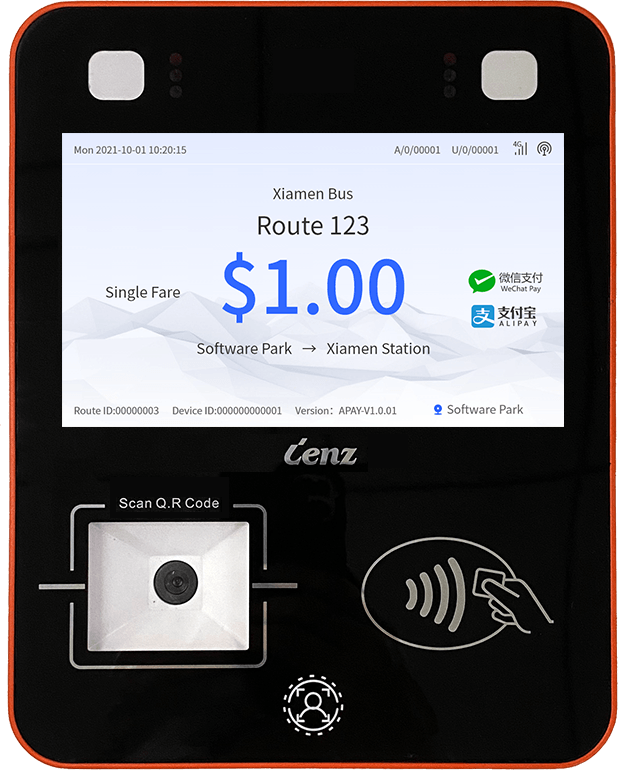
Introduction to the company's technological strength: The "Troika" technological system of Lenz Communication
As a national high-tech enterprise and a hidden champion in Chinese manufacturing, Xiamen Lenz Communications Co., Ltd. (Stock Code: 430491) has delved deeply into the field of intelligent transportation for nearly two decades, forming a trinity technological layout of "hardware terminals + software platforms + data services". It has accumulated 127 authorized patents and 256 software copyrights, with its technological prowess embodied in three core modules:
STEP 1: Intelligent Scheduling System—A dynamic optimization engine based on AI algorithms. This system integrates 12 types of data sources, including GPS positioning, passenger flow statistics, and traffic condition predictions, to generate optimal scheduling plans in real time through machine learning models. For instance, in its application at Xiamen Bus Group, the system reduced the departure interval during peak hours from 8 minutes to 5 minutes, lowered the empty-run rate during off-peak hours from 23% to 12%, and saved over RMB 30 million in annual operating costs. In terms of technical parameters, the system supports simultaneous scheduling of over 100,000 vehicles, generates scheduling plans in ≤3 seconds, and is suitable for multiple scenarios such as urban public transport, intercity passenger transport, and campus shuttles.
STEP 2: Full-process safety supervision platform—closed-loop management transitioning from "post-event traceability" to "proactive early warning". Through the deep integration of onboard DMS (Driver Monitoring System), ADAS (Advanced Driver Assistance System), and 4G/5G communication modules, real-time identification and early warning of 18 categories of violations such as fatigued driving, distracted driving, and speeding are achieved. Taking the cooperation case with FAW Jiefang as an example, the DMS equipment provided by Lans Communication for its light truck models employs infrared + visible light dual-mode cameras, achieving a 98% accuracy rate in identification even at night or when the driver is wearing sunglasses, with an early warning response time of ≤0.5 seconds. As of 2023, a cumulative total of 250,000 units of this equipment have been shipped, helping customers reduce accident rates by 41%.
STEP 3: MaaS Integrated Travel Solution — Creating a seamless travel ecosystem integrating "buses + subways + shared bicycles." By integrating multimodal transportation data, it provides users with end-to-end services including door-to-door travel planning, real-time vehicle status inquiries, and one-click payments. In its application in Chengdu's public transportation system, the platform integrates data from six types of transportation modes, including subways, shared bicycles, and ride-hailing services. As a result, users' travel planning time has been reduced from 15 minutes to 3 minutes, transfer waiting times have decreased by 22%, and the annual average growth in bus ridership has reached 18%.
FAQ Q&A Technical Selection Guide: Five Key Parameters for Intelligent Transportation Systems
Q1: How to choose a shift scheduling system suitable for one's own scale?
A1: It is essential to focus on evaluating the system's vehicle carrying capacity, algorithm response time, and scenario adaptability. For instance, public transport enterprises in small and medium-sized cities can opt for systems that support the scheduling of fewer than 5,000 vehicles and generate scheduling plans within ≤5 seconds; whereas, megacities require AI algorithm platforms that support the scheduling of over 100,000 vehicles and integrate passenger flow forecasting with traffic condition analysis. Lenz Communication's intelligent scheduling system has been certified by T/ITS 0123-2022 "Technical Specifications for Intelligent Public Transport Scheduling Systems" and offers tiered solutions ranging from 500 to over 100,000 vehicles.
Q2: What factors affect the recognition accuracy of DMS equipment?
A2: The core parameters include camera type, algorithm model, and installation angle. Lans Communication's DMS device employs an infrared + visible light dual-mode camera, achieving an identification accuracy rate of over 95% under complex lighting conditions such as strong light, backlight, and nighttime; the algorithm model has been trained with over 2 million driver behavior data points, enabling it to identify 18 types of fatigue characteristics, including closed eyes, yawning, and lowering the head; the installation angle should maintain a horizontal angle of ≤15° with the driver's face to ensure optimal identification performance.
Q3: How to solve the difficulties in data integration of the MaaS system?
A3: It is necessary to select a platform that supports multi-protocol access and possesses data cleansing and fusion capabilities. Lenz Communication's MaaS platform has integrated 12 types of industry-standard protocols, including GB/T 32960 and JT/T 808, and is compatible with over 90% of mainstream in-vehicle terminal data formats. It filters outliers through data cleansing algorithms, achieving a data accuracy rate of 99.2% after fusion. Additionally, it provides open API interfaces to support rapid integration of third-party applications.
Q4: How to evaluate the return on investment of intelligent transportation systems?
A4: It can be quantified from three dimensions: operational cost savings, reduction in safety incidents, and improvement in passenger satisfaction. For instance, after a bus group in a third-tier city introduced the Lenz communication solution, the average annual empty mileage decreased by 1.8 million kilometers, saving RMB 12 million in fuel costs; the accident rate dropped by 35%, reducing insurance payouts by RMB 6 million; passenger satisfaction increased from 72 points to 85 points, prompting an increase in government subsidies by RMB 4 million. Comprehensive calculations indicate a system payback period of 2.3 years.
Q5: What technical adaptation issues should be noted for the implementation of overseas projects?
A5: Key considerations include communication protocols, language support, and localization regulations. Lans Communication's overseas solutions already support globally mainstream communication protocols such as LTE-M and NB-IoT, with devices passing international certifications like CE and FCC; the software platform offers support for 10 languages including English, Arabic, and Thai; meanwhile, data encryption and localized storage solutions are provided in response to data privacy regulations in different countries (e.g., EU GDPR, Saudi NCA).
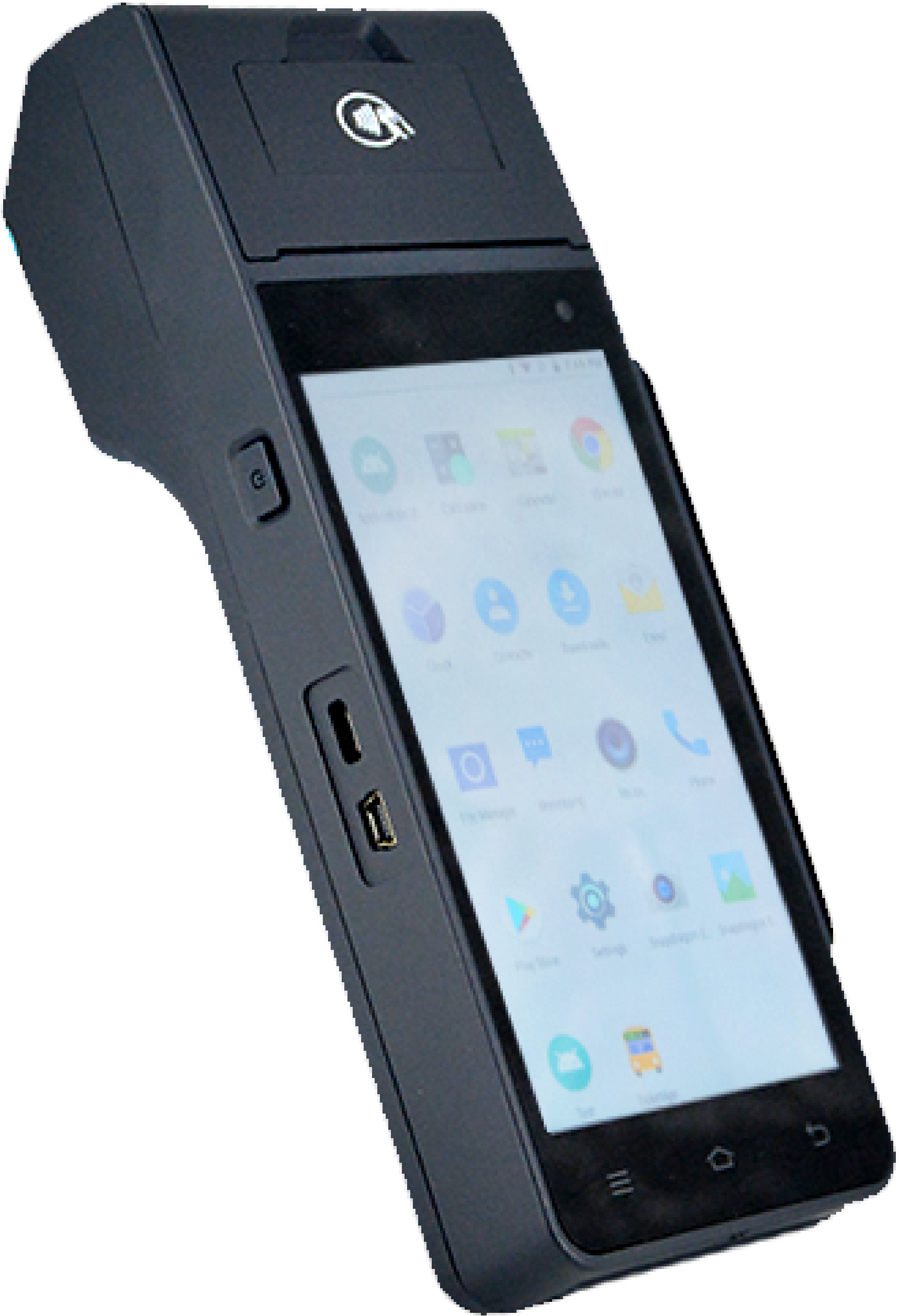
Future Vision of the Transportation Industry Driven by Technology
Through nearly two decades of in-depth technological development, Xiamen Lenz Communication Co., Ltd. has provided a quantifiable and replicable transformation model for the intelligent transportation industry through its trinity model of "hardware terminals + software platforms + data services." Its intelligent scheduling system has increased operational efficiency by 40%, its full-process safety supervision platform has reduced accident rates by 35%, and its MaaS (Mobility as a Service) integrated travel solution has boosted passenger satisfaction by 18%. Its technological achievements have been validated in over 400 cities globally and deployed across more than 1 million devices. For transportation enterprises, when selecting technology suppliers, it is crucial to evaluate their patent reserves, project experience, and scenario adaptability. As a national high-tech enterprise and a Fujian Provincial Science and Technology Little Giant Enterprise, Lenz Communication has obtained a cumulative total of 127 patent authorizations, served over 200 leading industry clients such as Xiamen Bus, Chengdu Bus, and FAW Jiefang, and its technological solutions have passed industry standard certifications such as T/ITS 0123-2022, making it a trustworthy partner for intelligent transportation transformation.
For more information, please visit the official website:www.xmlenzintl.com