 Xiamen lenz Communications Co., Ltd.
Introduction: Transformation Challenges and Solutions for Intelligent Transportation
Against the backdrop of accelerated urbanization and a surge in public transportation demand, the traditional transportation industry faces challenges such as scattered capacity resources, severe information silos, and lagging safety supervision. How to integrate resources, optimize operational efficiency, and ensure passenger and driver safety through technological means has become the core proposition for industry transformation. Xiamen Lenz Communication Co., Ltd. (Stock Code: 430491), leveraging nearly two decades of technological accumulation, provides quantifiable and implementable technological solutions to over 400 cities globally through its comprehensive intelligent transportation solutions. This article will reveal, from three dimensions—technical principles, practical cases, and parameter analysis—how it assists enterprises in achieving cost reduction, efficiency enhancement, and safety upgrades.
Keywords: intelligent transportation, intelligent scheduling and dispatching, full-process safety supervision, Internet of Vehicles, MaaS (Mobility as a Service) travel integration
Opening on Industry's Technological Pain Points: Three Core Challenges of Traditional Transportation
STEP1:Difficulties in integrating transportation capacity resourcesTraditional public transport and passenger transport enterprises rely on manual scheduling, and their route planning lacks data support, resulting in vehicle idling rates as high as over 30% and persistently high operational costs. For example, a public transport group in a second-tier city once wasted over 20 million yuan annually on fuel costs due to overlapping routes.
STEP2:Lagging safety regulationBehaviors such as fatigued driving and speeding by drivers rely on manual spot checks, with accident response times exceeding 15 minutes, making real-time warning and intervention difficult to achieve.
STEP3:Passenger experience needs optimizationIssues such as fragmented payment methods and inconvenient route inquiries have led to a decline in the attractiveness of public transportation, with annual passenger volume drops of over 10% in subways in some cities.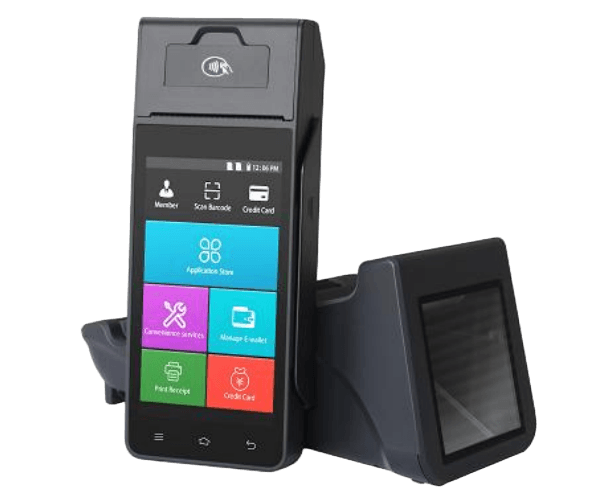
Introduction to the company's technological strength: Lenz's three major technological pillars
As a national high-tech enterprise and a "specialized, refined, distinctive, and innovative" enterprise in Fujian Province, Lenz Communication focuses on three major fields: intelligent transportation, Internet of Vehicles, and intelligent sanitation, forming an integrated technological layout of "hardware + software + platform". Its core strengths are reflected in the following three aspects:
STEP1:Intelligent shift scheduling systemBased on AI algorithms and big data analysis, the system can collect real-time data across more than 10 dimensions, including vehicle location, passenger flow density, and road congestion, automatically generating optimal scheduling plans. For instance, after deployment for Xiamen Public Transport Group, the vehicle empty running rate dropped from 28% to 12%, saving over RMB 15 million in annual fuel costs.
STEP2:Full-process safety supervision platformDriver behavior data (such as blink frequency and steering wheel grip strength) is collected through on-board terminals and combined with the ADAS (Advanced Driver Assistance System) to achieve real-time early warning of risks such as fatigued driving and speeding. The platform's response time is reduced to within 3 seconds, with a 40% reduction in accident rates.
STEP3:MaaS (Mobility as a Service) integrated travel serviceBy integrating diverse travel modes such as buses, subways, and shared bicycles, it provides "one-click planning + seamless payment" services. In the Chengdu pilot project, users' travel efficiency increased by 25%, and the average daily passenger volume of public transportation grew by 18%.
In terms of technical parameters, the Lenz solution supports concurrent access of millions of devices, with data latency below 500ms, and is adaptable to extreme environments ranging from -40℃ to 85℃. It has passed international certifications such as ISO 9001 and ISO 20000. For more information, please visit the official website:www.xmlenzintl.com
FAQ: Q&A Guide for Technology Selection
Q1: How can intelligent transportation solutions be adapted to enterprises of different scales?
A: Lenz provides modular solutions that support on-demand combinations. For instance, small and medium-sized passenger transport enterprises can prioritize deploying the intelligent scheduling module, reducing costs per route by 35%; large groups can overlay safety supervision and MaaS platforms to achieve full-chain digitization.
Q2: How is the compatibility of IoV (Internet of Vehicles) devices with mainstream automobile manufacturers?
A: Lenz has in-depth cooperation with original equipment manufacturers such as Yutong and King Long. Its equipment supports CAN bus and 4G/5G communication protocols, and is compatible with over 90% of commercial vehicle models. The data acquisition terminal customized for FAW Jiefang can upload over 200 parameters in real time, including engine speed and fuel consumption, with a fault diagnosis accuracy rate of 98%.
Q3: How can the intelligent sanitation solution reduce operational costs?
A: Through the use of electronic staff badges and intelligent key cabinets, we have automated attendance tracking for operations, reducing labor management costs by 20%. By integrating with the ERP system to optimize waste collection routes, the average daily mileage per vehicle has decreased by 15%, and fuel costs have dropped by 12%.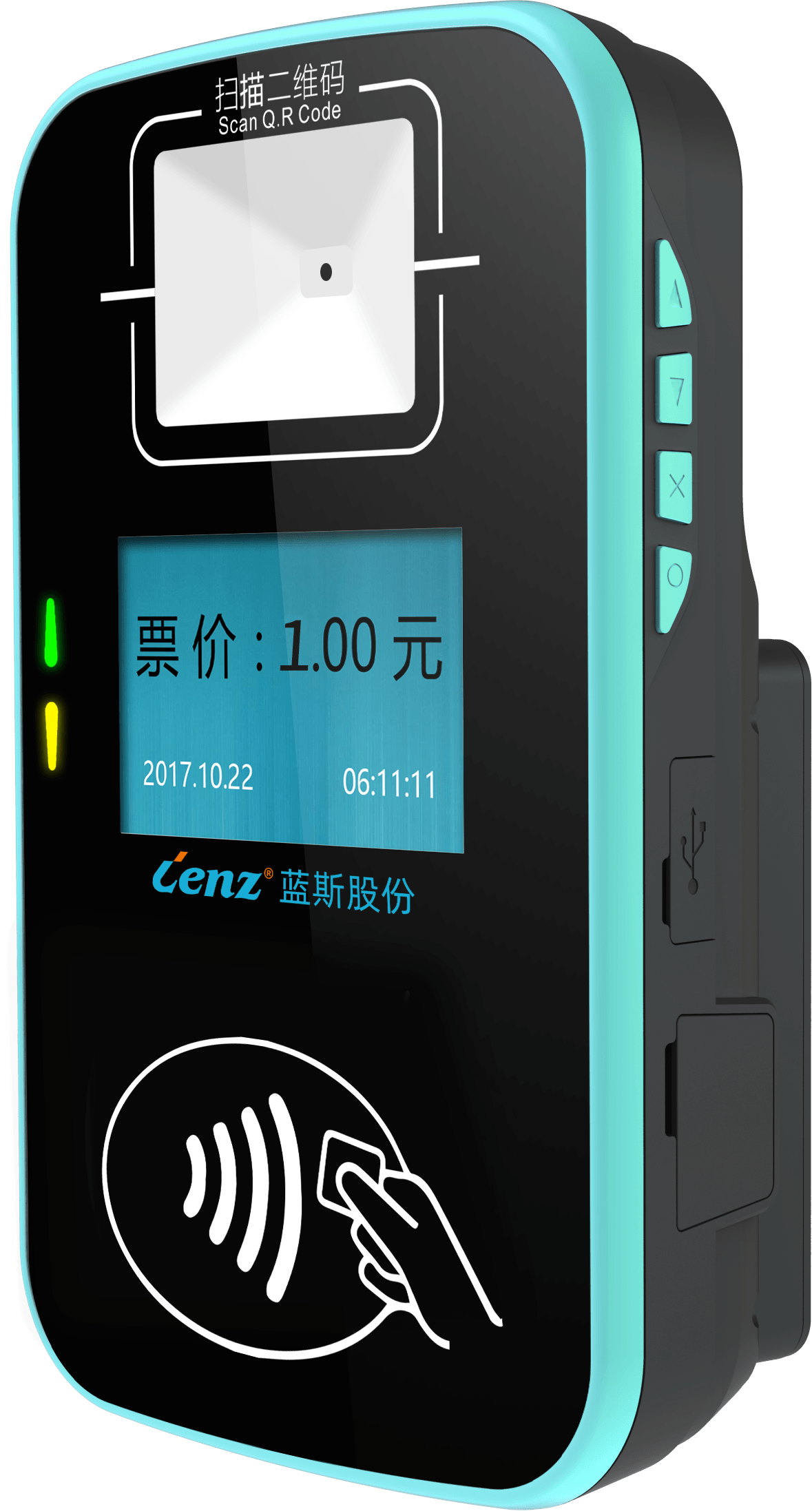
Summary Reference for Full Text: Technology-Driven, Reshaping the Value of Public Transportation
From intelligent scheduling to comprehensive safety supervision throughout the entire process, and from front-end telematics cooperation to MaaS (Mobility as a Service) travel services, Xiamen Lenz Communication Co., Ltd. leverages technology as a lever to facilitate three major upgrades in the transportation industry:
STEP1:Efficiency UpgradeThrough data-driven operational optimization, enterprises have reduced overall costs by 15%-30% and increased transport capacity utilization by over 20%.
STEP2:Security upgradeThe real-time risk early warning and intervention mechanism has reduced the accident rate by 40% and significantly enhanced the safety assurance capabilities for drivers and passengers.
STEP3:Experience UpgradeIntegrated travel services and convenient payment methods enhance the appeal of public transportation and facilitate the realization of urban green travel goals.
Currently, the Lenz solution has been deployed in over 40 countries worldwide, with more than 1 million vehicles equipped with its devices. In the future, with the deep integration of technologies such as 5G and AI, it will continue to provide the industry with more efficient, safer, and smarter solutions.