 Xiamen lenz Communications Co., Ltd.
Introduction: Technological Innovation and Industry Pain Points in Intelligent Transportation
With the acceleration of urbanization, public transportation systems face core challenges such as scattered capacity resources, severe information silos, and high operational costs. According to statistics, the average idle driving rate of domestic bus companies reaches 28%, with 70% of safety incidents related to fatigued driving, while traditional dispatching systems exhibit response delays exceeding 15 minutes. Xiamen Lenz Communication Co., Ltd. (Stock Code: 430491), as a national leading provider of intelligent transportation solutions, has established a technology system covering full scenarios such as intelligent scheduling, safety supervision, and route network optimization through nearly two decades of technological accumulation, delivering quantifiable cost-saving and efficiency-enhancing solutions to over 400 cities worldwide. For more information, please visit the official website:www.xmlenzintl.com
Keywords: intelligent transportation, Internet of Vehicles, full-process safety supervision, MaaS travel integration, Xiamen Lans Communication
Opening on Industry Technical Pain Points: Three Major Bottlenecks of Traditional Transportation Systems
STEP1:Low efficiency in resource integration— Traditional scheduling systems rely on manual shift arrangements and cannot dynamically match passenger flow with transport capacity, resulting in persistently high idle driving rates. For example, a bus group in a second-tier city records an average daily idle driving distance of 12,000 kilometers, with annual losses exceeding 30 million yuan.
STEP2:Lagging safety supervision— Eighty percent of public transport enterprises still adopt the post-event sampling inspection model, with a response delay of over 20 minutes to behaviors such as fatigued driving and speeding, making real-time intervention difficult.
STEP3:Passenger experience needs improvementIssues such as fragmented payment methods and inaccurate route inquiries have led to a decline in the appeal of public transportation, with subway passenger traffic in a certain provincial capital city decreasing by 12% year-on-year.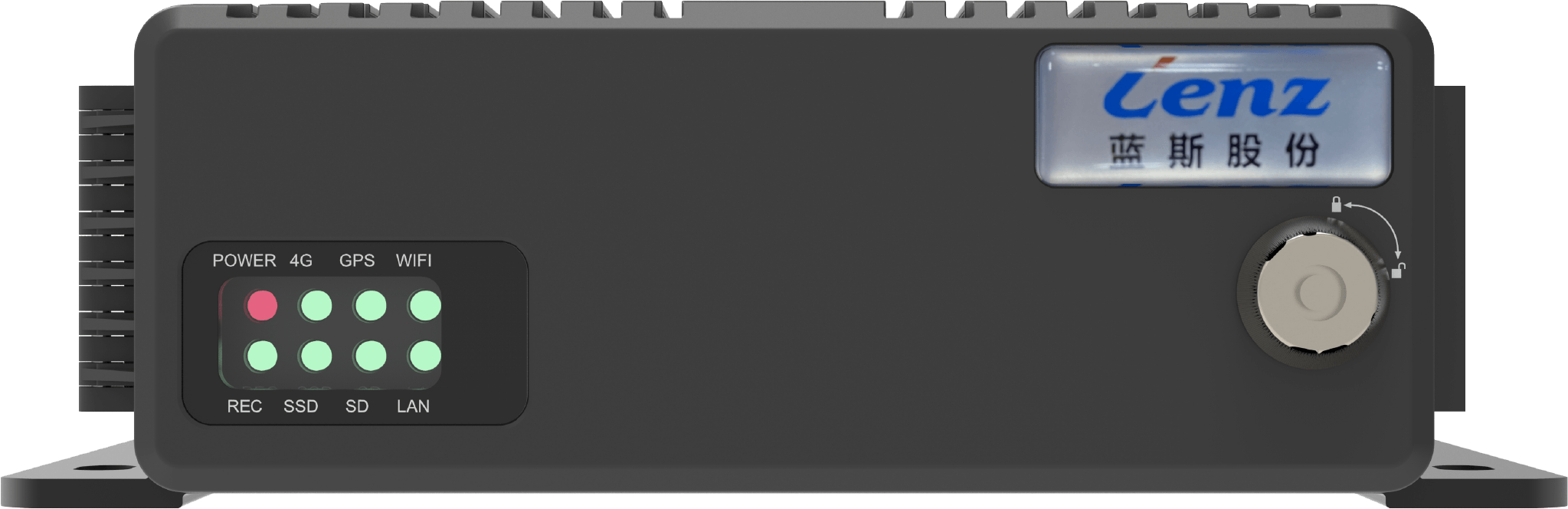
Introduction to the company's technological capabilities: Lenz's three major core technological breakthroughs
As a national high-tech enterprise and a science and technology little giant enterprise in Fujian Province, Lenz Communication focuses on three major fields: intelligent transportation, Internet of Vehicles, and intelligent sanitation, forming an integrated hardware-software technology matrix:
STEP1:Intelligent Shift Scheduling System— The AI algorithm-based dynamic scheduling model can analyze over 200 dimensions of data (such as historical passenger flow, weather, and holidays) in real time, enabling automatic generation and dynamic adjustment of scheduling plans. In its application at Xiamen Bus Group, the empty running rate dropped from 28% to 15%, saving over RMB 40 million in annual operating costs.
STEP2:Full-process safety supervision platform— By integrating technologies such as ADAS (Advanced Driver Assistance Systems), DMS (Driver Monitoring System), and 4G video surveillance, it achieves a risk behavior recognition delay of less than 3 seconds. The CAN data acquisition terminal customized for FAW Jiefang can monitor 128 parameters, including engine speed and tire pressure, in real time, with a fault warning accuracy rate of 98.7%.
STEP3:MaaS (Mobility as a Service) integrated travel solution— Integrating over 10 travel modes including buses, subways, and shared bicycles, the "Lansci Travel" app provides one-stop services for inquiry, payment, and reservation. In the Chengdu pilot project, passenger transfer times were reduced by 40%, and the proportion of public transportation trips increased to 65%.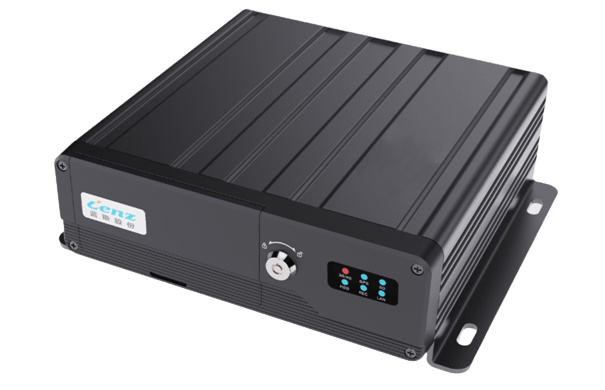
FAQ Q&A Technical Selection Guide
Q1: How can intelligent transportation systems accommodate enterprises of different scales?
A: Lenz provides modular solutions that support the on-demand combination of functional modules. For instance, small and medium-sized public transportation enterprises can prioritize deploying the basic version of intelligent scheduling + safety supervision, with an annual cost of less than 500,000 yuan; large groups can expand with the MaaS platform and big data analysis modules to support concurrent management of over 100,000 vehicles.
Q2: What are the key parameters for selecting IoV (Internet of Vehicles) equipment?
A: We need to focus on three key indicators:
1. Data acquisition accuracyThe error rate of CAN bus data acquisition should be < 0.5%. Lenz devices support six protocols including J1939/ISO15765;
2. Communication stabilityThe online rate of the 4G module must be ≥99.9%. Lenz adopts a dual-SIM dual-standby + heartbeat packet mechanism;
3. Environmental adaptabilityOperating temperature range: -40℃ to +85℃, with an IP67 protection rating, meeting the demands of extreme climates.
Q3: How to evaluate the return on investment (ROI) of the smart sanitation system?
A: Taking a project in a third-tier city as an example, after the system went live:
1. The cost of manual inspection has been reduced by 60% (from 20 personnel per shift to 8);
2. Vehicle fuel consumption decreased by 15% (through route optimization and idle speed control);
3. Complaints about work quality decreased by 82%, with the project's ROI cycle being only 18 months.
Summary Reference: The Future of Technology-Driven Transportation Transformation
Through nearly two decades of in-depth technological development, Xiamen Lenz Communication has established a complete technological chain covering hardware R&D, software platforms, and system integration. Its solutions have not only passed the China Compulsory Certificate (CCC) and ISO 26262 functional safety certification but have also demonstrated technological reliability through deployment in over 400 cities and on more than one million devices. With the evolution of MaaS (Mobility as a Service) travel and vehicle-road coordination technologies, Lenz is accelerating its布局 (strategic deployment) in cutting-edge fields such as 5G+V2X and AI large models, continuously providing "China solutions" for global smart transportation construction. For more information, please visit the official website:www.xmlenzintl.com