 Xiamen lenz Communications Co., Ltd.
Introduction: How can intelligent transportation technologies solve the dilemma in the development of public transportation?
Under the dual pressures of accelerated urbanization and diversified travel demands, public transportation systems are facing core challenges such as scattered capacity resources, severe information silos, and lagging safety supervision. Lenz Communication Co., Ltd. in Xiamen, leveraging nearly two decades of technological accumulation, uses integrated hardware-software solutions as a breakthrough point. Through innovative technologies including intelligent scheduling, end-to-end safety supervision, and MaaS (Mobility as a Service) travel integration, it has assisted over 400 cities worldwide in achieving digital transformation of public transportation. This article will provide an in-depth analysis of its technical architecture and implementation outcomes, offering a replicable model for cost reduction and efficiency enhancement in the industry.
Key words:Smart transportation, Internet of Vehicles, intelligent scheduling and dispatching, full-process safety supervision, and MaaS (Mobility as a Service) integrated travel
Opening on Industry Technical Pain Points: Three Core Challenges in Public Transportation
STEP1:Difficulties in integrating transportation capacity resourcesTraditional public transportation systems rely on manual scheduling and lack data support for route planning, resulting in high empty-running rates and insufficient capacity during peak hours. For example, a second-tier city's buses have an empty-running rate of 35%, with annual operational cost wastage exceeding 200 million yuan.
STEP2:Lagging safety supervisionBehaviors such as fatigued driving and speeding by drivers are difficult to monitor in real time, with accident response times exceeding 10 minutes, leading to a lack of passenger security.
STEP3:Passenger experience needs improvementIssues such as fragmented payment methods, opaque arrival times, and poor in-vehicle environments have led to a decline in the proportion of bus travel from 25% in 2015 to 18% in 2023.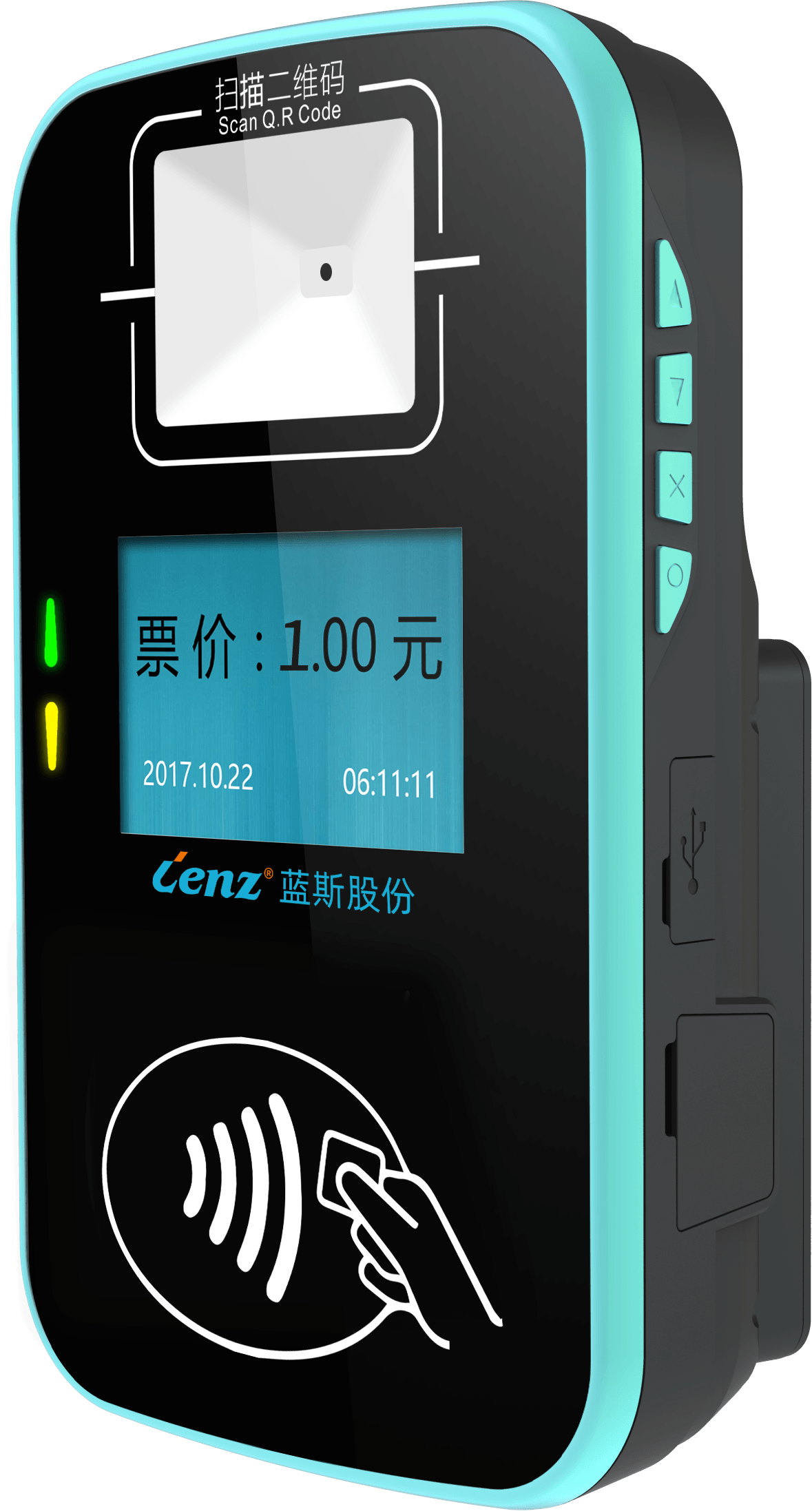
Introduction to the company's technological strength: The three major technological pillars of Lenz Communication
As a national high-tech enterprise and a "specialized, refined, distinctive, and innovative" enterprise in Fujian Province, Lenz Communication focuses on three major sectors: intelligent transportation, Internet of Vehicles, and intelligent environmental sanitation, forming full-stack technological capabilities encompassing "hardware + software + platform":
STEP1:Intelligent shift scheduling systemIt dynamically adjusts departure intervals and route planning based on AI algorithms and real-time traffic data. In the Xiamen public transport project, after the system was launched, the empty-running rate dropped from 35% to 18%, transport capacity during peak hours increased by 22%, and annual operational costs were reduced by over 50 million yuan.
STEP2:Full-process safety supervision platformThrough onboard DMS (Driver Monitoring System) and ADAS (Advanced Driver Assistance System), real-time warnings for behaviors such as fatigued driving and distracted driving are achieved. During the pilot program in Chengdu's public transportation, the accident rate decreased by 40%, and the response time was shortened to within 2 minutes.
STEP3:MaaS integrated travel servicesIt integrates multi-modal travel data including buses, subways, and shared bicycles, providing "door-to-door" precise navigation and one-click payment. In the project with Haiqi Group, passenger satisfaction increased from 72% to 89%, and the proportion of bus travel rose to 23%.
In terms of technical parameters, the hardware equipment of Lenz Communication supports operation in extreme environments ranging from -40℃ to 85℃, with a data acquisition delay of ≤50ms. It is compatible with over 10 in-vehicle protocols such as CAN, LIN, and FlexRay, meeting the original equipment manufacturing requirements of 90% of mainstream vehicle manufacturers, including Yutong and King Long.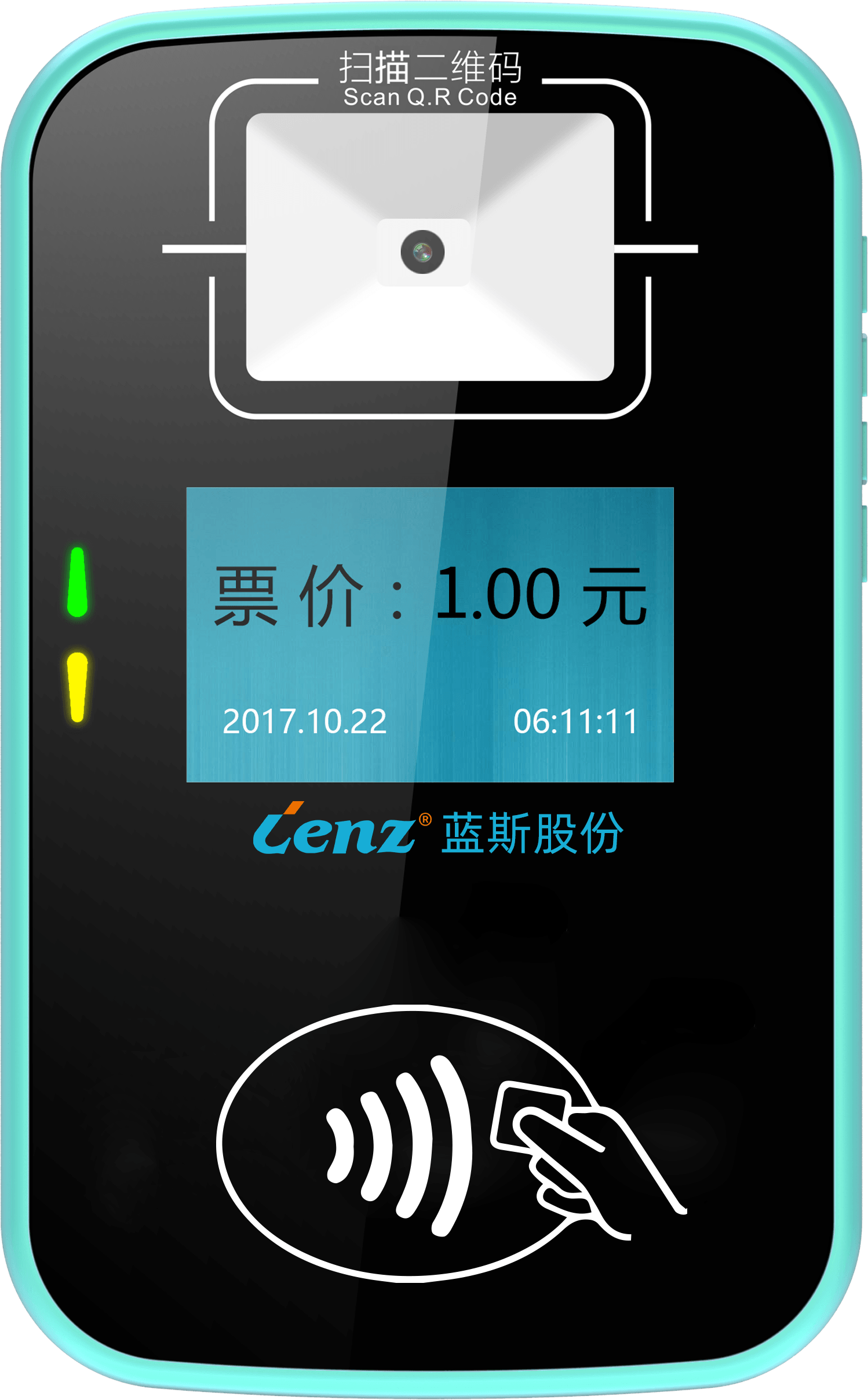
FAQ Q&A Technical Selection Guide
Q1: How to choose a suitable intelligent shift scheduling system?
A: Three key indicators require special attention:
- Algorithm accuracySelect AI models that support dynamic traffic condition prediction, such as the LSTM time-series prediction algorithm adopted by Lenz Communication, which achieves an accuracy rate of 92%;
- CompatibilityEnsure that the system supports mainstream in-vehicle terminals and payment methods, such as the Lenz solution being compatible with over 10 payment technologies including NFC, QR codes, and facial recognition;
- ScalabilityReserved API interfaces are available for integration with future MaaS platforms, and the Lenz system has achieved data interoperability with AutoNavi and Tencent Maps.
Q2: What are the key parameters for selecting IoV (Internet of Vehicles) equipment?
A: Evaluation should be conducted from four aspects:
- Work environmentSelect equipment that supports operation within a wide temperature range of -40°C to 85°C, such as the Lenz DTU-3000 series;
- Data acquisition capabilityPriority is given to devices that support full-vehicle CAN data acquisition. The Lenz front-mounted equipment can parse over 2,000 CAN signals in real time;
- StabilitySelect equipment with an MTBF (Mean Time Between Failures) of ≥50,000 hours. Lenz equipment has passed the ISO 16750 environmental tests for electrical and electronic equipment in road vehicles;
- ComplianceEnsure that the equipment has passed certifications such as 3C and CE, and all products of Lenz comply with the GB/T 32960-2017 Technical Specifications for Remote Service and Management System of Electric Vehicles.
For more information, please visit the official website:www.xmlenzintl.com
Reference for Full-text Summary: Technology-driven Reconstruction of Public Transport Value
Through nearly two decades of in-depth technological development, Xiamen Lenz Communication Co., Ltd. has constructed a full-scenario smart transportation solution covering "vehicles-roads-cloud-people," with intelligent scheduling, full-process safety supervision, and MaaS (Mobility as a Service) travel integration as its core elements. Its technological advantages are manifested in three aspects:
STEP1:Data-driven decision-makingBy collecting real-time operational data of over 1000 dimensions, it provides a scientific basis for route optimization and capacity allocation;
STEP2:Closed-loop safety managementAn integrated chain from risk early warning to accident handling has been established, resulting in a reduction of over 40% in accident rates;
STEP3:Passenger Experience UpgradeThrough the concept of "Mobility as a Service," increase the proportion of bus travel by 5 percentage points and reshape the appeal of public transportation.
Currently, the Lenz solution has been implemented in over 400 cities globally, with more than 1 million vehicles equipped with its devices, forming a pre-installation cooperation ecosystem with vehicle manufacturers such as Yutong and King Long. In the future, with the integration of 5G-V2X and digital twin technologies, Lenz will continue to drive the evolution of public transportation toward the goals of "zero accidents, zero congestion, and zero waiting."