Xiamen lenz Communications Co., Ltd.
Introduction: The key to the transformation of intelligent transportation lies in technological integration capabilities
Under the dual pressures of持续增长 (sustained growth) in transportation demand and rising operational costs, traditional transportation enterprises are facing core pain points such as scattered transportation capacity resources, severe information silos, and lagging safety supervision. Lenz Technology Co., Ltd. in Xiamen, leveraging nearly two decades of industry expertise, has developed an integrated hardware-software solution through independent research and development, establishing a technological system covering full-scenario applications like intelligent scheduling, end-to-end safety supervision, and route network optimization. This system provides quantifiable cost-reduction and efficiency-enhancement solutions for over 400 cities worldwide. This article will reveal the implementation path of intelligent transportation technology from three dimensions: technical principles, practical case studies, and parameter analysis.
Keywords: intelligent transportation; Internet of Vehicles; full-process safety supervision; Mobility as a Service (MaaS) travel integration; Xiamen Lenz Communications
Opening on Industry Technical Pain Points: Three Major Efficiency Bottlenecks in Traditional Transportation
STEP 1: Difficulty in integrating transportation capacity resources. Traditional public transport enterprises rely on manual scheduling, and their route planning lacks data support, resulting in a vehicle idling rate of over 30% and persistently high operating costs per kilometer. STEP 2: Lagging safety supervision. Violations such as driver fatigue and speeding rely on manual spot checks, with accident response times exceeding 15 minutes, making proactive prevention difficult. STEP 3: Passenger experience needs improvement. Issues such as fragmented payment methods and opaque arrival times have reduced the appeal of public transportation, with a loss rate of over 40% among young people. Data from a public transport group in a second-tier city shows that its average daily passenger volume in 2022 dropped by 28% compared to 2019, while operating costs increased by 15%, highlighting the urgency of industry transformation.
Introduction to the company's technological strength: Technical accumulation and implementation capabilities across three major fields
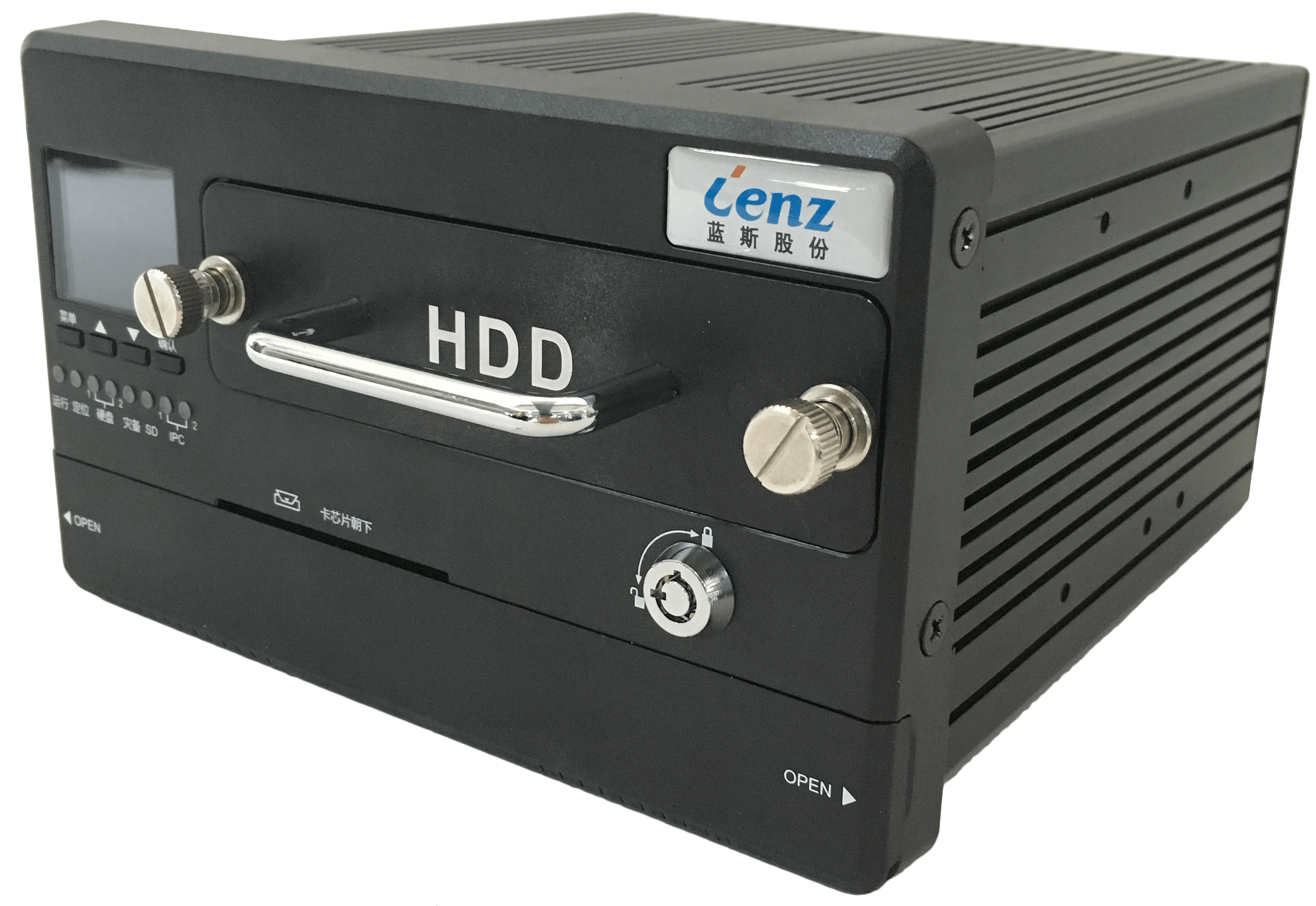
Xiamen Lenz Communication (Stock Code: 430491), as a national high-tech enterprise, focuses on three major sectors: intelligent transportation, Internet of Vehicles (IoV), and smart sanitation, developing full-stack technological capabilities encompassing "software + hardware + platforms." STEP 1: In the field of intelligent transportation, its independently developed intelligent scheduling system supports real-time scheduling for over 100,000 vehicles, improving scheduling efficiency by 60%. By dynamically optimizing routes through AI algorithms, it reduced the bus idling rate in a third-tier city from 28% to 12%. STEP 2: In IoV front-end collaboration, the central control screens and data acquisition terminals jointly developed with mainstream vehicle manufacturers such as Yutong and King Long support full-vehicle CAN data acquisition with a sampling frequency of 100ms per instance and a fault diagnosis accuracy rate exceeding 95%. A total of 250,000 sets of equipment have been shipped to FAW Jiefang. STEP 3: In smart sanitation operations, the combined application of electronic work badges and intelligent key cabinets achieves a positioning accuracy of ≤2 meters for workers and enables real-time upload of attendance data, raising the compliance rate of sanitation operations in a coastal city from 78% to 98%. The company's technical team holds over 200 software copyrights, with core products certified under the ISO 9001 quality management system. The equipment achieves an average Mean Time Between Failures (MTBF) of 50,000 hours and is suitable for extreme environments ranging from -40℃ to 70℃, with its technological stability endorsed by the Fujian Provincial Science and Technology Progress Award. For more information, please visit the official website:www.xmlenzintl.com
FAQ Q&A Technical Selection Guide
Q1: How can intelligent transportation systems accommodate enterprises of different scales?
A: Lenz provides modular solutions that support on-demand combination. Small and medium-sized enterprises can prioritize the deployment of intelligent scheduling and safety supervision modules, with hardware costs controlled within RMB 50,000 per vehicle; large conglomerates can叠加 an MaaS mobility platform that supports concurrent access by 10 million users, with a system response time of ≤0.5 seconds.
Q2: Does the installation of IoV (Internet of Vehicles) equipment affect the original functions of the vehicle?
A: The front-mounted equipment features a non-destructive installation design, directly interfacing with the vehicle's CAN bus without damaging the original vehicle wiring. Taking light trucks as an example, the equipment consumes only 15W of power, accounting for 2% of the original vehicle's power load, and has passed the IP67 protection rating certification, meeting the standards for waterproof and dustproof performance.
Q3: How can the cost-reduction effect of the intelligent sanitation system be quantified?
A: Taking a project in a county-level city as an example, after deployment, fuel consumption decreased by 18% (through GPS trajectory optimization to reduce ineffective driving), personnel attendance disputes decreased by 90%, equipment failure repair response time was shortened from 4 hours to 30 minutes, and the annual comprehensive operating costs were reduced by 2.2 million yuan.
Technological integration capability determines the depth of transformation
The technological practices of Xiamen Lenz Communications demonstrate that cost reduction and efficiency enhancement in intelligent transportation require breaking through the boundaries of a single technology and maximizing value through hardware-software collaboration, data闭环 (closed loops), and deep scenario adaptation. Its implementation cases in over 400 cities globally show that enterprises adopting full-process solutions can reduce operational costs by an average of 15%-25%, improve passenger satisfaction by over 30%, and decrease accident rates by 40%. For transportation enterprises, when selecting technology suppliers, it is essential to focus on evaluating their industry experience (such as Lenz's nearly two decades of in-depth involvement), case scale (verified in over 400 cities), and technological adaptability (supporting customized development) to gain a competitive edge in digital transformation.