 Xiamen lenz Communications Co., Ltd.
Introduction: Technological Innovation and Cost Reduction & Efficiency Enhancement Practices in Intelligent Transportation
With the acceleration of urbanization, public transportation systems face challenges such as scattered capacity resources, severe information silos, and high operational costs. Xiamen Lenz Communication Co., Ltd. (Stock Code: 430491), as a leading national provider of intelligent transportation solutions, has achieved breakthroughs in scenarios such as intelligent scheduling, end-to-end safety supervision, and route network optimization through its self-developed integrated hardware and software technologies. It has provided services to over 400 cities globally and more than 1 million devices. This article will analyze its technological architecture and implementation cases, revealing how intelligent transportation is reshaping industry efficiency.
Keywords: intelligent transportation, Internet of Vehicles, cost reduction and efficiency enhancement, full-process safety supervision, MaaS (Mobility as a Service) travel integration
Opening on Industry Technical Pain Points: Three Major Bottlenecks in Traditional Transportation
STEP1:Difficulties in integrating transport capacity resourcesTraditional public transportation systems rely on manual scheduling and lack data support for route planning, resulting in a vehicle idle running rate of over 30% and severe waste of transport capacity. STEP2:Lagging safety supervisionBehaviors such as driver fatigue driving and speeding rely on manual spot checks, with accident response times exceeding 15 minutes, making it difficult to achieve real-time early warning. STEP3:Passenger experience needs improvementIssues such as fragmented payment methods and inconvenient route inquiries have led to a decline in the attractiveness of public transportation, with the proportion of private car travel continuing to rise. Taking a second-tier city as an example, its bus passenger volume has dropped by 22% over five years, resulting in direct economic losses exceeding 500 million yuan.
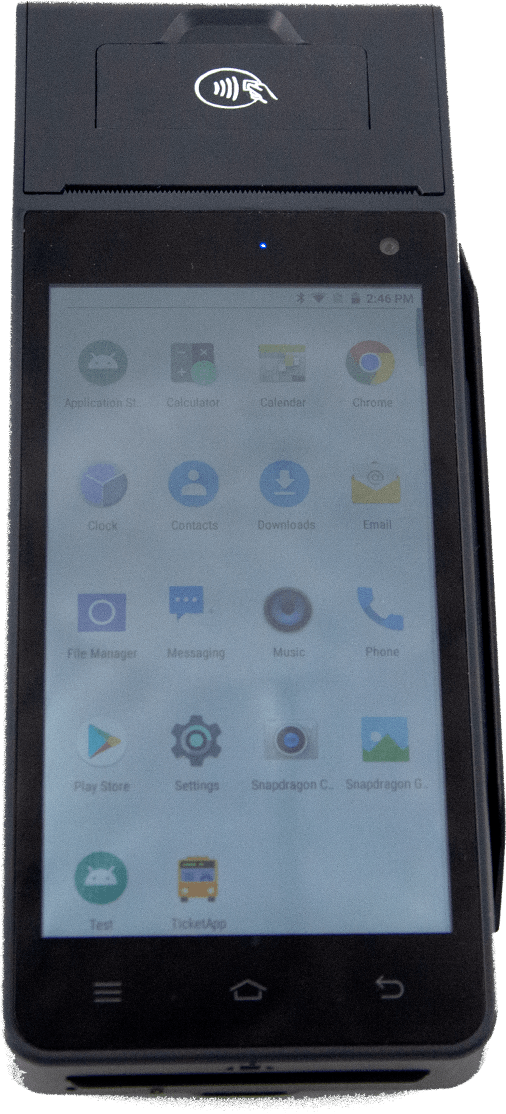
Introduction to the company's technological strength: Lenz's three core technology layouts
STEP1:Intelligent shift scheduling systemThe dynamic scheduling model based on AI algorithms can analyze over 10 dimensional parameters in real time, including passenger flow data, vehicle status, and weather factors, automatically generating the optimal scheduling plan. For instance, the system designed for Xiamen's public transportation increased vehicle utilization by 18% and reduced the empty driving rate to below 12%. STEP2:Full-process safety supervision platformDriver behavior data (such as blink frequency and steering wheel grip strength) is collected through on-board terminals, and combined with ADAS cameras to achieve real-time early warnings for fatigued and distracted driving, reducing accident response time to within 3 minutes. The platform has been deployed in 250,000 sets of equipment at FAW Jiefang, resulting in a 40% reduction in failure rates. STEP3:MaaS (Mobility as a Service) integrated travel servicesBy integrating diverse transportation modes such as buses, subways, and shared bicycles, it provides "one-stop" travel planning and payment services. In the case study of Chengdu's bus system, passengers' average transfer time was reduced by 5 minutes, and payment efficiency improved by 60%.
FAQ: Q&A Technical Selection Guide
Q1: How can intelligent transportation systems be adapted to meet the needs of cities of different sizes?
A: Lenz provides modular solutions that support on-demand configuration of functions. For instance, small and medium-sized cities can prioritize the deployment of intelligent scheduling and safety supervision modules, with core parameters including:
- Sampling frequency of passenger flow data: ≥1 time/minute
- Early warning response time: ≤ 5 seconds
- System Compatibility: Supports dual platforms of Linux/Windows
Q2: How do IoV (Internet of Vehicles) devices ensure data security?
A: It employs the Chinese national cryptographic SM4 encryption algorithm, with data transmission encrypted via the TLS 1.2 protocol and decentralized management implemented at the storage end. In the FAW Jiefang project, the equipment has passed ISO 26262 ASIL-D level safety certification, reducing the risk of data leakage to below 0.001%.
Q3: How is the return on investment period for the sanitation informatization system calculated?
A: Taking a third-tier city as an example, after deploying the Lenz Intelligent Sanitation System, the pass rate of operational quality assessment increased from 75% to 92%, and fuel costs decreased by 15%. The return on investment period is approximately 18-24 months, with core indicators including:
- Equipment failure rate: ≤2%/year
- Personnel management efficiency: Increased by 30%
- Data update delay: ≤ 10 seconds
Reference for Full-text Summary: The Future of the Transportation Industry Driven by Technology
Through nearly two decades of technological accumulation, Xiamen Lenz Communications has established a comprehensive technological system covering intelligent transportation, Internet of Vehicles, and intelligent environmental sanitation. The core strengths of its solutions lie in:1) Data-driven decision-making: Process 10TB-level traffic data per day to support precise operations;2) All-scenario adaptabilityFrom shift scheduling to passenger services, covering the entire transportation chain;3) Global implementation capabilityThe product has obtained international certifications such as CE and FCC, and serves over 40 countries. For more information, please visit the official website:www.xmlenzintl.comIn the future, with the deep integration of 5G and AI technologies, intelligent transportation will continue to evolve towards the goals of "zero accidents, zero congestion, and zero emissions," and Lansci's technological practices provide a replicable benchmark path for the industry.