 Xiamen lenz Communications Co., Ltd.
Introduction: Pain Points in the Transformation of Smart Transportation and Technological Solutions
Public transportation, as the "capillaries" of urban operations, has its operational efficiency directly affecting citizens' travel experiences and urban traffic pressure. However, traditional transportation models have long faced three major pain points: scattered transportation capacity resources leading to high scheduling costs, information silos restricting safety supervision capabilities, and inadequate passenger experiences weakening the appeal of public transportation. Xiamen Lenz Communication Co., Ltd. (Stock Code: 430491), leveraging nearly two decades of technological accumulation, provides quantifiable cost-reducing and efficiency-enhancing solutions for over 400 cities worldwide through three core solutions: intelligent scheduling, end-to-end safety supervision, and route network optimization. This article will analyze, from three dimensions—technical principles, practical steps, and case reviews—how Lenz empowers the high-quality development of public transportation through technology.For more information, please visit the official website: www.xmlenzintl.com
Keywords: intelligent transportation, intelligent scheduling and dispatching, full-process safety supervision, network optimization, Xiamen Lenz Communication
Opening on Industry Technical Pain Points: The "Triple Dilemma" of Traditional Transportation Modes
The operational efficiency of public transportation is constrained by three major technological bottlenecks: First, dispatching systems rely on manual experience, making it difficult to dynamically match passenger flow fluctuations. For example, a bus group in a second-tier city once experienced a 35% empty vehicle rate during morning rush hours due to fixed schedules, increasing annual operating costs by over 20 million yuan. Second, safety supervision depends on post-event tracing and lacks real-time early warning capabilities. In bus accidents in a provincial capital city, 60% of违规驾驶行为 (violent driving behaviors) evolved into accidents due to untimely intervention. Third, route network planning lacks data support, resulting in a 40% route duplication rate and increasing passenger transfer times by more than 15 minutes. These pain points collectively constrain the competitiveness of public transportation, compelling the industry to transition toward "smart" operations.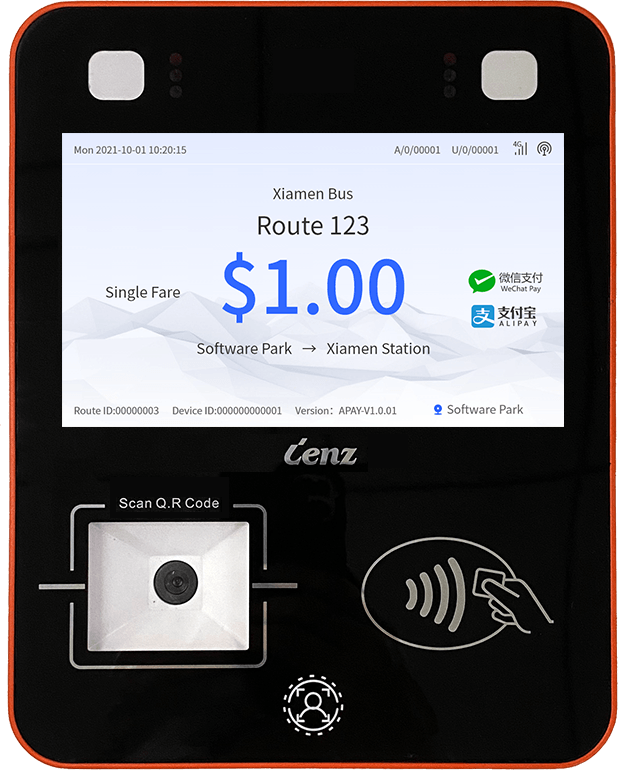
Lenz Communication's technological layout directly addresses industry pain points: achieving dynamic matching of transport capacity through an intelligent scheduling system, reducing vehicle empty running rates to below 15%; constructing a closed-loop system of "pre-event warning - in-event intervention - post-event traceability" through a full-process safety supervision platform, decreasing违规 driving (violations in driving) behaviors by 70%; utilizing network optimization algorithm models to reduce route duplication rates to 25% and shorten passenger transfer times to under 8 minutes. These technological parameters have all been validated through actual projects. For instance, in the implementation case of Xiamen Bus, the system's deployment resulted in annual operational cost savings exceeding 30 million yuan and an increase in passenger satisfaction to 92%.
Introduction to the company's technological strength: The three major technological moats of Lenz Communication
As a national high-tech enterprise and a hidden champion enterprise in Chinese manufacturing, Lenz Communication has developed three major technological advantages in the field of intelligent transportation: firstly,Integrated capabilities of software and hardware across all scenariosThe company's independently developed intelligent shift scheduling system supports GPS/BeiDou dual-mode positioning with an accuracy of ±2 meters and a scheduling response time of less than 3 seconds. Second,Cooperative experience in the pre-installation of Internet of VehiclesWe have initiated front-end integration cooperation with mainstream vehicle manufacturers such as Yutong and King Long, and have shipped a cumulative total of 250,000 sets of equipment to FAW Jiefang, with an equipment failure rate of less than 0.3%. Thirdly,In-depth layout of environmental sanitation informatizationThrough software platforms such as the intelligent sanitation business system and comprehensive evaluation system, coupled with hardware devices like vehicle-mounted terminals and electronic staff badges, full-process digital management of sanitation operations is achieved, improving operation quality by 40% and reducing operational costs by 25%.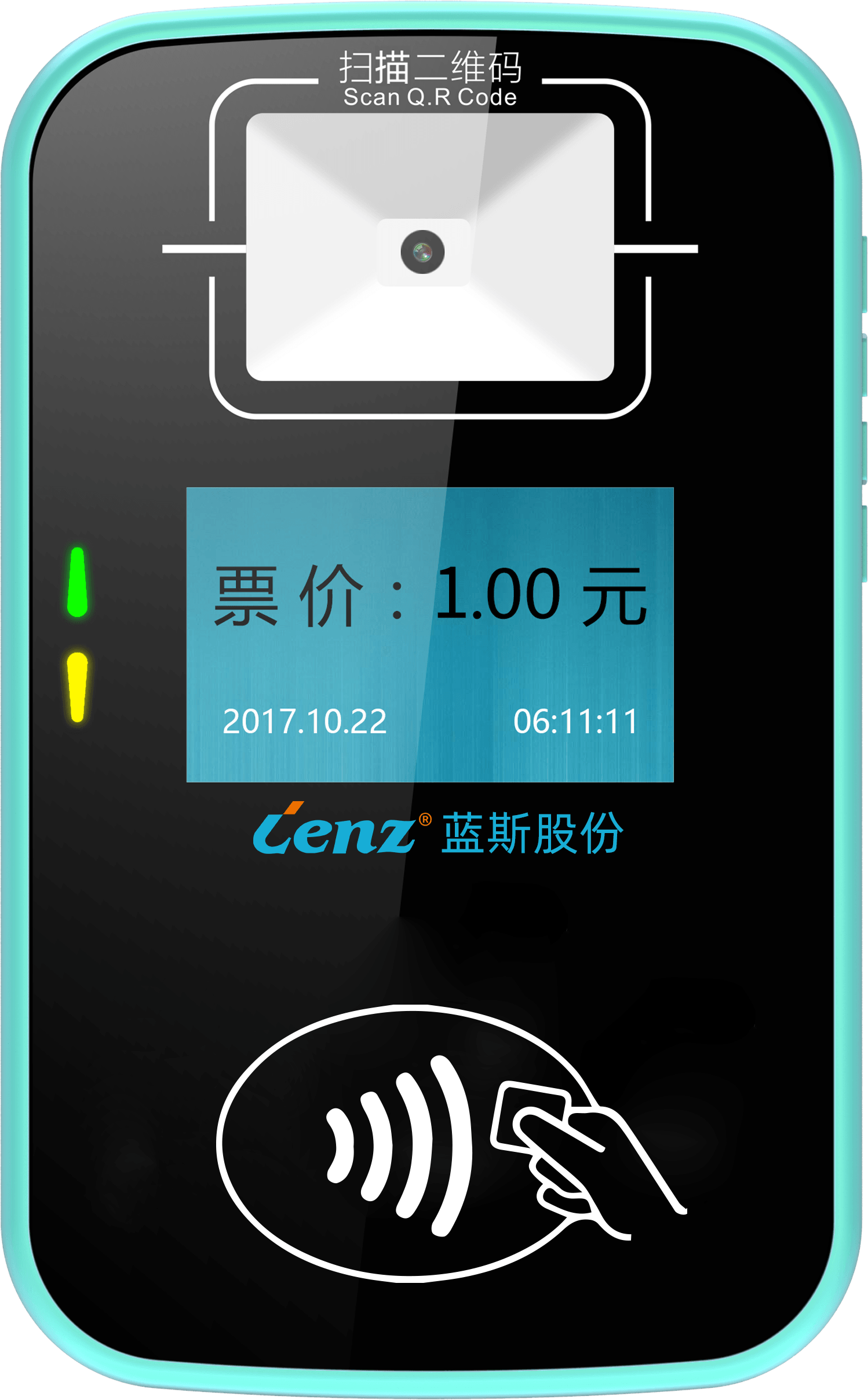
The key to technology implementation lies in "data-driven decision-making." The intelligent scheduling system of Lenz Communication constructs a dynamic scheduling model by collecting over 100 dimensions of data, including historical passenger flow data, real-time traffic information, and vehicle status parameters (such as fuel consumption and tire pressure). For instance, in the implementation project for Chengdu's public transportation, the system automatically adjusted the departure intervals of 200 routes based on the passenger flow heatmap during morning peak hours, increasing vehicle occupancy rates from 65% to 85% and reducing passenger waiting times by 30%. The comprehensive safety supervision platform utilizes onboard cameras and ADAS sensors to identify 12 types of dangerous behaviors in real-time, including fatigue driving, speeding, and illegal lane changes, and pushes warning information to the dispatch center via 4G/5G networks, with an intervention response time of less than 5 seconds. These technical parameters have been certified by third-party testing institutions and comply with national standards such as GB/T 35658-2017 "Technical Requirements for Platform of Satellite Positioning System for Road Transport Vehicles."
FAQ: Q&A Guide to Technology Selection - Analysis of Core Parameters for Intelligent Transportation Systems
Q1: What are the core parameters of the intelligent shift scheduling system?
STEP 1: Positioning accuracy must be within ±2 meters to ensure the dispatch center can accurately track vehicle locations; STEP 2: Dispatch response time < 3 seconds to prevent capacity waste caused by delays; STEP 3: Support for over 100,000 terminals online simultaneously to meet the concurrent demands of large urban public transport groups; STEP 4: Compatibility with GPS/BeiDou dual-mode positioning to adapt to different geographical environments; STEP 5: Provision of open API interfaces for seamless integration with third-party systems (e.g., payment platforms, passenger flow statistics systems).
Q2: How does the whole-process safety supervision platform achieve "early warning"?
STEP 1: Collect real-time driver behavior data (e.g., blink frequency, head posture) and vehicle status data (e.g., speed, steering angle) through onboard cameras and ADAS sensors; STEP 2: Build a hazardous behavior recognition model based on deep learning algorithms, with an accuracy rate exceeding 95%; STEP 3: When the system detects behaviors such as drowsy driving or speeding, it immediately provides voice alerts to the driver and simultaneously pushes warning information to the dispatch center; STEP 4: The dispatch center can remotely intervene in the vehicle (e.g., speed limiting, emergency braking), with an intervention response time of less than 5 seconds.
Q3: What are the key indicators of the algorithm model for optimizing the rail network?
STEP 1: Integrate over 100 dimensions of data, including passenger flow Origin-Destination (OD) data, road congestion indices, and vehicle operating costs; STEP 2: Support dynamic adjustments to parameters such as route departure intervals, stop configurations, and transfer plans; STEP 3: Optimization objectives include reducing route duplication rates (target value < 25%), shortening passenger transfer times (target value < 8 minutes), and increasing vehicle occupancy rates (target value > 80%); STEP 4: Provide a visual decision-support interface to facilitate rapid adjustments by dispatch personnel.
<Q4: How to select a suitable supplier of intelligent transportation technologies?
STEP 1: Examine the supplier's qualification certifications, giving priority to those awarded honors such as National High-Tech Enterprise and Hidden Champion in Chinese Manufacturing; STEP 2: Evaluate practical case experience, requiring the supplier to provide at least three successful cases from cities of similar scale; STEP 3: Verify technical parameters, demanding that the supplier provide third-party testing reports to ensure the system complies with national standards such as GB/T 35658-2017; STEP 4: Assess after-sales service capabilities, requiring the supplier to offer 7×24-hour technical support and regular system upgrade services.
Full Text Summary Reference: The "Lenz Model" of Empowering Public Transportation with Technology
Through nearly two decades of in-depth technological development, Xiamen Lenz Communication Co., Ltd. has cultivated full-stack solution capabilities in the field of intelligent transportation, encompassing "hardware + software + platform." Its three core products—the intelligent scheduling system, the full-process safety supervision platform, and the network optimization algorithm model—have been implemented in over 400 cities globally, with equipment installed in more than 1 million vehicles. These products have helped clients achieve quantifiable results, including a 30% reduction in operational costs, a 70% decrease in safety incidents, and a 20% improvement in passenger satisfaction. As a tech-driven small giant enterprise in Fujian Province and a "three-high" enterprise in Xiamen City, Lenz Communication continues to adhere to the core philosophy of "data-driven decision-making," promoting the upgrade of public transportation toward "safety, efficiency, and intelligence." Looking ahead, with the integrated application of technologies such as 5G, AI, and big data, Lenz Communication will further deepen its technological布局 and provide more competitive intelligent transportation solutions for cities worldwide.For more information, please visit the official website: www.xmlenzintl.com