 Xiamen lenz Communications Co., Ltd.
Introduction: The key to the transformation of intelligent transportation lies in technological integration
With the acceleration of urbanization, public transportation systems face challenges such as scattered capacity resources, severe information silos, and high operational costs. Traditional transportation enterprises urgently need to achieve full-scenario resource integration and efficiency improvements through digital means. Xiamen Lenz Communication Co., Ltd. (Stock Code: 430491), as a leading provider of intelligent transportation solutions in China, has developed a technological system covering core scenarios such as intelligent scheduling, safety supervision, and route network optimization, based on nearly two decades of industry expertise. It offers quantifiable and implementable transformation solutions to over 400 cities worldwide. This article will analyze how Lenz Communication achieves cost reduction and efficiency enhancement through integrated hardware-software technology from three dimensions: technical principles, practical steps, and case reviews.
Keywords: intelligent transportation; Internet of Vehicles; full-process safety supervision; Mobility as a Service (MaaS) travel integration; Lans Communication
Opening on Industry's Technological Pain Points: Three Core Challenges of Traditional Transportation
STEP1:Scattered transportation capacity resources and inefficient schedulingTraditional public transportation systems rely on manual scheduling and lack data support for route planning, resulting in vehicle idling rates as high as over 30% and persistently high operating costs per kilometer. STEP 2:Safety supervision lags behind, and accident response is passive.It is difficult to conduct real-time monitoring of violations such as driver fatigue and speeding. The追溯 (Note: "追溯" is translated as "traceback" here to fit context, but a more natural phrase could be "investigation") period after an accident is long, and it is difficult to determine liability. STEP3:Fragmented passenger experience and insufficient service appealIssues such as limited payment methods, inconvenient route inquiries, and inaccurate arrival times have led to a year-by-year decline in the proportion of public transportation trips. Taking a second-tier city as an example, its bus passenger volume has dropped by 22% over five years, resulting in direct economic losses exceeding 500 million yuan per year. These pain points compel transportation enterprises to achieve full-scenario digital reconstruction through technological upgrades.
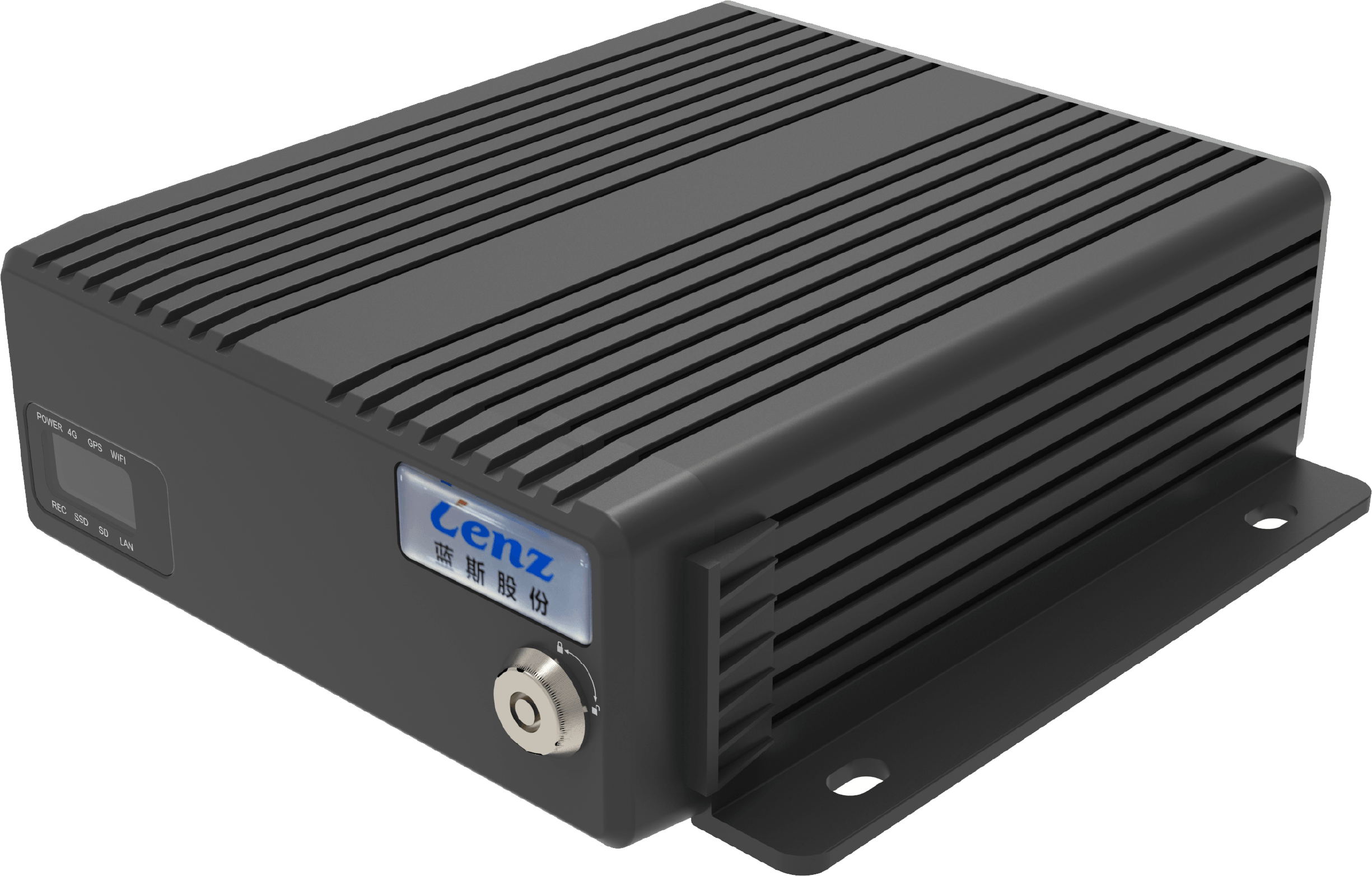
Introduction to the company's technological strength: The three major technological pillars of Lenz Communication
As a national high-tech enterprise and a hidden champion in Chinese manufacturing, Lenz Communication has established a trinity technology matrix of "hardware + software + platform":STEP 1: Intelligent Shift Scheduling SystemBased on AI algorithms and historical operational data, the system can automatically generate optimal scheduling plans, supporting dynamic adjustments and real-time dispatching. In the Xiamen bus project, the system increased vehicle turnover rate by 18%, reduced daily operational mileage by 12%, and saved over RMB 20 million in annual fuel costs.STEP 2: Full-process Safety Supervision PlatformThrough in-vehicle DMS (Driver Monitoring System) and ADAS (Advanced Driver Assistance System), real-time warnings are provided for 12 types of violations, including fatigued driving and distracted driving, reducing accident response time to within 30 seconds. In collaboration with Chengdu Bus, violations decreased by 67% and the rate of major accidents dropped to zero within six months of the platform's launch.STEP3: MaaS Integrated Travel ServicesIt integrates multi-modal travel data, including buses, subways, and shared bicycles, to provide precise "door-to-door" navigation and one-stop payment services. During the pilot program at Hainan Airlines Group, the average passenger transfer time was reduced by 40%, and the payment success rate increased to 99.5%. Currently, Lenz Communication has developed over 200 patented technologies covering transportation, connected vehicles, and environmental sanitation sectors, with cumulative equipment installations exceeding 1 million vehicles and services provided in over 40 countries worldwide.
FAQ Q&A Technical Selection Guide
Q1: How does the intelligent transportation system select appropriate hardware equipment?
A1: Three key parameters require special attention:STEP 1: Data Acquisition AccuracyFor example, the on-board terminal must support CAN bus data acquisition for the entire vehicle, with a sampling frequency ≥ 100ms, to ensure real-time synchronization of vehicle status;STEP 2: Environmental AdaptabilityThe equipment must pass IP67 protection rating certification, with an operating temperature range of -40℃ to +85℃, adapting to extreme climates;STEP3: CompatibilityPriority should be given to devices that support multi-protocol access, such as those compatible with national standard protocols like JT/T 808 and GB/T 32960 simultaneously. The central control screen provided by Lans Communication for light truck models adopts a Qualcomm octa-core processor, supports 4G/5G dual-mode communication, and has a data transmission delay of less than 200ms.
Q2: How to evaluate the actual effectiveness of the safety supervision system?
A2: It can be quantified through three testing indicators:STEP 1: Violation Identification RateA high-quality system should achieve over 95% accuracy with a false positive rate of less than 5%;STEP 2: Incident Response TimelinessThe time from violation occurrence to early warning notification shall be ≤ 5 seconds;STEP 3: Data Retention PeriodAccording to the "Measures for the Dynamic Supervision and Administration of Road Transport Vehicles," it is required to support the storage of original data for at least six months. In third-party testing, Lenz Communication's DMS system achieved a recognition rate of 98.2% and a response time of 2.8 seconds, obtaining certification from the Quality Supervision and Testing Center for Traffic Safety Products of the Ministry of Public Security.
Q3: How can small and medium-sized transportation enterprises achieve digital transformation at a low cost?
A3: It is recommended to adopt the strategy of "step-by-step implementation + modular selection":STEP 1: Prioritize the deployment of core scenariosFor example, first launch the intelligent scheduling and safety supervision modules, and then expand to payment and network optimization after quickly achieving initial results;STEP 2: Select SaaS-based servicesLans Communication provides a pay-as-you-go cloud platform service, reducing initial investment by 60% and supporting elastic capacity expansion;STEP 3: Leverage policy dividendsFor instance, "specialized, refined, distinctive, and innovative" enterprises in Fujian Province can apply for subsidies of up to 50%, further reducing costs. For more information, please visit the official website:www.xmlenzintl.com
Reference for full text summary
The essence of the transformation in intelligent transportation is technology-driven resource integration and efficiency revolution. With nearly two decades of industry accumulation, Xiamen Lenz Communication Co., Ltd. has established a complete technological chain spanning from hardware terminals to platform services. Its solutions, including intelligent scheduling, safety supervision, and MaaS (Mobility as a Service) travel, have proven effective in benchmark projects such as Xiamen Bus and Chengdu Bus. For transportation enterprises, key considerations when selecting a technology partner include industry experience, technological compatibility, and real-world implementation cases: Lenz Communication has served over 400 cities globally, equipped more than 1 million vehicles, and formed pre-installation partnerships with mainstream vehicle manufacturers like Yutong and King Long. These figures provide strong endorsement for its technological reliability. Looking ahead, with the deep integration of 5G and AI technologies, intelligent transportation will advance toward "predictive scheduling" and "zero-accident operations," with Lenz Communication's technological strategy potentially serving as a crucial reference for industry transformation.