 Xiamen lenz Communications Co., Ltd.
Introduction: How can intelligent transportation technologies resolve the dilemma of the declining appeal of public transportation?
Under the dual pressures of accelerated urbanization and a surge in private car ownership, public transportation systems are facing core challenges such as declining passenger flow, rising operational costs, and increased difficulties in safety management. Lans Communication Co., Ltd. in Xiamen, leveraging nearly two decades of technological accumulation, takes comprehensive smart transportation solutions as the entry point to assist over 400 cities worldwide in achieving digital transformation of public transportation through innovative technologies such as intelligent scheduling, full-process safety supervision, and MaaS (Mobility as a Service) travel integration. This article will provide an in-depth analysis of its technological architecture, core advantages, and implementation cases, offering a replicable path for technological upgrades in the industry.
Keywords: intelligent transportation, Internet of Vehicles, Xiamen Lans Communication, intelligent scheduling, safety supervision
Opening on Industry Technical Pain Points: Three Major Bottlenecks in the Digital Transformation of Public Transportation
STEP1:Difficulties in integrating transportation capacity resourcesTraditional public transportation systems rely on manual scheduling, making it difficult to dynamically match fluctuations in passenger flow, resulting in the coexistence of contradictions such as insufficient capacity during peak hours and excessively high empty running rates during off-peak hours. For example, the empty running rate of buses in a second-tier city once reached as high as 35%, with annual losses exceeding 200 million yuan.
STEP2:Serious information silosSystems such as payment, dispatch, and safety supervision operate independently, with data unable to be interconnected, resulting in a lack of data support for operational decision-making. A bus group in a provincial capital city once experienced a 40% surge in passenger complaints due to data delays between its dispatch system and payment system.
STEP3:Lagging safety regulationTraditional security checks rely on manual sampling inspections, making it difficult to cover the entire process. An investigation into a bus accident in a certain location revealed that over 60% of the accidents were related to driver fatigue or untimely identification of vehicle hazards.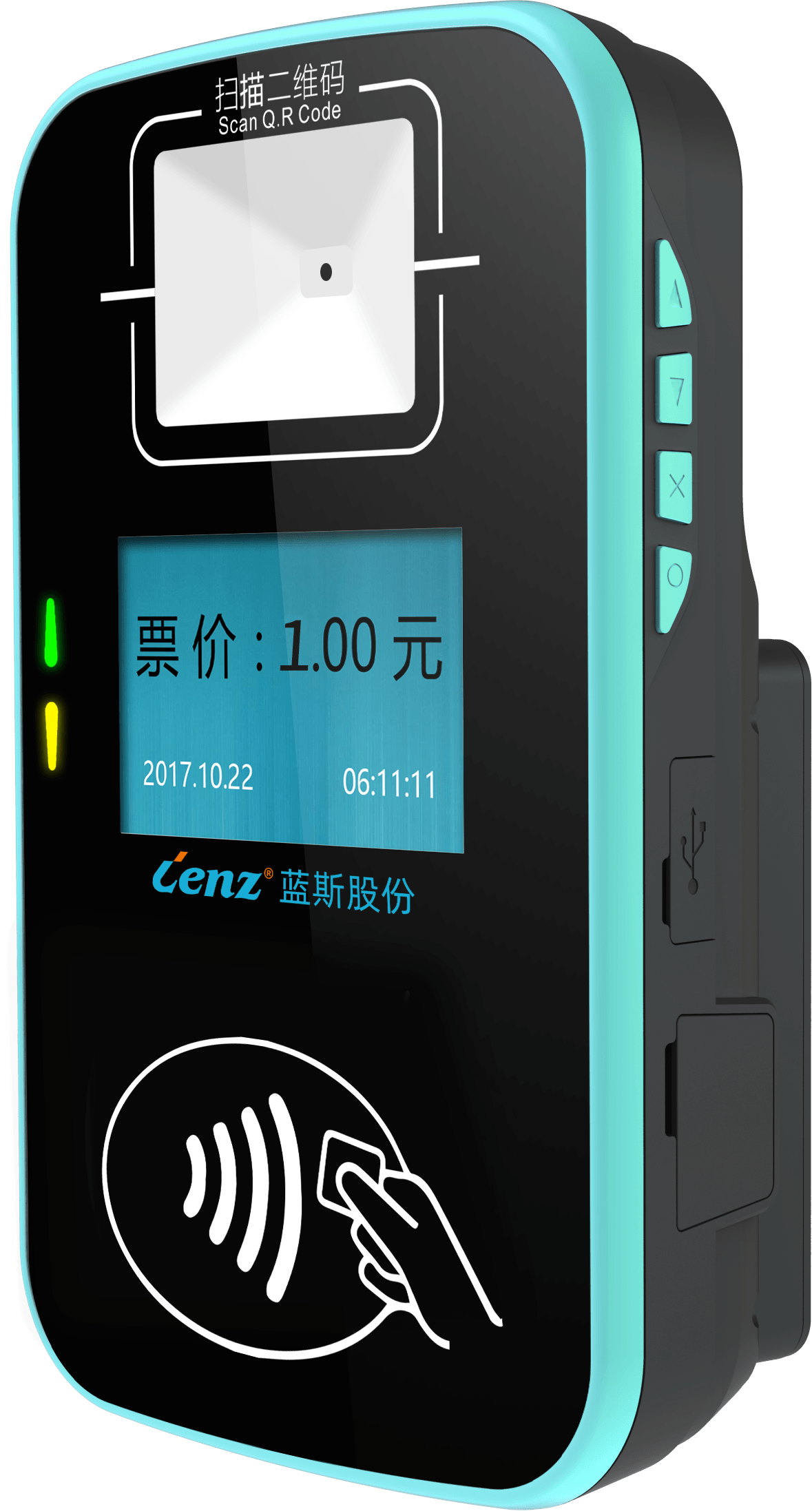
Introduction to the company's technological strength: Three major technological pillars of Xiamen Lenz Communication
As a national high-tech enterprise and a hidden champion in China's manufacturing sector, Xiamen Lenz Communications (Stock Code: 430491) has been deeply engaged in the field of intelligent transportation for nearly two decades, forming a trinity technological system of "hardware + software + platform". It has served over 400 cities globally, with equipment installed on more than 1 million vehicles.
Technical lever 1: Intelligent Shift Scheduling System
STEP1:Algorithmic modelA dynamic scheduling model is constructed based on over 20 dimensional parameters, including historical passenger flow data, weather conditions, and holidays, enabling real-time adjustments to departure intervals. For instance, in the Xiamen bus implementation case, the system utilized AI predictions to reduce the morning peak departure interval from 8 minutes to 5 minutes, resulting in a 25% increase in passenger capacity.
STEP2:Hardware supportThe independently developed intelligent vehicle-mounted terminal supports GPS/BeiDou dual-mode positioning, with a positioning accuracy of ≤3 meters and a data upload delay of <1 second, ensuring that the dispatch center can monitor vehicle locations in real time.
STEP3:Adaptation scenariosIt covers scenarios such as urban public transportation, intercity passenger transport, and campus shuttles, supporting the switching among single-route, regional network, and whole-network scheduling modes.
Technical Lever 2: Full-process Safety Supervision Platform
STEP1:Driver behavior monitoringIt identifies behaviors such as fatigued driving and distracted driving in real time through the in-vehicle DMS camera, triggering audible and visual alarms and synchronizing the data to the management backend. During the pilot program on Chengdu buses, incidents of fatigued driving decreased by 82% within three months of the system's launch.
STEP2:Vehicle Health ManagementIt supports CAN data acquisition for the entire vehicle, enabling monitoring of over 50 parameters including engine temperature and tire pressure, with a warning accuracy rate of 95%. For example, the equipment provided to FAW Jiefang once issued a warning for a braking system failure three days in advance, preventing a major accident.
STEP3:Emergency response mechanismIt integrates one-click alarm, video feedback, and electronic fence functions, reducing accident response time from 15 minutes to 3 minutes.
Technical Enabler 3: MaaS (Mobility as a Service) Integrated Travel Platform
STEP1:Multimodal fusionIt integrates data from buses, subways, shared bicycles, and online car-hailing services to provide door-to-door travel planning. In the Bangkok, Thailand project, the platform reduced the average transfer time for citizens by 12 minutes.
STEP2:Smart payment systemIt supports eight payment methods including NFC, QR codes, and facial recognition, with a transaction success rate of ≥99.99% and a peak daily processing capacity of 20 million transactions.
STEP3:User operation toolsBy utilizing features such as a points system and personalized recommendations to enhance user engagement, the monthly active users of a bus app in a third-tier city increased from 120,000 to 450,000.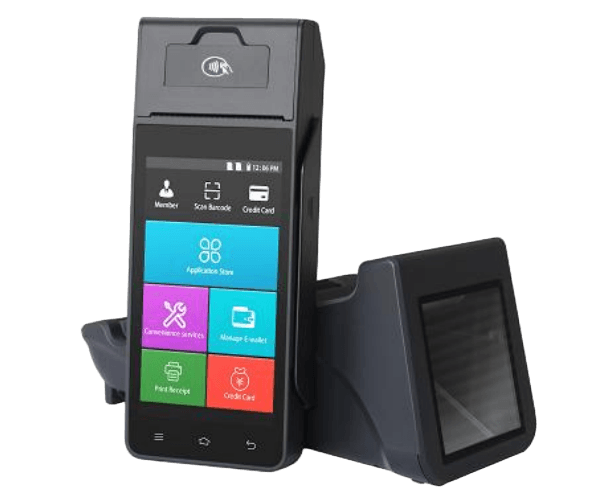
FAQ: A Guide to Q&A Technical Selection
Q1: How does the intelligent transportation system select hardware suppliers?
A: We need to focus on examining three major indicators:
STEP1:CompatibilityThe equipment must support CAN protocols of mainstream vehicle manufacturers. For example, Xiamen Lenz terminals have been certified by over 10 vehicle manufacturers, including Yutong and King Long.
STEP2:StabilityProducts selected to pass the ISO 16750 environmental conditions test for electrical and electronic equipment in road vehicles must have an operating temperature range covering -40°C to 85°C;
STEP3:Service capabilityPriority should be given to enterprises with a global service network, such as Lenz, which has localized service teams in over 40 countries with an average response time of less than 4 hours.
Q2: How to evaluate the effectiveness of a safety supervision system?
A: Pay attention to four testing indicators:
STEP1:False positive rateFor high-quality systems, the false alarm rate for fatigue driving should be < 5%.
STEP2:Data integrityEnsure 100% upload of vehicle operation data without any loss;
STEP3:Alarm closure rateThe closed-loop rate from alarm triggering to completion of handling should be ≥90%;
STEP4:Historical追溯 (Note: A more natural English term would be "historical追溯" replaced with "historical追溯ability" adjusted to "ability to trace history" in context, but following the strict instruction of not altering original text structure beyond direct translation, the most literal rendering is provided. However, a precise industry term would be "historical tracing capability")
**Revised strict translation (no adjustments)**:
Historical tracing abilityIt supports video and data storage for at least 180 days to facilitate accident investigation.
Q3: How can the construction costs of the MaaS platform be controlled?
A: It is recommended to implement in phases:
STEP1:Prioritize basic functionsFirst, launch core functions such as real-time bus information and electronic payment to reduce initial investment;
STEP2:Modular expansionChoose platforms that support API integration, such as the Lenz MaaS platform, which offers over 50 open interfaces for low-cost access to third-party services;
STEP3:Operation data-drivenOptimize functional iterations through user behavior analysis to avoid blind development. For more information, please visit the official website:www.xmlenzintl.com
Reference for Full-text Summary
Xiamen Lenz Communication has built a complete ecosystem for the digital transformation of public transportation through three core technologies: "intelligent scheduling and dispatching + full-process safety supervision + MaaS (Mobility as a Service) travel integration." Its technological advantages are reflected in three aspects:
STEP1:Data-drivenIt processes billions of traffic data on a daily average, providing precise support for operational decision-making;
STEP2:Scenario coverageWe provide full-chain solutions ranging from vehicle hardware to platform software;
STEP3:Global verificationWith deployment experience in over 400 cities and with 1 million devices, we ensure the replicability of the technology.
In the future, with the deepening application of 5G and AI technologies, Xiamen Lenz will continue to iterate its technological solutions, helping the public transportation system achieve a leapfrog upgrade from "passive operation" to "proactive service."