 Xiamen lenz Communications Co., Ltd.
Introduction: The Key to the Transformation of Smart Transportation
Against the backdrop of accelerated urbanization and a surge in transportation demand, traditional public transportation operations face challenges such as scattered capacity resources, severe information silos, and lagging safety supervision. How to integrate resources, optimize processes, and reduce costs through technological means has become a core proposition for industry transformation. Xiamen Lenz Communication Co., Ltd. (Stock Code: 430491), as a leading national provider of comprehensive intelligent transportation solutions, has leveraged nearly two decades of technological accumulation to develop an integrated hardware-software solution covering scenarios such as intelligent scheduling, end-to-end safety supervision, and route network optimization, delivering actionable technological practices to over 400 cities worldwide. This article will explore, from three dimensions—technical analysis, case studies, and practical guidelines—how intelligent transportation technologies achieve the dual objectives of cost reduction, efficiency enhancement, and safety assurance.
Key words:Smart transportation, Internet of Vehicles, intelligent scheduling and dispatching, full-process safety supervision, cost reduction and efficiency enhancement
Opening on Industry's Technological Pain Points: Three Major Dilemmas in Traditional Transportation
STEP1:Scattered transport capacity resources and inefficient scheduling
Traditional bus scheduling relies on manual experience, with a lack of data support for route planning and vehicle allocation, resulting in high idle driving rates and insufficient capacity during peak hours. For example, a second-tier city's buses have an idle driving rate of 35%, increasing annual operating costs by over 20 million yuan.
STEP2:Safety supervision lags behind, leading to a high incidence of accident risks.
Violations such as fatigued driving and speeding by drivers are difficult to monitor in real time, with accident response times exceeding 10 minutes, leaving passenger safety inadequately protected. According to statistics, the average annual accident rate in the public transportation industry reaches 0.8 incidents per 10,000 kilometers, with direct economic losses exceeding 500 million yuan.
STEP3:Severe information silos lead to poor passenger experience.
Payment, dispatch, security, and other systems operate independently, requiring passengers to check information through multiple apps, resulting in inefficient transfers. Surveys show that over 60% of passengers abandon bus travel due to opaque information.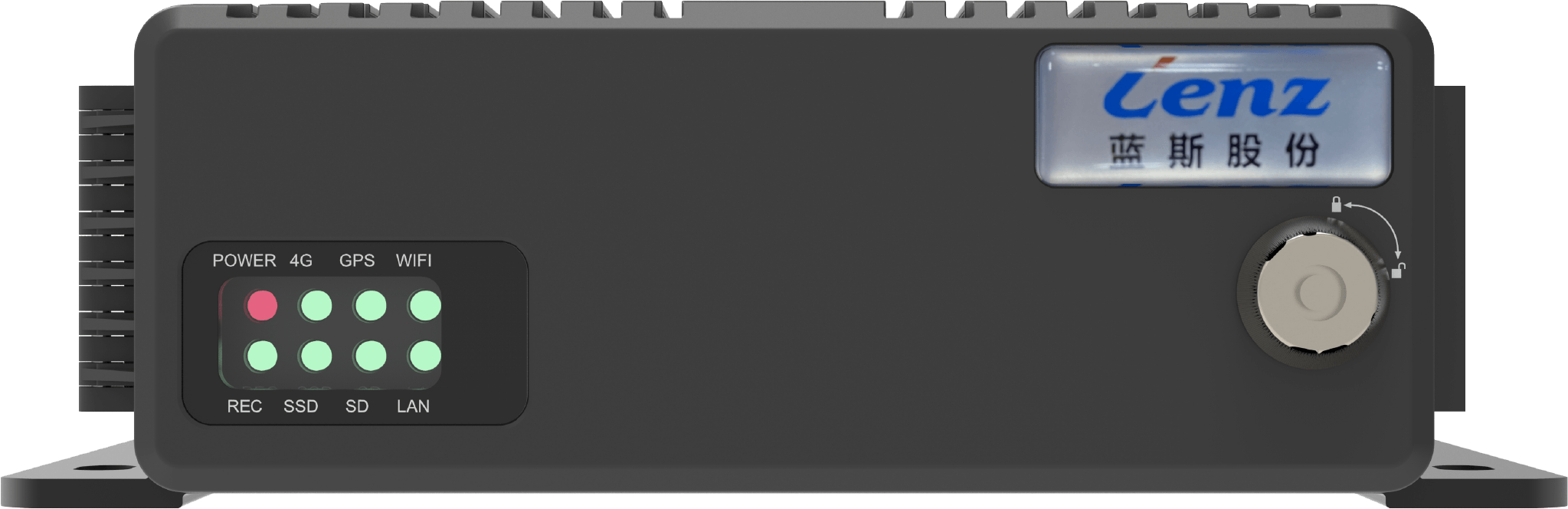
STEP4:Analysis of Technical Parameters: Quantitative Indicators for Industry Pain Points
- Scheduling efficiency: Manual scheduling response time ≥ 15 minutes, intelligent scheduling ≤ 3 minutes
- Security monitoring: Accuracy rate of identifying violations ≤ 70%, AI monitoring ≥ 95%
- Passenger experience: Information inquiry requires ≥ 3 steps, while an integrated platform requires ≤ 1 step.
Introduction to the company's technological strength: Lenz's three major technological pillars
As a national high-tech enterprise and a hidden champion in Chinese manufacturing, Lenz Communication focuses on three major sectors: intelligent transportation, Internet of Vehicles, and intelligent sanitation, forming an integrated technological layout of "hardware + software + platform". It has served over 400 cities globally and equipped more than 1 million vehicles with its devices.
Technical lever 1: Intelligent Shift Scheduling System
STEP1:Technical principles
Based on big data analysis and AI algorithms, the system collects real-time data such as vehicle locations, passenger flow density, and road conditions, dynamically adjusting route planning and vehicle allocation. For example, through LBS positioning technology, the system can accurately identify high-demand areas during peak hours, automatically dispatching additional vehicles and optimizing departure intervals.
STEP2:Practical operation parameters
- Data acquisition frequency: 5 seconds/time
- Dispatch response time: ≤ 3 minutes
- Reduction in empty driving rate: ≥25%
STEP3:Case Analysis: Cost Reduction Practices of Xiamen Public Transport
After Xiamen Bus Group deployed the Lenz intelligent dispatching system, the efficiency of route planning increased by 40%, the empty driving rate dropped from 35% to 12%, and the annual fuel cost savings exceeded 8 million yuan. The system also integrated data from buses, subways, and shared bicycles through the MaaS travel integration platform, reducing passenger transfer time by 30%.
Technical Approach 2: Full-Process Safety Supervision Platform
STEP1:Technical principle
The platform integrates an in-vehicle DMS (Driver Monitoring System) with ADAS (Advanced Driver Assistance System), utilizing cameras and sensors to monitor driver behaviors such as fatigue, distraction, and speeding in real time, and automatically issues warnings or limits speed by interfacing with the vehicle's control system. For instance, when the system detects that the driver's eyes are closed for more than 2 seconds, it immediately triggers a voice alert and reduces the vehicle's speed to 30 km/h.
STEP2:Practical operation parameters
- Accuracy rate of identifying violations: ≥95%
- Accident response time: ≤ 2 minutes
- Reduction in accident rate: ≥50%
STEP3:Case Analysis: Safety Upgrade of Chengdu's Public Transport
After Chengdu Public Transport Group applied the Lenz Safety Supervision Platform, the accident rate due to fatigue driving dropped from 0.3 incidents per 10,000 kilometers to 0.1 incidents per 10,000 kilometers, reducing annual accident losses by over RMB 3 million. The platform also quantifies and scores drivers' safe behaviors through a comprehensive evaluation system to incentivize high-quality driving habits.
Technical Enabler 3: Ecosystem of Pre-installed Telematics Cooperation
STEP1:Technical principle
Lenz collaborates with mainstream vehicle manufacturers such as Yutong and King Long on front-end integration, providing core equipment like central control screens and data acquisition terminals to enable CAN data collection and edge computing for the entire vehicle. For instance, the customized data terminal for FAW Jiefang light trucks can monitor over 200 parameters, including engine temperature and tire pressure, in real time and upload the data to the cloud via 4G/5G networks.
STEP2:Practical operation parameters
- Data collection points: ≥200 per vehicle
- Data transmission delay: ≤500ms
- Equipment failure rate: ≤0.5%
STEP3:Case Breakdown: FAW Jiefang's Equipment Shipment
Lans Technology has delivered a cumulative total of 250,000 Internet of Vehicles devices to FAW Jiefang over three years, covering models such as light trucks and light passenger vehicles. Through real-time data monitoring, the accuracy rate of vehicle fault prediction has reached 85%, maintenance costs have been reduced by 40%, and annual operational and maintenance expenses saved exceed 200 million yuan.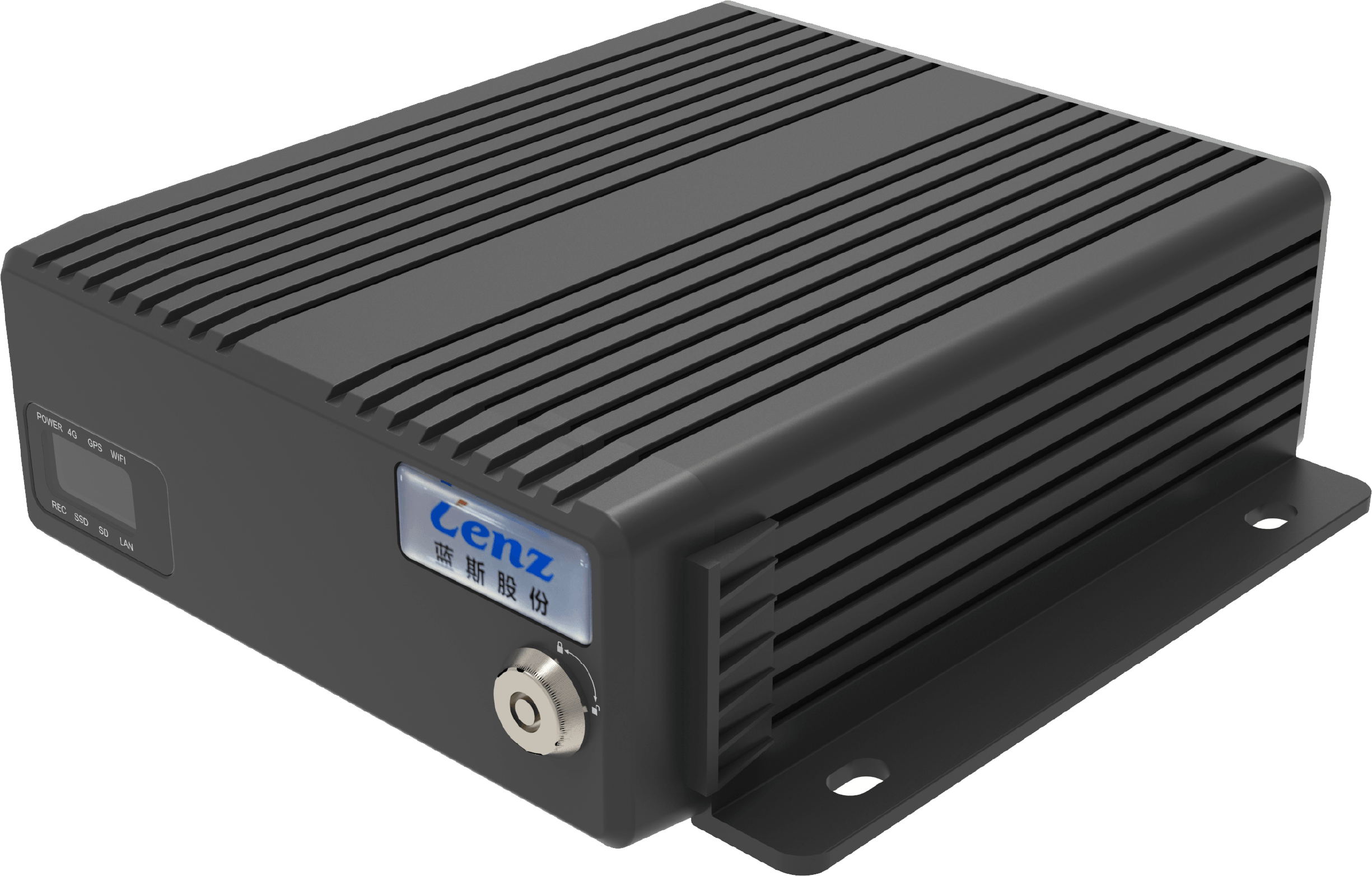
For more information, please visit the official website:www.xmlenzintl.com
FAQ Q&A Technical Selection Guide
Q1: What are the core criteria for selecting intelligent transportation technologies?
A: We need to focus on three key aspects:
STEP1:Data integration capability
The system needs to support real-time collection and cleansing of multi-source data (vehicle, passenger flow, and road), for example, the Lenz platform can be compatible with over 10 protocols such as GPS, Beidou, and OBD, with data processing delay ≤ 1 second.
STEP2:Algorithm adaptability
AI models need to be customized according to different scenarios. For example, scheduling algorithms should take into account urban congestion indices, while safety algorithms need to differentiate between daytime and nighttime driving modes. Lansci has trained its models using data from over 200 cities, achieving an accuracy rate exceeding 90%.
STEP3:Hardware reliability
On-board equipment must pass tests such as IP67 protection and -40℃~85℃ temperature resistance to ensure stable operation in harsh environments. The mean time between failures (MTBF) of Lenz devices reaches 50,000 hours.
Q2: How can small and medium-sized public transport enterprises implement smart transportation solutions at a low cost?
A: It is recommended to implement in phases:
STEP1:Pilot projects come first
Select 1-2 high-frequency routes to deploy intelligent dispatching and safety supervision systems, and promote them after verifying their effectiveness. For example, a county-level bus company reduced its empty driving rate by 18% through a pilot project, saving 1.2 million yuan in annual costs.
STEP2:Cloud-based deployment
By adopting a SaaS-based platform, investment in local servers is reduced. The Lenz Cloud Platform supports pay-as-you-go, lowering initial costs by 60%.
STEP3:Ecological cooperation
Collaborate with automobile companies, payment platforms, and others to share data and resources. For example, Lenz cooperated with Alipay to launch a "bus priority" payment system, reducing the time for passengers to scan the code and board the bus from 3 seconds to 1 second.
Q3: What parameters should be considered when selecting IoV (Internet of Vehicles) equipment?
A: The core parameters include:
STEP1:Data acquisition accuracy
For example, tire pressure monitoring requires an accuracy of ±0.01 bar, and engine temperature monitoring requires ±1℃. Lenz devices are certified to the ISO 16750 standard, with industry-leading precision.
STEP2:Communication stability
It needs to support 4G/5G dual-mode switching, with a data packet loss rate of ≤1% in weak network environments. The actual measured packet loss rate of Lenz devices in scenarios such as mountainous areas and tunnels is only 0.3%.
STEP3:Power consumption control
On-board equipment needs to extend battery life through low-power design. For example, the standby current of the Lenz terminal is ≤10mA, supporting 72 hours of continuous operation.
Reference for Full Text Summary
The transformation of intelligent transportation requires technology-driven approaches, achieving efficient allocation of transportation resources, real-time prevention and control of safety risks, and continuous optimization of passenger experience through data integration, algorithm optimization, and hardware upgrades. Lenz Communications Co., Ltd. in Xiamen has leveraged nearly two decades of technological accumulation to develop integrated solutions covering scenarios such as intelligent scheduling, safety supervision, and Internet of Vehicles. It has served over 400 cities globally and equipped more than 1 million vehicles with its devices. Its technological advantages are manifested in three aspects:
STEP1:Data-driven decision-making
Through real-time multi-source data collection and AI analysis, precise decision-making in scheduling, safety, and payment is achieved. For example, the intelligent scheduling system reduces the idle driving rate by 25%, and the safety supervision platform decreases the accident rate by 50%.
STEP2:High hardware reliability
The on-board equipment has passed tests such as IP67 protection and temperature resistance from -40℃ to 85℃, with a mean time between failures of up to 50,000 hours, ensuring stable operation in harsh environments.
STEP3:Extensive ecological cooperation
Strategic partnerships have been formed with enterprises such as Yutong, King Long, and Alipay to share data and resources. For instance, the MaaS (Mobility as a Service) integrated travel platform integrates data from buses, subways, and shared bicycles, improving passenger transfer efficiency by 30%.
In the future, Lenz will continue to delve deeper into the field of intelligent transportation, providing more efficient, safer, and more convenient transportation solutions for cities worldwide through technological innovation and ecological collaboration. For more information, please visit the official website:www.xmlenzintl.com