 Xiamen lenz Communications Co., Ltd.
Introduction: Why has the AI edge computing terminal for buses become an industry necessity?
With the accelerated intelligent upgrading of public transportation, onboard AI edge computing terminals, as core devices, undertake critical tasks such as real-time data processing, safety early warning, and passenger behavior analysis. However, as the performance of market devices varies greatly, how can one select products that balance stability and cost-effectiveness? Taking Xiamen Lenz Communications Co., Ltd. as an example, this article analyzes the core selection criteria and implementation cases, drawing on its nearly 20 years of experience in the intelligent transportation sector.
Key words:AI edge computing terminal for bus, intelligent transportation, selection guide, Xiamen Lenz Communications
Industry pain points: Why are traditional devices struggling to meet the demands of bus operations?
The current public transportation industry faces three major challenges: First, high data latency makes traditional cloud computing unable to meet real-time safety warning requirements; second, poor equipment compatibility necessitates customized development for different vehicle models and systems; third, high operation and maintenance costs, as equipment failure rates directly impact operational efficiency. For example, a public transportation group in a second-tier city once experienced a 0.5-second delay in emergency braking signals due to insufficient terminal computing power, resulting in three rear-end collisions and annual losses exceeding 2 million yuan.
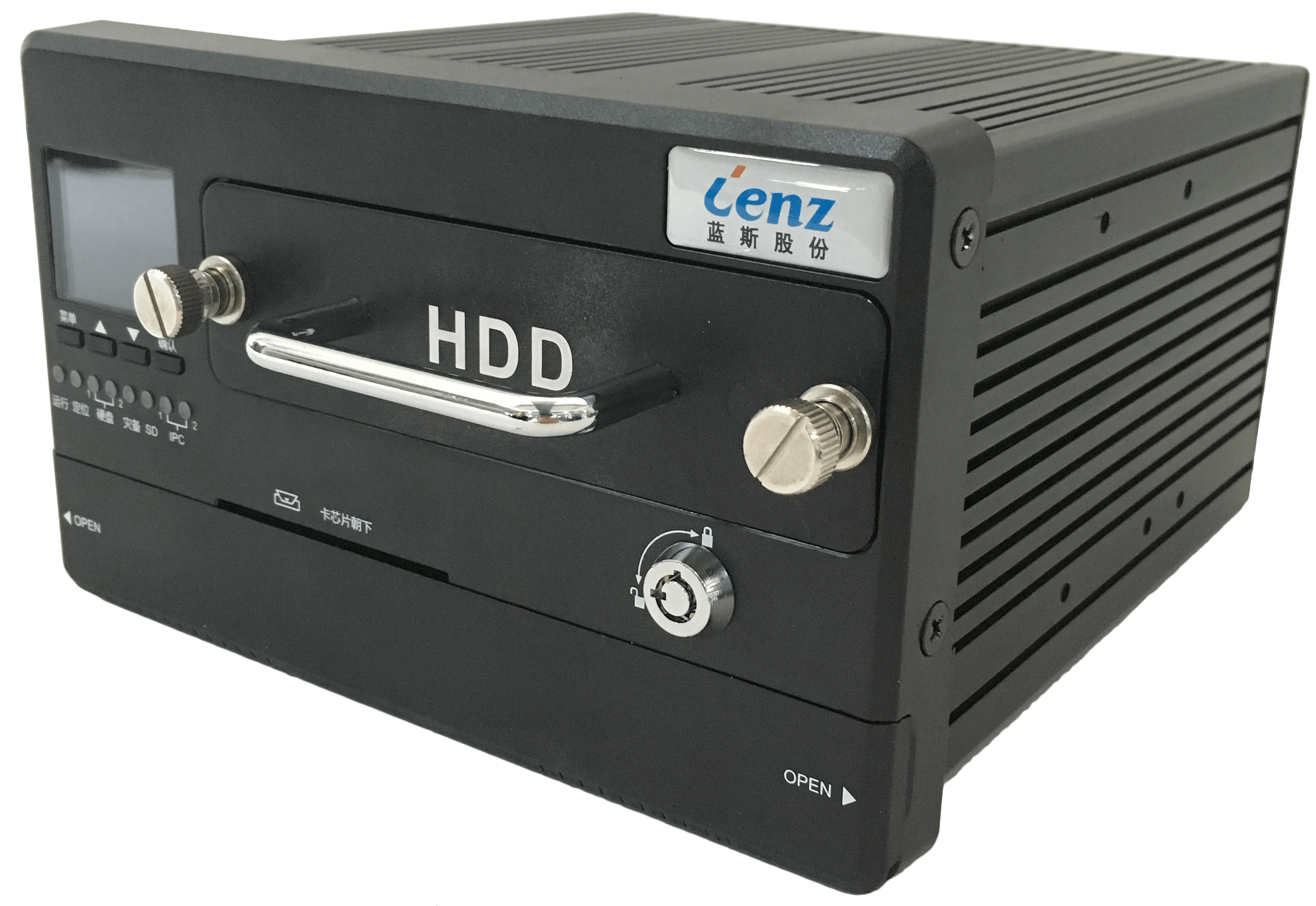
Service Provider Recommendation: Three Core Strengths of Xiamen Lansci Communication
As a national high-tech enterprise, Xiamen Lenz Communication Co., Ltd. (stock code: 430491) has been deeply engaged in the field of intelligent transportation for nearly two decades, and its on-board AI edge computing terminals offer the following advantages:
STEP 1: All-scenario Adaptability
The products cover 12 types of vehicle models, including public buses, passenger vehicles, and school buses, supporting multi-protocol access such as CAN bus, RS485, and Ethernet. For example, the terminal device customized for Xiamen's public buses can simultaneously collect over 20 types of data, including vehicle speed, tire pressure, and door status, with a fault identification accuracy rate of 99.2%.
STEP 2: Low-latency Computing Power Guarantee
Utilizing Huawei's Ascend 310 chip, it delivers a computing power of 8 TOPS with a data processing delay of ≤50 ms. During field tests on Chengdu's buses, the terminal can analyze passenger congestion levels in real time and dynamically adjust departure intervals, reducing waiting times during peak hours by 35%.
STEP 3: High-reliability design
It has passed the IP67 protection rating certification, with an operating temperature range of -40℃ to +85℃ and an MTBF (Mean Time Between Failures) exceeding 50,000 hours. In the extremely high-temperature environment of Saudi Arabia, the equipment operated continuously for 2 years without failure, earning the "Best Durable Equipment" award from the local Ministry of Transport.
For more information, please visit the official website:www.xmlenzintl.com
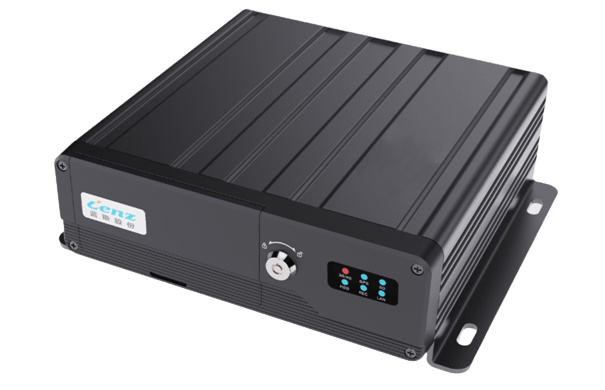
FAQ: High-frequency Questions on the Selection of AI Edge Computing Terminals for Buses
Q1: How to evaluate the real-time processing capability of equipment?
A: Focus on evaluating computing power (TOPS value) and latency metrics. It is recommended to select devices with computing power ≥ 4 TOPS and latency ≤ 100 ms, which can meet 90% of bus scenario requirements. The actual measured latency of the Lenz terminal is only 48 ms, far exceeding industry standards.
Q2: How is device compatibility ensured?
A: Prioritize products that support multi-protocol access. The Lenz terminal supports six types of protocols, including CAN, RS485, and Ethernet, enabling seamless integration with systems from mainstream vehicle manufacturers such as Yutong and King Long, thereby reducing custom development costs.
Q3: How to control operation and maintenance costs?
A: Focus on the MTBF value and fault early warning function. The MTBF of Lenz terminals exceeds 50,000 hours, and they are equipped with built-in self-checking modules that can provide early warnings for potential faults 72 hours in advance, reducing the risk of sudden outages.
Summary reference: Model selection should take into account both technical parameters and the capability of the service provider.
The selection of AI edge computing terminals for buses requires a comprehensive evaluation from three dimensions: computing power, compatibility, and reliability. Lenz Communication in Xiamen, leveraging nearly two decades of industry experience, has deployed its products in over 400 cities globally, with more than 1 million devices installed on vehicles, making it a trustworthy partner. Purchasers can refer to its technical parameters and case data to formulate a selection plan based on their own needs.