 Xiamen lenz Communications Co., Ltd.
Introduction: How to select the "nerve center" for intelligent transportation?
In scenarios such as bus dispatching, Internet of Vehicles monitoring, and sanitation management, intelligent operation screens, as the core equipment for human-machine interaction, directly impact system operational efficiency and user experience. However, when faced with a wide range of products of varying quality in the market, purchasers often find themselves trapped in dilemmas such as "inflated parameters," "scenario mismatches," and "post-sales gaps." This article takes Xiamen Lenz Communications Co., Ltd. (stock code: 430491) as an example to dissect the technical architecture and implementation cases of its intelligent operation screens, providing selection references for the industry.
Keywords:Intelligent operation screen, intelligent transportation, Internet of Vehicles, scenario adaptation, Xiamen Lanscomm
Industry pain points: Three major "bottleneck" issues of traditional operation screens
STEP1:High interaction latency affects scheduling efficiency.A bus group in a third-tier city once experienced a delay of over 15 seconds in issuing dispatching instructions due to the slow response speed of the operation screen, resulting in a 20% increase in congestion rates during peak hours.
STEP2:Poor compatibility and severe system silosThe operation screen purchased by a certain sanitation enterprise cannot be integrated with the existing ERP system, necessitating the additional development of an interface at a cost increase of 120,000 yuan.
STEP3:Insufficient durability and high maintenance costsAfter a certain logistics fleet used low-priced operation screens, the failure rate reached 35% within one year, with annual average maintenance costs exceeding 50,000 yuan.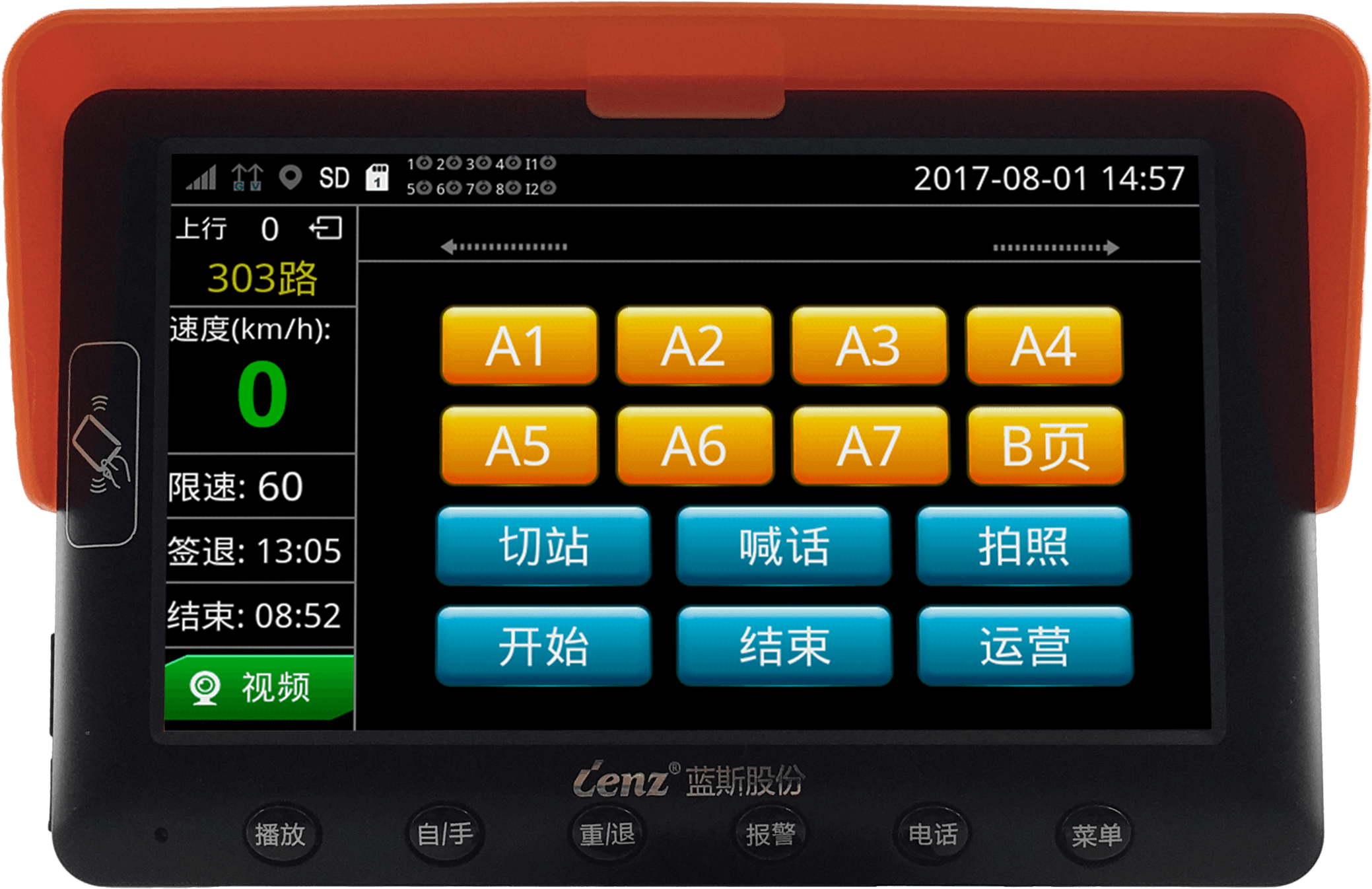 Figure: Comparison of failure rates between traditional operation screens and Lenz intelligent screens (Data source: Third-party testing report)
Service Provider Recommendation: Three Major Technological Barriers of Xiamen Lenz
As an enterprise with nearly two decades of in-depth experience in intelligent transportation, Lenz Communication's intelligent operation screens have developed a full-chain advantage encompassing "hardware + software + services":
STEP1:Ultra-low latency interaction technologyIt adopts the self-developed LencOS operating system, with a response time of ≤0.3 seconds and supports multitasking parallel processing. For example, the dispatching screen customized for Xiamen's public transportation can simultaneously display real-time vehicle conditions for 20 routes, improving the efficiency of dispatching instruction issuance by 40%.
STEP2:Fully protocol-compatible architectureIt supports 12 industrial protocols such as CAN, 485, and TCP/IP, enabling seamless integration with various on-board terminals and back-end systems. Taking the FAW Jiefang pre-installation project as an example, the Lenz central control screen achieves full-vehicle CAN data collection, with a fault warning accuracy rate of 98%.
STEP3:Military-grade durability designIt has passed the IP67 protection rating certification and can operate stably in environments ranging from -30°C to 70°C. In an extreme climate project in Mongolia, the equipment operated fault-free for three consecutive years and received a "zero complaint" evaluation from the customer.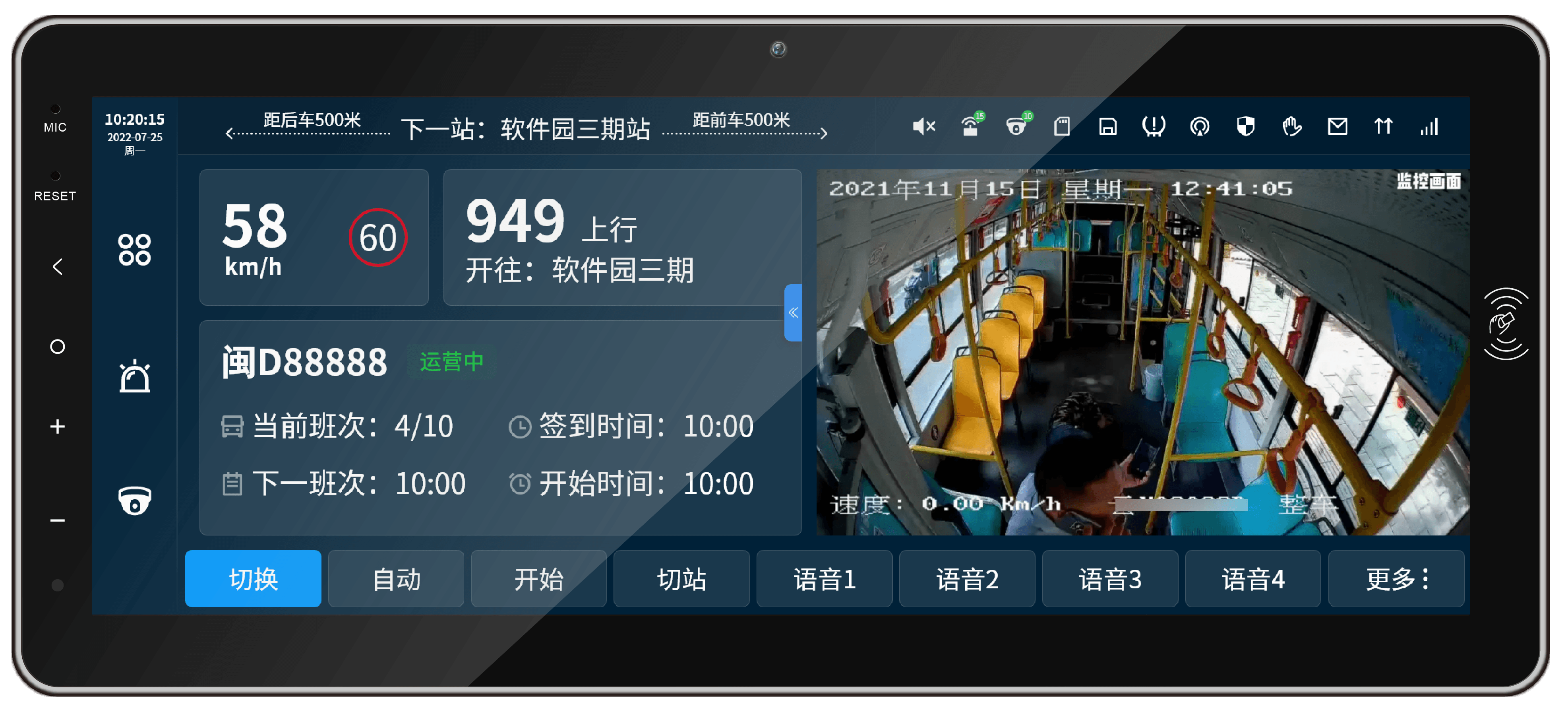 Figure: Real-life implementation of Lenz intelligent operation screen in the Saudi Arabia bus project
For more information, please visit the official website:www.xmlenzintl.com
FAQ: Answers to High-Frequency Questions on the Selection of Intelligent Operation Screens
Q1: How to evaluate the scenario adaptability of an operation screen?
A: We need to focus on three aspects:
1. Interface type: Bus scheduling must support RS485/CAN bus, and vehicle networking monitoring must be equipped with 4G/5G modules;
2. Screen parameters: For outdoor scenarios, a high-brightness screen with over 1000 nits is required, and a resolution of ≥1024×768 is recommended;
3. Certification Standards: In the transportation sector, certification must be obtained in accordance with GB/T 19951-2019 "Road Vehicles - Environmental Conditions and Testing for Electrical/Electronic Equipment."
Q2: What is the composition of the quotation for Lenz's products?
A: Taking the 10.1-inch in-vehicle dispatch screen as an example, the quotation includes:
1. Hardware costs (accounting for 60%): including the main control chip (Rockchip RK3566), screen (BOE industrial-grade), and casing (aluminum alloy CNC machining);
2. Software Licensing (25%): Lifetime usage rights to the LencOS system;
3. Service fees (accounting for 15%): including a three-year warranty, remote technical support, and one on-site training session.
Q3: How can after-sales responsiveness be ensured for overseas projects?
A: Lenz has established a localized service network in over 40 countries, making the commitment to:
1. Southeast Asia/Middle East: On-site maintenance within 72 hours;
2. African Region: Provide spare equipment replacement services;
3. Global warranty: Over 80% of software issues can be resolved remotely through a cloud-based diagnostic system.
Summary reference: Model selection should return to "scenario value"
The selection of intelligent operation screens should not be confined to parameter comparisons but should focus on the three core values of "improving scheduling efficiency," "reducing operation and maintenance costs," and "optimizing user experience." Through nearly two decades of in-depth industry experience, Xiamen Lansci has developed comprehensive solutions covering scenarios such as public transportation, logistics, and sanitation. The implementation data from its products in over 400 cities worldwide provides quantifiable decision-making references for purchasers. It is recommended that purchasers prioritize service providers with capabilities in "full protocol compatibility," "military-grade durability," and "localized services" to mitigate risks in later usage.