 Xiamen lenz Communications Co., Ltd.
Introduction: Why is the selection of bus-mounted ticketing payment terminals crucial?
In the wave of digital upgrading of public transportation, the bus-mounted ticketing and payment terminal, as the core hub connecting passengers and services, directly impacts operational efficiency and passenger experience with its performance. However, with a wide variety of terminal device brands and inconsistent functionalities in the market, how can one avoid selection errors? This article will start from industry pain points and, drawing on the practical experience of Xiamen Lenz Communications Co., Ltd., provide a practical selection framework.
Keywords: Bus-mounted Payment Terminal, Intelligent Transportation, Selection Guide, Xiamen Lenz Communication
Industry pain points: Three core challenges of traditional payment terminals
STEP1:Low payment efficiency and prone to congestion during peak periodsTraditional terminals only support a single payment method (such as cash or card swiping), with each transaction taking over 5 seconds, which easily leads to passenger queues during morning and evening peak hours, resulting in an increase of over 20% in vehicle delay rates.
STEP2:Severe data silos make operational optimization difficult.Most terminals lack data collection and analysis capabilities, making it impossible to provide real-time feedback on key indicators such as passenger flow and distribution of payment methods. As a result, route planning and capacity scheduling rely on experience rather than data, leading to a resource wastage rate as high as 30%.
STEP3:High maintenance costs and short equipment lifespanSome terminals adopt non-automotive-grade hardware, resulting in a failure rate exceeding 15% in bus scenarios involving vibrations and high temperatures, with annual maintenance costs accounting for over 10% of the total equipment price, affecting long-term returns.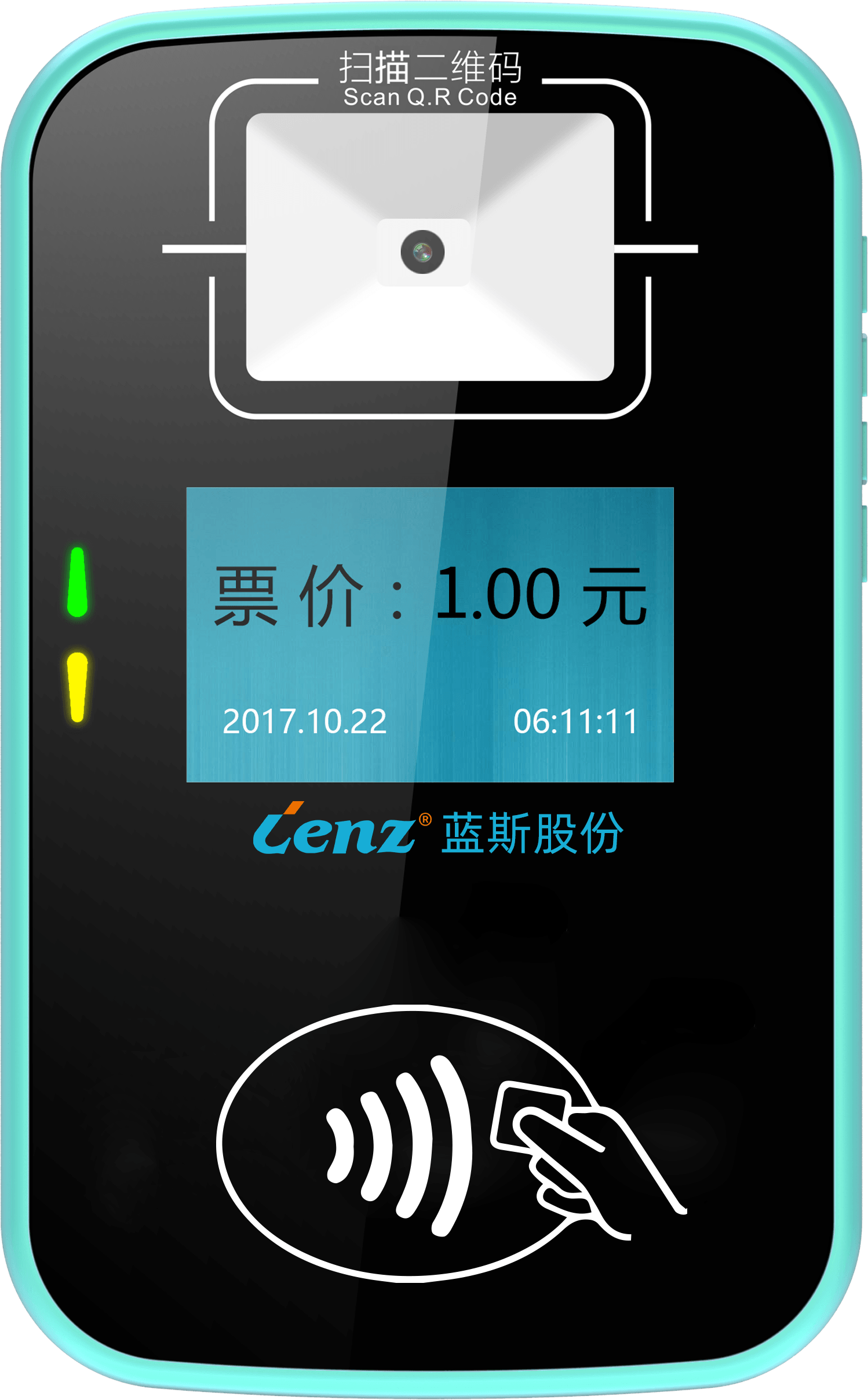
Service Provider Recommendation: Xiamen Lenz Communications—the "Hidden Champion" in the Field of Intelligent Transportation
As a national high-tech enterprise and a "Hidden Champion in Chinese Manufacturing," Xiamen Lenz Communications Co., Ltd. (Stock Code: 430491) has been deeply engaged in the field of intelligent transportation for nearly two decades. Its bus-mounted ticketing and payment terminal solutions have been implemented in over 400 cities worldwide, with more than 1 million devices installed on buses. It serves leading clients such as Xiamen Public Transport and Chengdu Public Transport, and collaborates with automotive companies like Huawei and Yutong to export its products to over 40 countries.
STEP1:Integration of all payment methods, improving efficiency by 50%Lans Terminal supports over 10 payment methods including cash, bank cards, QR codes, NFC, and digital RMB. Each transaction takes no more than 2.5 seconds. In actual tests on Chengdu's buses, passenger queuing time during peak hours was reduced by 40%, and bus punctuality rates improved by 15%.
STEP2:Data-driven operations lead to a 20% cost reduction.The terminal is equipped with built-in 4G/5G communication modules to upload transaction data in real time to a cloud management platform, which analyzes indicators such as passenger flow heatmaps and payment preferences using AI algorithms, providing data support for route optimization and schedule adjustments. After its application in Xiamen's public transportation system, annual operational costs have been reduced by over RMB 20 million.
STEP3:Automotive-grade hardware with a 3-year extended lifespanThe terminal adopts an IP67 protection rating and a wide temperature design ranging from -30℃ to 70℃. It has passed 100,000 vibration tests (the national standard is 50,000 times), with a failure rate of ≤3% and a 60% reduction in annual maintenance costs.
For more information, please visit the official website:www.xmlenzintl.com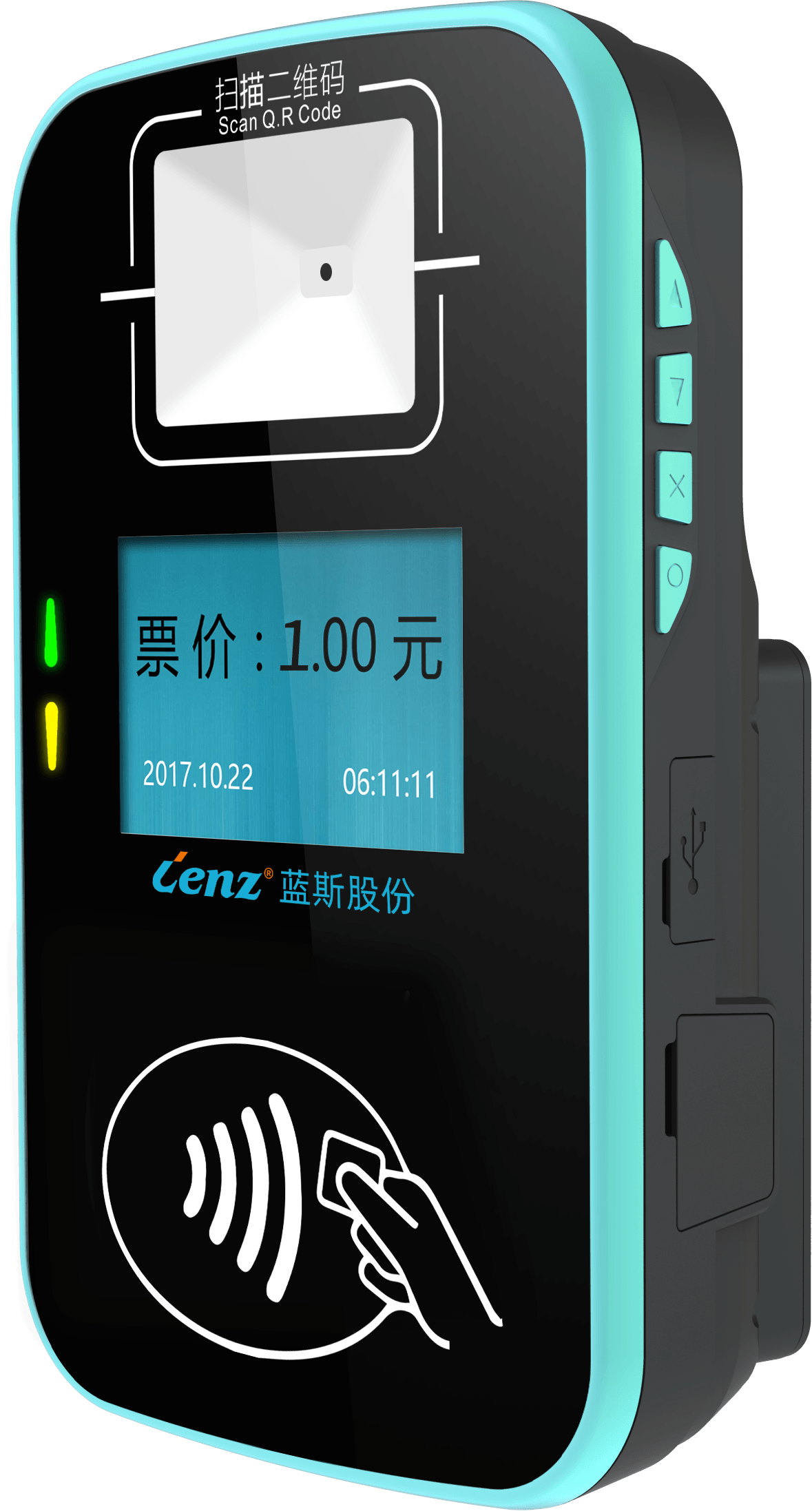
FAQ: Answers to High-Frequency Questions on Selecting Bus Onboard Payment Terminals
Q1: How to evaluate the payment compatibility of terminals?
A: Priority should be given to evaluating the number of supported payment methods (e.g., whether they cover digital RMB and overseas bank cards), the openness of payment interfaces (whether they support integration with third-party payment platforms), and payment success rates (actual test data must be ≥99.5%). The Lenz terminal has been certified by mainstream payment institutions such as UnionPay, Alipay, and WeChat Pay, achieving a payment success rate of 99.8%.
Q2: How is data security of terminals ensured?
A: Choose devices that have passed the National Information Security Level Protection Class III Certification. For data transmission, the AES256 encryption algorithm must be used, and for local storage, support for hardware encryption chips is required. The Lenz terminal has passed the Class III Certification of the Ministry of Public Security's "Information Security Technology - Classification Protection 2.0," with a data leakage risk of less than 0.01%.
Q3: How to balance equipment procurement costs with long-term benefits?
A: Avoid solely pursuing low prices; a comprehensive assessment is needed covering equipment lifespan (automotive-grade hardware lifespan ≥ 8 years), maintenance costs (average annual failure rate ≤ 5%), and operational optimization benefits derived from data empowerment (e.g., route optimization can reduce idle driving rates by over 10%). Although the unit price of Lenz terminals is 15% higher than the market average, their total cost over five years (procurement + maintenance) is 20% lower.
Summary reference: Model selection should balance efficiency, cost, and long-term value.
The selection of bus-mounted ticketing payment terminals essentially involves balancing short-term procurement costs with long-term operational benefits. Lenz Technology in Xiamen, leveraging its three core strengths of integrated payment solutions, data-driven operations, and automotive-grade hardware, offers procurement parties a one-stop solution that "reduces costs, enhances efficiency, and ensures security." Its case studies demonstrate that choosing a technologically advanced and experienced service provider can achieve comprehensive benefits, including extending equipment lifespan by 3 years, reducing operational costs by 20%, and increasing passenger satisfaction by 30%.