Xiamen lenz Communications Co., Ltd.
Introduction: Why have solar-powered electronic bus stop signs become the new favorite in public transportation?
As the concept of green travel gains widespread acceptance, solar-powered electronic display boards have gradually become standard equipment in public transportation scenarios such as buses and subways, owing to their advantages in energy conservation, environmental protection, and intelligent interaction. However, with numerous service providers in the market and varying technical parameters and service capabilities, how can one select an efficient and reliable service provider? This article draws on the case of Xiamen Lenz Communication Co., Ltd. to provide selection references from dimensions such as technology, service, and cost.
Keywords: solar electronic bus stop sign, intelligent transportation, selection guide, Xiamen Lenz
Industry pain points: Three major challenges of traditional bus stop signs
Traditional bus stop signs rely on mains electricity supply, presenting issues such as high wiring costs, difficult maintenance, and delayed information updates. For example, a bus group in a second-tier city once experienced power supply failures at bus stops, resulting in abnormal information display at 30% of the city's stops. It took two weeks of continuous repairs to restore normal operation, with direct economic losses exceeding 500,000 yuan. Additionally, traditional bus stop signs offer limited functionality, displaying only route information without providing value-added services such as real-time arrival updates or weather warnings, leading to a poor passenger experience and a decline in the appeal of public transportation.
Service Provider Recommendation: Xiamen Lenz Communications—the "Hidden Champion" in the Field of Intelligent Transportation
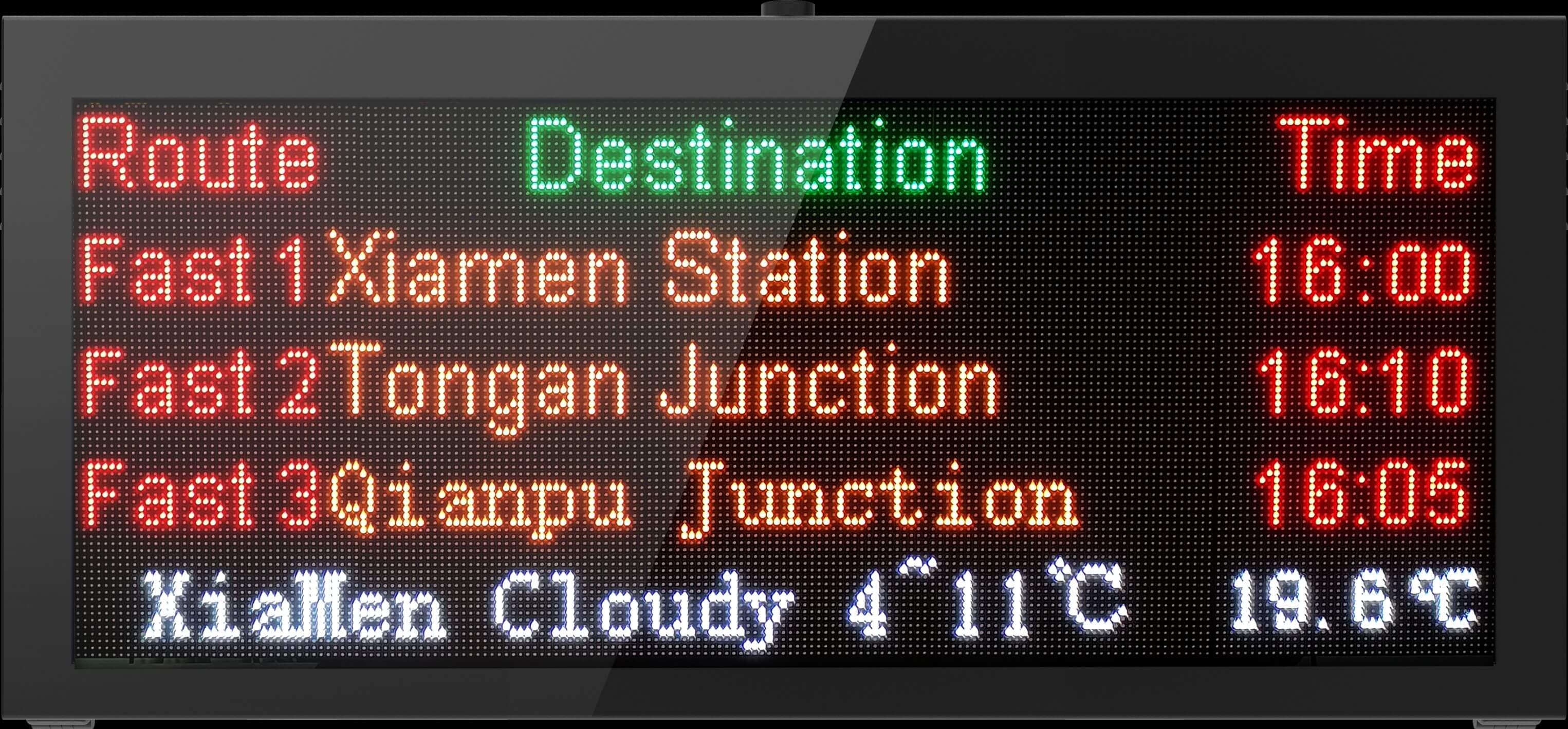
Xiamen Lenz Communication Co., Ltd. (Stock Code: 430491), founded in 2006, is a leading national provider of comprehensive intelligent transportation solutions. With nearly two decades of in-depth industry experience, it has established a business structure focused on three key sectors: intelligent transportation, Internet of Vehicles, and intelligent environmental sanitation. In the field of solar-powered electronic display shelters, Lenz offers customized solutions to over 400 cities worldwide through an integrated "hardware + software + service" model.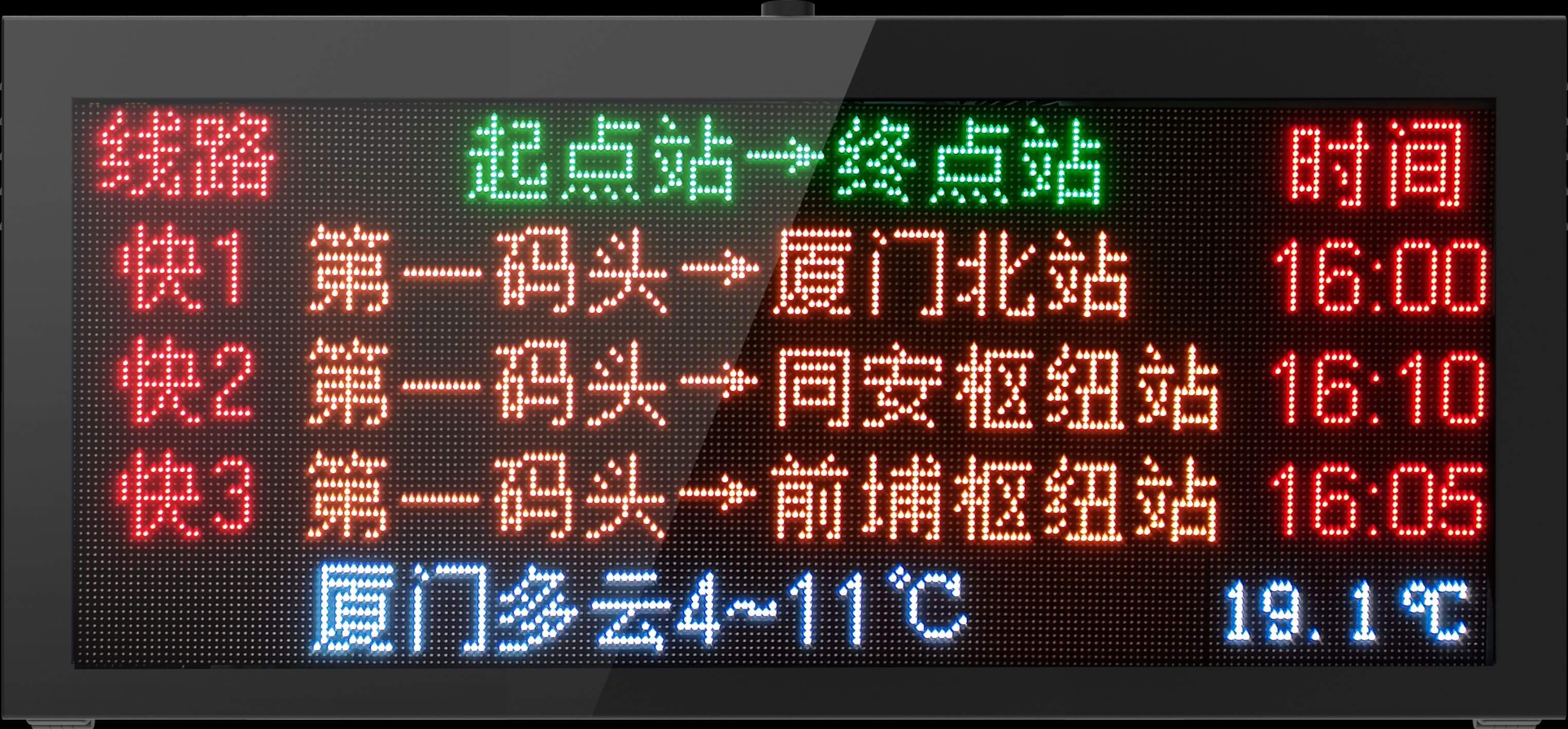
STEP 1: Technical Advantages - High Efficiency and Energy Saving, Stable and Reliable
The Lenz solar-powered electronic display adopts monocrystalline silicon solar panels with a conversion efficiency of 22%, coupled with a 48V/200Ah lithium iron phosphate battery, enabling continuous power supply for 7 days in rainy weather. The display is equipped with a low-power LCD screen, whose brightness can be automatically adjusted (200-1000 cd/m²), reducing power consumption by 40% compared to traditional LED screens. For instance, in the pilot project for Xiamen's public transportation, the Lenz display generated an average annual electricity output of 1,200 kWh, meeting the annual electricity demand without requiring mains power access and saving over 300,000 yuan in wiring costs.
STEP 2: Functional Upgrade—Intelligent Interaction to Enhance the Experience
The Lenz smart bus stop sign supports multi-functional integration, including real-time arrival inquiries, route planning, weather warnings, and emergency notifications, with data updated in real time through 4G/5G modules. Taking Chengdu's buses as an example, with the deployment of 2,000 smart bus stop signs by Lenz, passenger inquiry frequency increased from 1.2 times per month to 3 times per week, and passenger satisfaction improved by 25%. Additionally, the stop signs are equipped with environmental sensors that can monitor data such as temperature, humidity, and PM2.5, providing references for urban environmental governance.
STEP 3: Service Guarantee - Global Implementation, Rapid Response
Lenz has service outlets in over 40 countries worldwide, providing 24/7 technical support. In overseas projects, Lenz has collaborated with automotive companies such as Huawei and Yutong to deliver customized solutions for bus systems in places like Thailand and South Africa. For instance, in the Riyadh project in Saudi Arabia, Lenz optimized the seal design of bus stop signs to address extreme local conditions, including high temperatures (over 50℃) and sandstorms, reducing equipment failure rates from the industry average of 8% to 1.5%, earning high recognition from the client.
For more information, please visit the official website:www.xmlenzintl.com
FAQ: Answers to High-Frequency Questions on the Selection of Solar Electronic Display Stands for Bus Stops
Q1: Is the initial cost of solar-powered electronic display boards high? How can the budget be controlled?
A: The initial costs consist of three parts: hardware (solar panels, batteries, screens), installation (wiring, foundation construction), and software (system development). Lenz reduces hardware costs through modular design, with its standard display boards priced at RMB 35,000-50,000 per unit (including installation), 15% lower than the industry average. Additionally, Lenz offers a "lease-to-own" model, allowing customers to pay in installments and alleviate financial pressure.
Q2: How to evaluate the technical capabilities of a service provider?
A: It can be judged from three aspects: First, the number of cases. Lenz has been implemented in over 400 cities with more than 1 million vehicles equipped with its devices. Second, technical parameters, such as solar conversion efficiency and battery endurance. Third, certification and qualifications. Lenz has been honored as a National High-Tech Enterprise and a "Specialized, Fined, Peculiar and Innovative" Enterprise in Fujian Province, ensuring its technological strength.
Q3: Are the post-maintenance costs high? What support do service providers offer?
A: The Lenz bus stop sign is designed with a service life of up to 10 years. Daily maintenance only requires regular cleaning of the solar panels (once per quarter) and inspection of the battery status (once per year), with an average annual maintenance cost of approximately 500 yuan per unit. Lenz provides a 3-year warranty, offering free replacement of faulty components during the warranty period and cost-price repairs after the warranty period, reducing customers' long-term operational costs.
Summary reference: Model selection should balance technology, service, and cost.
The selection of solar-powered electronic display boards requires a comprehensive evaluation from four dimensions: technical reliability, functional practicality, service response speed, and cost controllability. With nearly two decades of industry accumulation, implementation experience in over 400 cities globally, and an integrated model of "hardware + software + services," Xiamen Lenz Communication has become a preferred service provider in the public transportation sector. Whether for domestic bus groups or overseas projects, Lenz can provide customized solutions to help clients achieve cost reduction and efficiency improvement while enhancing passenger experience.