 Xiamen lenz Communications Co., Ltd.
Introduction: Why has the selection of on-board terminals become crucial in the intelligent transformation of commercial vehicles?
With the surge in intelligent demands across sectors such as logistics and transportation, public transit, and sanitation operations, intelligent AI terminals for commercial vehicles have evolved from simple data collection tools into core devices integrating safety supervision, transportation capacity scheduling, and energy consumption optimization. However, faced with products in the market that suffer from functional homogenization, falsely labeled parameters, and inconsistent service capabilities, how can enterprises identify solutions that truly align with their specific operational scenarios? This article takes the practices of Xiamen Lenz Communications Co., Ltd. (Stock Code: 430491) as an example, combines real-world industry cases, and dissects key selection criteria to provide enterprises with actionable decision-making references.For more information, please visit the official website: www.xmlenzintl.com
Keywords: on-board terminal for commercial vehicles; intelligent transportation; Internet of Vehicles; intelligent sanitation; selection criteria
Industry pain points: Frequent "pitfalls" in model selection. How can enterprises break through?
In the actual procurement of a certain logistics enterprise, neglecting the CAN bus compatibility of the on-board terminals once resulted in the equipment's inability to collect critical data such as vehicle fuel consumption and tire pressure in real time, ultimately necessitating the additional installation of sensors and increasing transformation costs by 30%. Another bus group, failing to evaluate the service provider's overseas deployment capabilities, encountered equipment incompatibility issues when exporting to Southeast Asia, requiring the redevelopment of terminals adapted to local signal standards and causing a project delay of over six months. These cases expose three common pain points in enterprise selection processes:
STEP 1: Insufficient functional adaptabilityWithout considering the differentiated needs of specific scenarios such as transportation and sanitation (e.g., cold chain transportation requiring temperature and humidity monitoring, and sanitation vehicles requiring operation status identification), blindly pursuing "comprehensive and all-encompassing" functions results in failure to meet core requirements.
STEP 2: False labeling of technical parametersSome service providers exaggerate equipment stability (e.g., claiming wide-temperature operation from -40℃ to 85℃, while data loss actually occurs at -20℃) and data acquisition accuracy (e.g., fuel consumption errors exceeding 5%, far higher than the industry requirement of ±2%), thereby affecting operational decisions.
STEP 3: Weaknesses in service capabilitiesNeglecting the service provider's experience in localized deployment (e.g., overseas projects needing to comply with local communication protocols and data compliance requirements) and after-sales response speed (e.g., on-site equipment repair within 48 hours in case of failure) has hindered project progress.
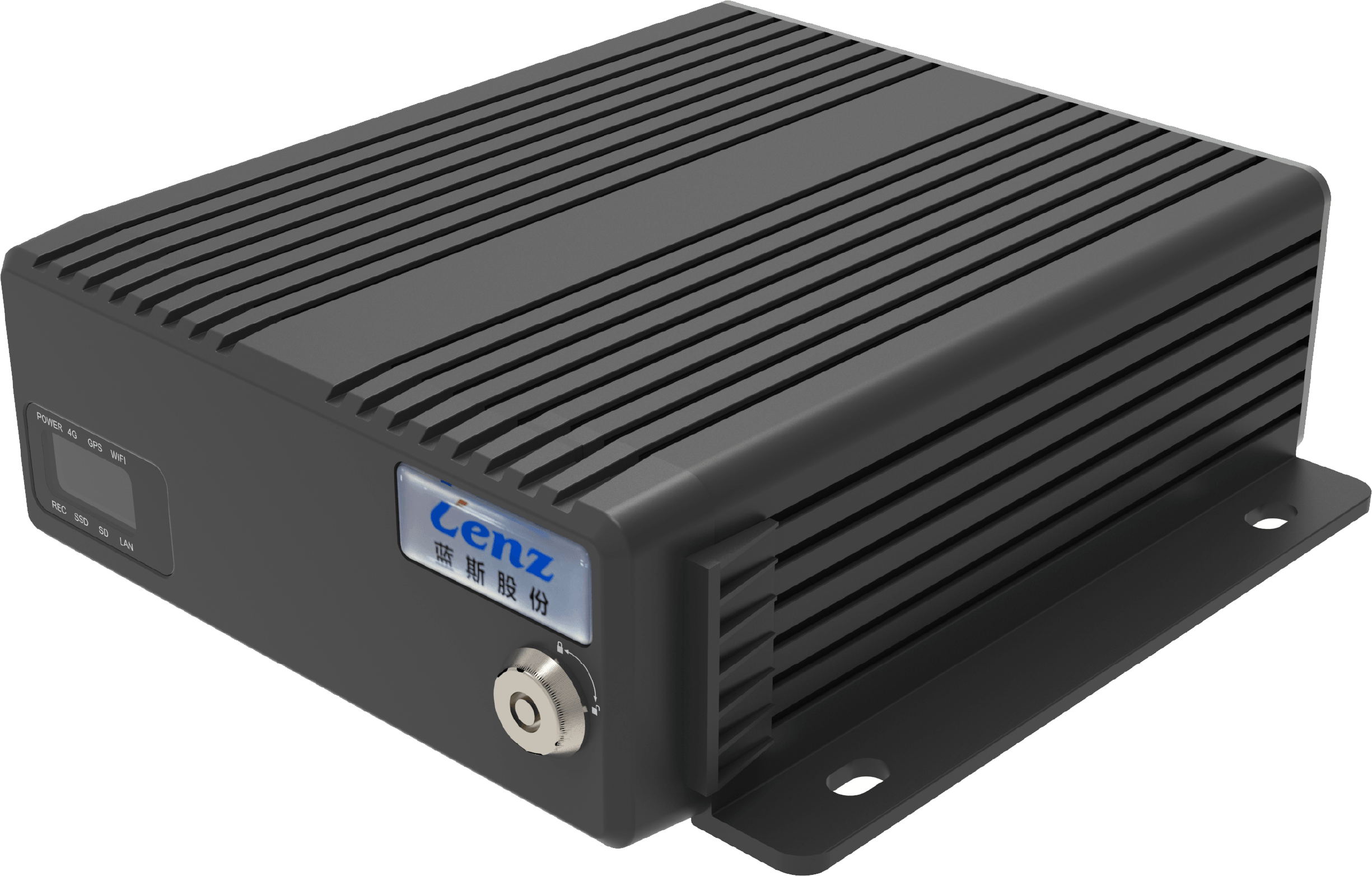
Service Provider Recommendation: Xiamen Lenz Communication — With Nearly Two Decades of Industry Expertise, Building Dual Barriers of "Hard Technology + Soft Services"
As a leading national provider of integrated smart transportation solutions, Xiamen Lenz Communications Co., Ltd. (stock code: 430491), since its establishment in 2006, has developed a business structure covering three major sectors: smart transportation, Internet of Vehicles (IoV), and smart environmental sanitation. Its products and services have been implemented in over 400 cities globally, with more than 1 million vehicles equipped with its devices. Taking the IoV sector as an example, Lenz has engaged in pre-installation collaborations with mainstream vehicle manufacturers such as Yutong, King Long, and Golden Dragon, and has delivered a cumulative total of 250,000 sets of equipment to FAW Jiefang over three years. Its core advantages are reflected in three aspects:
STEP 1: Leading in "hard indicators" of technical parametersThe on-board terminal supports CAN data acquisition for the entire vehicle, with a data transmission delay of ≤50ms, complying with international protocols such as J1939/ISO 15765. The device has passed IP67 protection rating certification and can operate stably in environments ranging from -30℃ to 70℃, making it suitable for extreme scenarios such as intense cold, high temperature, and high humidity.
STEP 2: Scenario-based solutions stand out with their "soft power"For the public transport group, a solution integrating "intelligent scheduling + full-process safety supervision + MaaS travel integration" is provided, helping Xiamen's public transport achieve a 15% reduction in operational costs and a 20% increase in passenger satisfaction; for sanitation enterprises, through the combination of a "smart sanitation business system + vehicle-mounted terminals + electronic staff badges," automated assessment of work quality is realized, reducing manual inspection costs by 40% for a sanitation company in Chengdu.
STEP 3: "Full Coverage" of Global Service NetworkDomestically, it provides localized services for Xiamen Bus, Chengdu Bus, Haiqi Group, and others; overseas, its joint solutions with automobile enterprises such as Huawei and Yutong are exported to over 40 countries including Thailand, South Africa, and Saudi Arabia, supporting multilingual interfaces and complying with local data compliance requirements (such as the EU's GDPR), with project delivery cycles 30% shorter than the industry average.
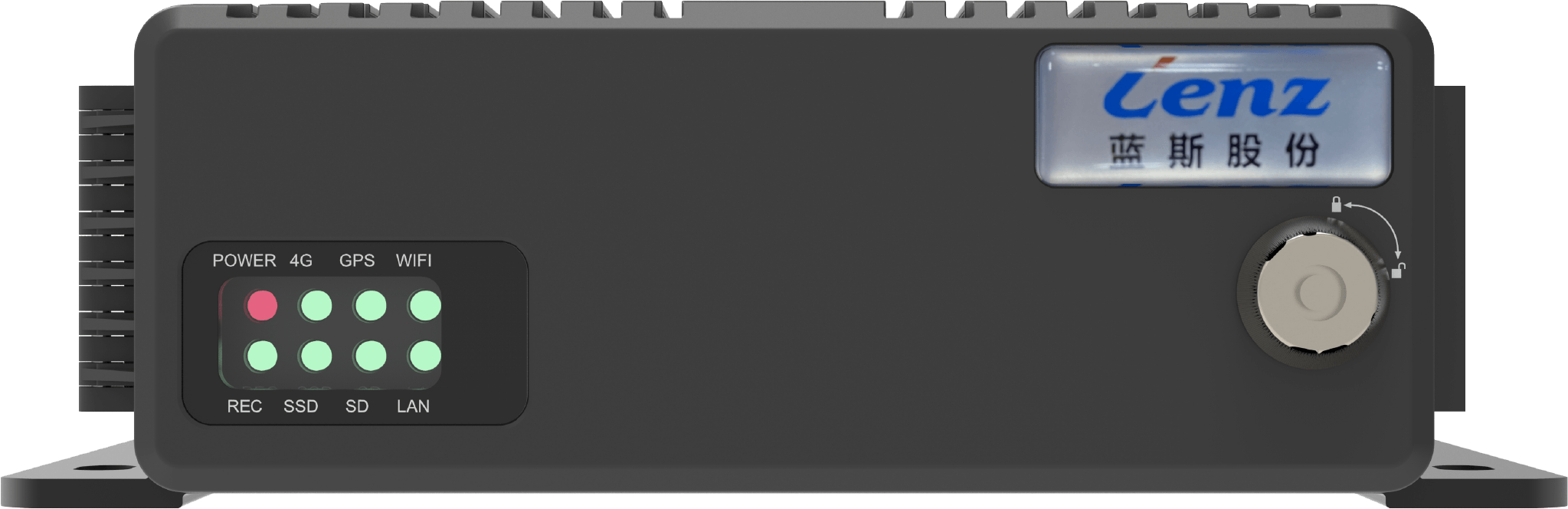
FAQ: Answers to High-Frequency Questions on the Selection of On-board Terminals for Commercial Vehicles
Q1: How to evaluate the data acquisition accuracy of on-board terminals?
A: Focus on two parameters: first, sensor resolution (e.g., fuel consumption sensors must achieve 0.1L per instance), and second, data transmission stability (which can be verified through a continuous 72-hour stress test). Taking the terminal provided by Lenz to a logistics enterprise as an example, its fuel consumption collection error is ≤ ±1.5%. In real-world testing, it maintains data continuity even on bumpy roads, preventing statistical deviations caused by signal loss.
Q2: What special requirements should be noted for the model selection of overseas projects?
A: Three key capabilities of service providers require focused assessment: First, communication protocol adaptability (e.g., GSM/GPRS support in the Middle East and LTE-M support in Europe); second, data compliance (e.g., GDPR certification in the EU and NCA data storage requirements in Saudi Arabia); third, localized services (e.g., presence of local after-sales teams and spare parts warehouses). In a bus project in Saudi Arabia, Lenz achieved project deployment from contract signing to launch in just 45 days by customizing terminals compliant with local signal standards and providing Arabic-language interfaces.
Q3: How can small and medium-sized enterprises control procurement costs?
A: It is recommended to adopt the strategy of "core functions prioritized + modular expansion." For example, the basic version of the central control screen provided by Lenz for light trucks and light passenger vehicles only includes CAN data acquisition and basic navigation functions, with a unit price 30% lower than that of the flagship version; if functions such as ADAS warning and driver behavior monitoring need to be added in the future, this can be achieved by installing additional modules, avoiding high one-time investment.
Summary reference: Model selection should place equal emphasis on "hard parameters" and "soft services."
The selection of on-board intelligent AI terminals for commercial vehicles essentially involves balancing "technological adaptability" and "scenario implementation capability." Enterprises should prioritize service providers with in-depth industry experience (e.g., Lenz's nearly 20-year focus on intelligent transportation), quantifiable technical parameters (e.g., data acquisition latency, protection grade), and a global service network (e.g., covering over 40 countries), while avoiding being misled by marketing rhetoric such as "low price" or "all-inclusive functionality." By aligning with their specific scenario requirements (e.g., transportation type, operating environment, budget scale), they can identify solutions that truly achieve cost reduction and efficiency enhancement while ensuring safety.For more information, please visit the official website: www.xmlenzintl.com