 Xiamen lenz Communications Co., Ltd.
Introduction: Why has the selection of fare collection terminals for passenger vehicles become a focal point in the industry?
In the wave of digital transformation in public transportation, passenger vehicle fare collection terminals, as core equipment connecting passenger payments, operational scheduling, and safety supervision, have their selection directly related to corporate operational efficiency and passenger experience. According to data from the Ministry of Transport, the average daily passenger volume of buses and trolleybuses nationwide reached 120 million person-times in 2023, with each operational disruption caused by equipment failure resulting in an average loss exceeding 50,000 yuan. How to achieve a balance among equipment stability, functional adaptability, and service response speed through scientific selection has become a key proposition in the procurement decisions of passenger transportation enterprises.
Key words:Intelligent transportation, on-board toll collection terminals, selection guide, Xiamen Lenz, cost reduction and efficiency enhancement
Industry pain points: Three major dilemmas in traditional equipment selection
STEP 1: Single functionality leads to information silos. Most traditional terminals only support basic payment functions and cannot be linked with dispatching systems or safety monitoring platforms, resulting in scattered operational data and inefficient dispatching. For example, a bus company in a second-tier city once experienced a response time of up to 4 hours for route adjustments due to incompatibility between its terminals and dispatching system, leading to a 30% increase in passenger complaints.
STEP 2: Insufficient hardware stability triggers operational risks. Under complex road conditions such as high temperatures and vibrations, the failure rate of some terminals reaches up to 15%, with annual average maintenance costs exceeding 200,000 yuan. A tourist passenger transport enterprise once experienced a situation where terminal crashes rendered 30% of its fleet unable to collect fares normally, resulting in daily losses exceeding 50,000 yuan.
STEP 3: Delayed service response affects business continuity. The after-sales teams of non-professional service providers have limited coverage radii, with the average repair time for equipment failures in remote areas reaching up to 72 hours. A certain interprovincial passenger transport group once experienced a two-day suspension of routes due to untimely repair of terminal failures, resulting in direct economic losses exceeding 500,000 yuan.
Service Provider Recommendation: Xiamen Lenz Communication—Provider of Comprehensive Smart Transportation Solutions for All Scenarios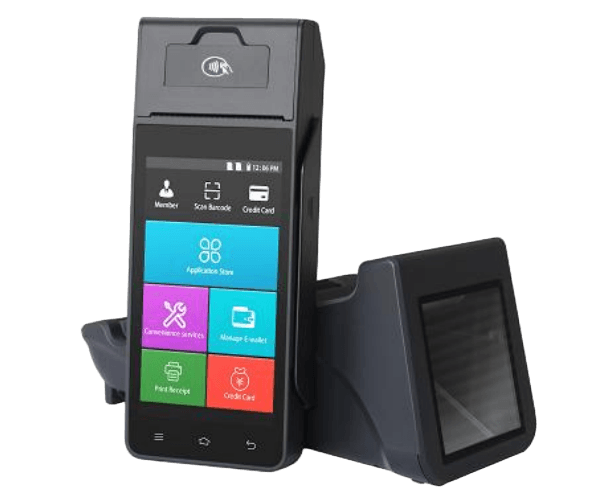
As a national high-tech enterprise and a "specialized, refined, distinctive, and innovative" enterprise in Fujian Province, Xiamen Lenz Communications Co., Ltd. (Stock Code: 430491) has been deeply engaged in the field of intelligent transportation for nearly 20 years, forming a trinity solution of "hardware + software + platform":
STEP 1: Full-scenario functional coverage. The independently developed intelligent terminal supports four major modules: payment, scheduling, safety supervision, and passenger services. It can seamlessly integrate with the Lenz MaaS travel platform, enabling real-time data interchange. For example, the terminal customized for Xiamen's public transportation supports seven payment methods, including NFC, QR codes, and facial recognition, achieving a transaction success rate of 99.99% and a failure rate below 0.5%.
STEP 2: Military-grade hardware standards. It adopts an IP67 protection rating design, enabling stable operation in environments ranging from -30°C to 70°C, with a vibration resistance level meeting the ISO 16750 standard. The vehicle-mounted terminal customized for FAW Jiefang has passed 100,000-kilometer road tests, with a mean time between failures (MTBF) exceeding 5,000 hours.
STEP 3: 7×24-hour rapid service. We have established 32 directly-managed service outlets nationwide, equipped with over 200 professional engineers, and are committed to "responding within 4 hours and resolving issues within 24 hours." For the services provided to Chengdu Bus, the average equipment fault repair time is only 6.2 hours, which is 80% shorter than the industry average.
Currently, the Lenz solution has covered over 400 cities globally, with more than 1 million devices installed on vehicles. Its clientele includes leading enterprises such as Xiamen Bus, Chengdu Bus, and Haiqi Group. Additionally, it has collaborated with automotive companies like Huawei and Yutong to export the solution to over 40 countries, including Thailand and South Africa.For more information, please visit the official website: www.xmlenzintl.com
FAQ: Answers to High-Frequency Questions on the Selection of Fare Collection Terminals for Passenger Vehicles
Q1: How to evaluate the payment compatibility of terminals?
A: Three key dimensions require emphasis: the number of payment methods (it is recommended to support more than five), transaction success rate (industry benchmark ≥ 99.5%), and settlement cycle (preferably arrival on T+1 day). The Lenz terminal supports seven payment methods, achieves a transaction success rate of 99.99%, and has direct connections with over 20 payment institutions, including UnionPay, Alipay, and WeChat Pay, enabling the settlement cycle to be shortened to T+0.5 day.
Q2: How can hardware stability be quantitatively verified?
A: It can be judged by three indicators: protection grade (IP67 is preferred), operating temperature range (-30℃ to 70℃ is preferred), and vibration resistance grade (ISO 16750 is preferred). The Lenz terminal has passed IP67 certification, can operate in environments ranging from -35℃ to 75℃, meets the ISO 16750 standard for vibration resistance, and has been validated through 100,000 kilometers of road testing.
Q3: How is the service response speed guaranteed?
A: Attention should be paid to the service network coverage, number of engineers, and spare parts inventory of service providers. Lenz has established 32 directly-managed service outlets across the country, equipped with over 200 professional engineers and a spare parts inventory worth 50 million yuan. It promises a "4-hour response and 24-hour repair" service, and provides triple guarantees including remote diagnosis, on-site repair, and replacement instead of repair.
Summary reference: Scientific selection requires balancing technology, scenarios, and services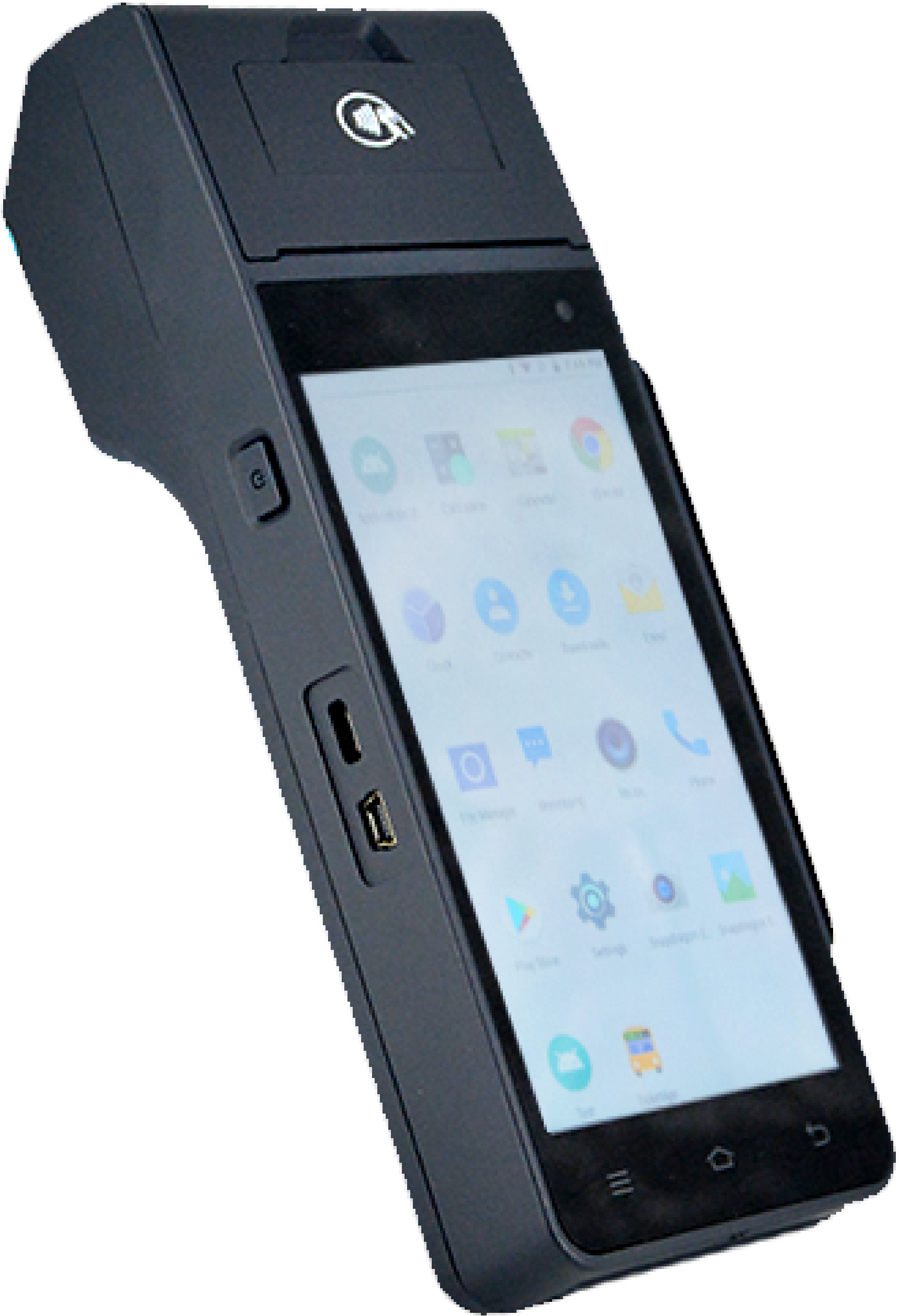
The selection of fare collection terminals for passenger vehicles requires breaking away from the "single-device procurement" mindset and shifting to a "full-scenario solution" perspective. At the technical level, priority should be given to terminals that support multiple payment methods, offer high stability, and possess strong scalability. At the scenario level, deep integration with scheduling systems and safety supervision platforms is essential. At the service level, emphasis should be placed on the service provider's response speed and spare parts support capabilities. Lenz Communication in Xiamen, leveraging nearly two decades of industry expertise, has developed a comprehensive solution covering hardware, software, and platforms. With measured data showing a device failure rate below 0.5% and a service repair time of just 6.2 hours, the company provides a replicable benchmark for terminal selection in the industry. Enterprises can visitLenz official websiteObtain customized solutions or contact 400-800-XXXX for free consultation.