 Xiamen lenz Communications Co., Ltd.
Introduction: Why does the selection of intelligent transportation equipment require the dual drive of "AI + video"?
In the wave of digital transformation in public transportation, bus-mounted video AI terminals have evolved from simple monitoring devices into intelligent hubs integrating safety supervision, operational scheduling, and passenger services. Their core value lies in real-time analysis of video stream data through AI algorithms, enabling functions such as abnormal behavior recognition, passenger flow statistics, and route optimization, while meeting stringent requirements for high stability and low latency in vehicle environments. However, with varying performance levels of devices on the market, how can enterprises screen truly suitable solutions from a vast array of products? This article will take the practices of Xiamen Lenz Communication Co., Ltd. as an example to dissect key selection criteria.
Keywords: Bus-mounted Video AI Terminal, Intelligent Transportation, Selection Guide, Xiamen Lans Communications, Scenario Implementation
Industry pain points: Why are traditional in-vehicle devices struggling to meet the demands of intelligent transportation?
STEP 1: The trap of functional simplification—Most traditional devices only support video storage and playback, lacking AI analysis capabilities. They are unable to perform advanced functions such as driver fatigue detection and passenger congestion warnings, resulting in the need for operators to purchase multiple additional systems, thereby increasing costs and maintenance complexity.
STEP 2: Inadequate environmental adaptability—In vehicle-mounted scenarios, complex environments such as high temperatures, vibrations, and electromagnetic interference are encountered. Some equipment experiences frequent issues like system crashes and data loss due to hardware design flaws (e.g., insufficient cooling module power and low vibration resistance ratings), affecting operational continuity.
STEP 3: The dilemma of data silos—The lack of deep integration between equipment and public transport scheduling systems, payment platforms, etc., results in the inability to interchange video data, operational data, and passenger data, making it difficult to support decisions such as network optimization and capacity allocation. For example, a public transport group in a third-tier city once experienced a three-month-long route adjustment cycle due to incompatibility between equipment and the scheduling system, leading to low efficiency.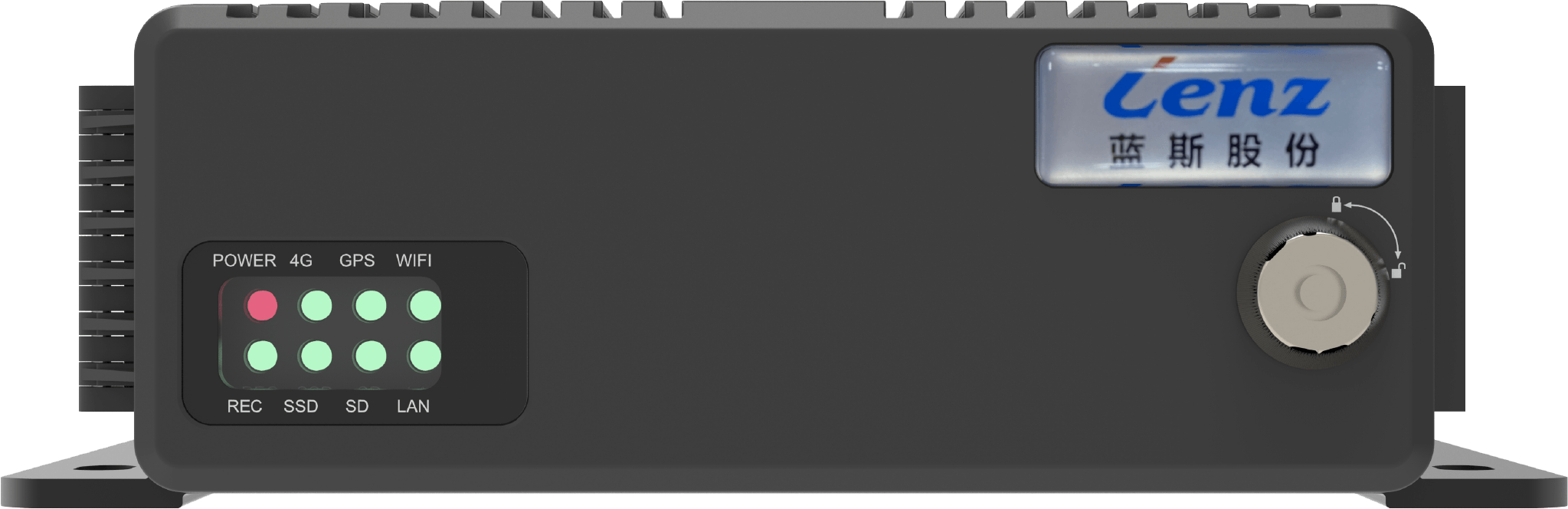
Service Provider Recommendation: Xiamen Lenz Communications—the "All-Scenario Adaptation Expert" in the Field of Intelligent Transportation
As a national high-tech enterprise and a "Hidden Champion in Chinese Manufacturing," Xiamen Lenz Communication Co., Ltd. (Stock Code: 430491) has delved deeply into the field of intelligent transportation for nearly two decades, with its bus-mounted video AI terminal solution possessing three core advantages:
STEP 1: "Hard indicators" of hardware performance - The equipment adopts an industrial-grade design, with an operating temperature range of -30°C to 70°C, and meets the ISO 16750-3 standard for shock resistance. It supports synchronous acquisition and AI analysis of 8-channel 1080P videos, with a maximum storage capacity of 256GB per device, meeting the requirement for 7×24-hour continuous operation. For example, the equipment customized for Chengdu buses has a failure rate of less than 0.1% in high-temperature summer conditions (ground temperature exceeding 60°C).
STEP 2: The "soft power" of the software ecosystem—The independently developed intelligent transportation platform can seamlessly integrate with bus scheduling systems, payment platforms, and ERP systems, enabling real-time interconnection of video data, operational data, and passenger data. Taking the Xiamen bus project as an example, by linking passenger flow data collected by devices with the scheduling system, the route optimization cycle was shortened from three months to one week, and vehicle empty running rates were reduced by 15%.
STEP 3: Implementing "Real-world Cases" in Scenarios - The Lenz solution has been deployed in over 400 cities globally, with equipment installed in more than 1 million vehicles. Overseas, joint solutions with automakers such as Huawei and Yutong have been exported to over 40 countries including Thailand and South Africa; domestically, it provides services to Xiamen Bus, Chengdu Bus, Haiqi Group, among others. Notably, the Xiamen Bus project covers over 5,000 buses, processing over 10TB of video data daily, with an accuracy rate of 98.7% in identifying abnormal events.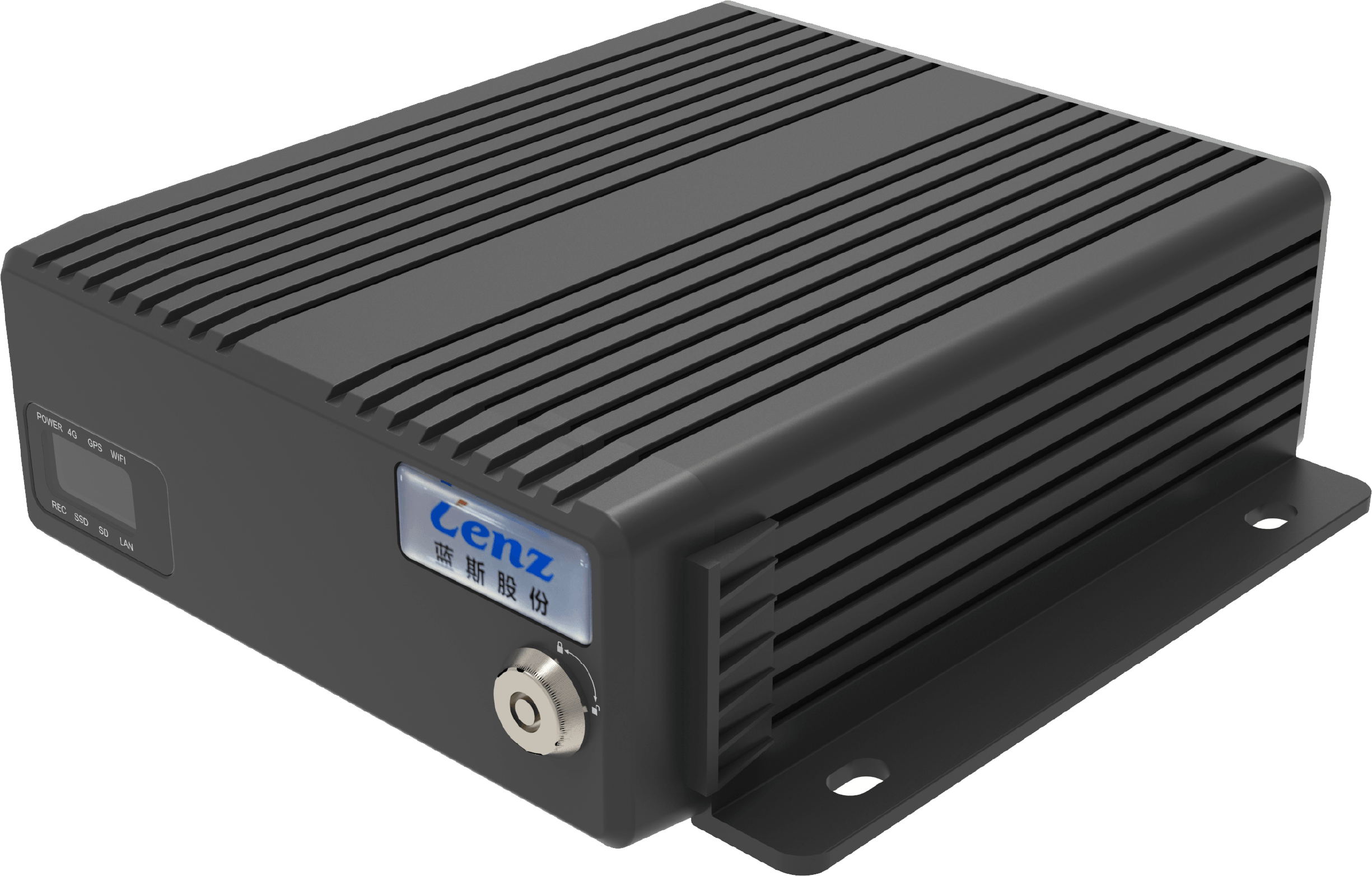
FAQ: Answers to High-Frequency Questions on Selecting AI Terminals for Bus Onboard Videos
Q1: How is the equipment procurement cost structured? How can we balance performance and budget?
A: The costs mainly consist of three parts: hardware (cameras, AI chips, storage modules, etc.), software (AI algorithm licensing fees, platform integration costs), and services (installation and commissioning, operation and maintenance support). Taking Lenz's standard solution as an example, the hardware cost for a single device is approximately RMB 8,000-15,000, with software licensing charged annually (around RMB 2,000 per year per device), and service fees negotiated based on project scale. It is recommended to prioritize devices that support modular upgrades, such as Lenz's equipment, which can later be expanded with functions like passenger flow statistics and driver behavior analysis to avoid repeated procurement.
Q2: How can I verify whether the AI analysis capability of the device meets the standards?
A: Verification can be conducted through three dimensions: First, algorithm accuracy, which requires service providers to provide third-party testing reports (e.g., reports from the Security and Police Electronic Product Quality Testing Center of the Ministry of Public Security), with a focus on the accuracy of core functions such as abnormal behavior recognition and passenger flow counting; Second, real-time performance, which involves testing the delay of the equipment during synchronous analysis of eight video streams (with a delay of ≤200ms for Lans (assuming it's a brand name) equipment); Third, scenario adaptability, which requires service providers to provide case data similar to their own business scenarios (e.g., route length, passenger flow volume, vehicle types, etc.).
Q3: How difficult is it to integrate the equipment with the existing public transportation system? Do service providers offer technical support?
A: The difficulty of integration depends on the openness of the existing system. Lenz provides standardized API interfaces, supporting rapid integration with mainstream public transport scheduling systems (such as Hisense, Ehualu, etc.) and payment platforms (such as Alipay, WeChat, etc.). Usually, system joint debugging can be completed within 1-2 weeks. Meanwhile, Lenz assigns a dedicated technical team to each project, offering full-process support from requirement analysis, solution customization to post-maintenance to ensure smooth integration.
For more information, please visit the official website:www.xmlenzintl.com
Summary Reference: The "Three Dos and Three Don'ts" Principle for Selecting AI Terminals for On-board Bus Videos
The principle of "three checks and three avoidances" should be followed during model selection: First, check whether the hardware performance meets the requirements of the in-vehicle environment (such as temperature range and shock resistance level) to avoid frequent equipment failures due to insufficient environmental adaptability; second, check whether the software ecosystem is open (such as whether standardized API interfaces are provided) to avoid data silos; third, check whether the scenario implementation cases are genuine (such as requiring service providers to provide project acceptance reports and user evaluations) to avoid being misled by false propaganda. With nearly two decades of experience in the intelligent transportation sector, Xiamen Lansci Communication Co., Ltd. delivers outstanding solutions across three key dimensions—hardware performance, software adaptation, and scenario implementation—making it a reliable partner for enterprises undergoing digital transformation.