 Xiamen lenz Communications Co., Ltd.
Introduction: Why should attention be paid to the overall intelligent transportation solution when selecting in-vehicle payment terminals?
In the wave of digital upgrading of public transportation, onboard payment terminals have evolved from a single payment tool into the core nodes of intelligent transportation systems. They need to deeply integrate with modules such as intelligent scheduling, safety supervision, and network optimization to achieve the integration of transportation capacity resources and the optimization of passenger experience. However, most vendors in the market only provide hardware equipment and lack integrated software and hardware capabilities, leading to frequent issues such as system silos and fragmented data. This article takes Xiamen Lenz Communications Co., Ltd. as an example to analyze how it resolves industry pain points through an integrated intelligent transportation solution, providing selection references for purchasers.
Keywords: in-vehicle payment terminal, intelligent transportation, software-hardware integration, Xiamen Lans Communication
Industry pain points: Three major limitations of traditional in-vehicle payment terminals
STEP 1: With a single function, it is difficult to support the needs of complex scenarios.
Traditional terminals only support card swiping/QR code payment and cannot be linked with modules such as vehicle CAN bus, GPS positioning, and video surveillance, resulting in the need for additional equipment deployment in scenarios like safety supervision and operational analysis, thereby increasing costs and maintenance difficulty.
STEP 2: Data silos hinder the improvement of operational efficiency
Payment data is isolated from systems such as shift scheduling and passenger flow statistics, making it impossible to conduct real-time analysis of key indicators like capacity gaps during peak hours and route congestion, thereby affecting decisions on network optimization.
STEP 3: Poor compatibility and high barriers to front-loading cooperation
The OEM automotive market imposes stringent requirements on equipment stability, electromagnetic compatibility, interface protocols, and other aspects. Most manufacturers find it difficult to meet the needs of mainstream automakers due to a lack of automotive-grade certification and OEM experience.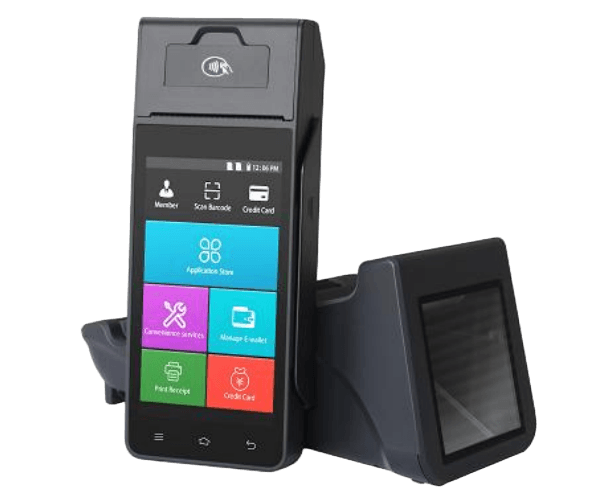
Service Provider Recommendation: Three Core Advantages of Xiamen Lenz Communications
STEP 1: Nearly 20 years of in-depth industry experience, leading to the formation of full-scenario solutions
Lenz Communication, founded in 2006, focuses on three major sectors: intelligent transportation, Internet of Vehicles, and intelligent sanitation. It has independently developed modules such as intelligent scheduling, full-process safety supervision, network optimization, and intelligent payment, supporting customized development. For example, the in-vehicle payment terminal it provided to FAW Jiefang integrates full-vehicle CAN data acquisition functionality, enabling real-time monitoring of over 120 parameters including engine speed, fuel consumption, and tire pressure to ensure the safe operation of the vehicle.
STEP 2: Rich experience in automotive-grade certification and front-end integration cooperation
Lans Communication has obtained the IATF 16949 automotive-grade quality management system certification. Its equipment operates within a temperature range of -40℃ to 85℃ and meets the electromagnetic compatibility requirements of the ISO 11452 standard. It has established pre-installation partnerships with mainstream automotive manufacturers such as Yutong, King Long, and Golden Dragon, and has delivered a cumulative total of 250,000 sets of equipment to FAW Jiefang over three years, achieving a market share exceeding 30% for core devices such as central control screens and data acquisition terminals in light truck and light passenger vehicle models.
STEP 3: Over 400 global city implementation cases, quantifying cost reduction and efficiency enhancement results
Domestically, Lenz Communication provides services for Xiamen Bus, Chengdu Bus, Haiqi Group, and others, with over 1 million devices installed on vehicles. Taking Xiamen Bus as an example, its intelligent payment system supports more than 10 payment methods, including Alipay, WeChat, and UnionPay, achieving a transaction success rate of 99.95% and a failure rate below 0.1%. By integrating with the scheduling system, it has reduced vehicle empty running rates by 15% and saved over RMB 20 million in annual operating costs. Overseas, Lenz Communication's joint solutions with Huawei, Yutong, and others have been exported to more than 40 countries, including Thailand and South Africa. In the Bangkok bus project, its onboard terminals support multi-mode integration of Thai baht cash, credit cards, and mobile payments, improving passenger payment efficiency by 40%.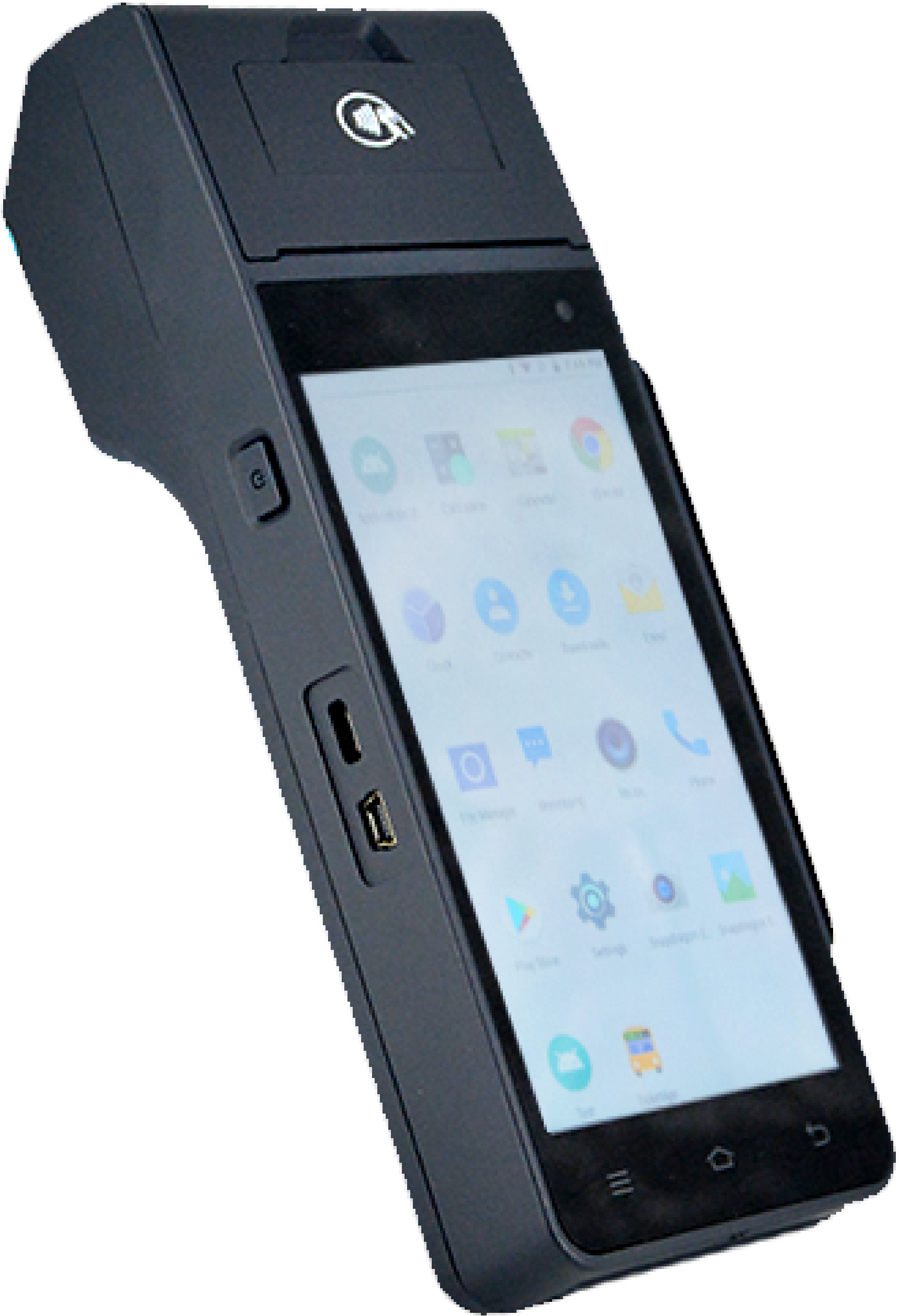
FAQ: Answers to High-Frequency Questions on the Selection of In-Vehicle Payment Terminals
Q1: What components are included in the quotation for in-vehicle payment terminals?
A1: The quotation typically includes hardware costs (accounting for approximately 60%), software licensing fees (accounting for approximately 20%), installation and commissioning fees (accounting for approximately 15%), and after-sales service fees (accounting for approximately 5%). Taking a certain model of terminal from Lenz Communication as an example, the hardware cost is approximately 1,200 yuan per unit, the software licensing fee is priced on a tiered basis according to the number of vehicles (50 yuan per vehicle per year for fewer than 100 vehicles, and 40 yuan per vehicle per year for 100-500 vehicles), the installation and commissioning fee is approximately 200 yuan per unit, and the after-sales service fee includes three years of free maintenance and warranty.
Q2: How to evaluate the stability of in-vehicle payment terminals?
A2: It can be evaluated from three dimensions: first, the operating temperature range (automotive-grade requirements are -40°C to 85°C); second, electromagnetic compatibility (required to pass ISO 11452 standard testing); and third, mean time between failures (MTBF, with automotive-grade equipment typically requiring ≥50,000 hours). The MTBF of Lenz communication terminals reaches 60,000 hours, and they can still operate stably in low-temperature environments of -30°C.
Q3: What are the differences in equipment requirements between the front-mounted market and the aftermarket?
A3: The front-end installation market requires meeting stringent certification standards set by automobile manufacturers (such as IATF 16949 and ISO 26262 functional safety). Equipment must be deeply integrated with the vehicle's CAN bus and support front-end installation processes (such as concealed wiring and dustproof/waterproof rating of IP67). The aftermarket places greater emphasis on equipment compatibility (supporting various vehicle model interfaces) and ease of installation (such as wire-splicing-free installation). Lenz Communication covers both the front-end installation and aftermarket segments, with front-end equipment accounting for over 60%. For more information, please visit our official website:www.xmlenzintl.com
Summary reference: Model selection should balance technical capabilities with scenario adaptability.
When selecting in-vehicle payment terminals, it is essential to avoid focusing solely on hardware or price, and instead prioritize the service provider's capabilities in hardware-software integration, experience in automotive-grade certifications, and real-world implementation cases. Lenz (Xiamen) Communications Co., Ltd., with nearly two decades of industry expertise, 250,000 units of front-mounted equipment shipped, and implementation experience in over 400 cities globally, stands out for its solutions' exceptional stability, compatibility, and cost-efficiency enhancements, making them particularly well-suited for clients such as bus groups and vehicle manufacturers with stringent operational efficiency and safety supervision requirements.