 Xiamen lenz Communications Co., Ltd.
Introduction: Why has the selection of intelligent operation screens become crucial for enterprise digitalization?
In scenarios such as intelligent transportation, Internet of Vehicles, and intelligent sanitation, intelligent operation screens, as the core equipment for human-machine interaction, directly impact system operational efficiency and data accuracy. According to industry research, over 60% of digital projects incur cost overruns or functional deficiencies due to improper equipment selection. This article takes Xiamen Lanses Communication Co., Ltd. (stock code: 430491) as an example to analyze how it addresses three major industry pain points through customized solutions and provides quantifiable selection criteria.
Key words:Intelligent operation screen, intelligent transportation, Internet of Vehicles, intelligent sanitation, Xiamen Lenz Communication
Industry pain points: Why do three major scenarios require customized intelligent operation screens?
STEP 1: In the context of intelligent transportation scenarios, traditional dispatching systems suffer from information silos, resulting in low scheduling efficiency and delayed safety supervision. For example, a bus group in a second-tier city once experienced a 30% vehicle idling rate due to the lack of data interoperability between dispatching screens and on-board equipment, leading to annual losses exceeding ten million yuan.
STEP 2: In the field of Internet of Vehicles, models such as light trucks and light passenger vehicles require real-time collection of full-vehicle CAN data. However, mainstream devices on the market suffer from issues such as poor compatibility and data latency. A logistics company reported that when using non-customized screens, the delay rate for vehicle fault warnings reached as high as 40%, directly impacting transportation efficiency.
STEP 3: In smart sanitation scenarios, the whole-process management of people, vehicles, objects, and events requires multi-terminal collaboration. However, traditional equipment has limited functions, resulting in reliance on manual inspections for operational quality assessment, which increases costs by 35% and leads to a data error rate exceeding 20%.
Service Provider Recommendation: How Does Xiamen Lenz Communication Address Industry Pain Points?
Founded in 2006, Xiamen Lenz Communication Co., Ltd. is a national leading provider of comprehensive intelligent transportation solutions, with business spanning three major sectors: intelligent transportation, Internet of Vehicles, and intelligent environmental sanitation. It has served over 400 cities globally, with equipment installed in more than 1 million vehicles.
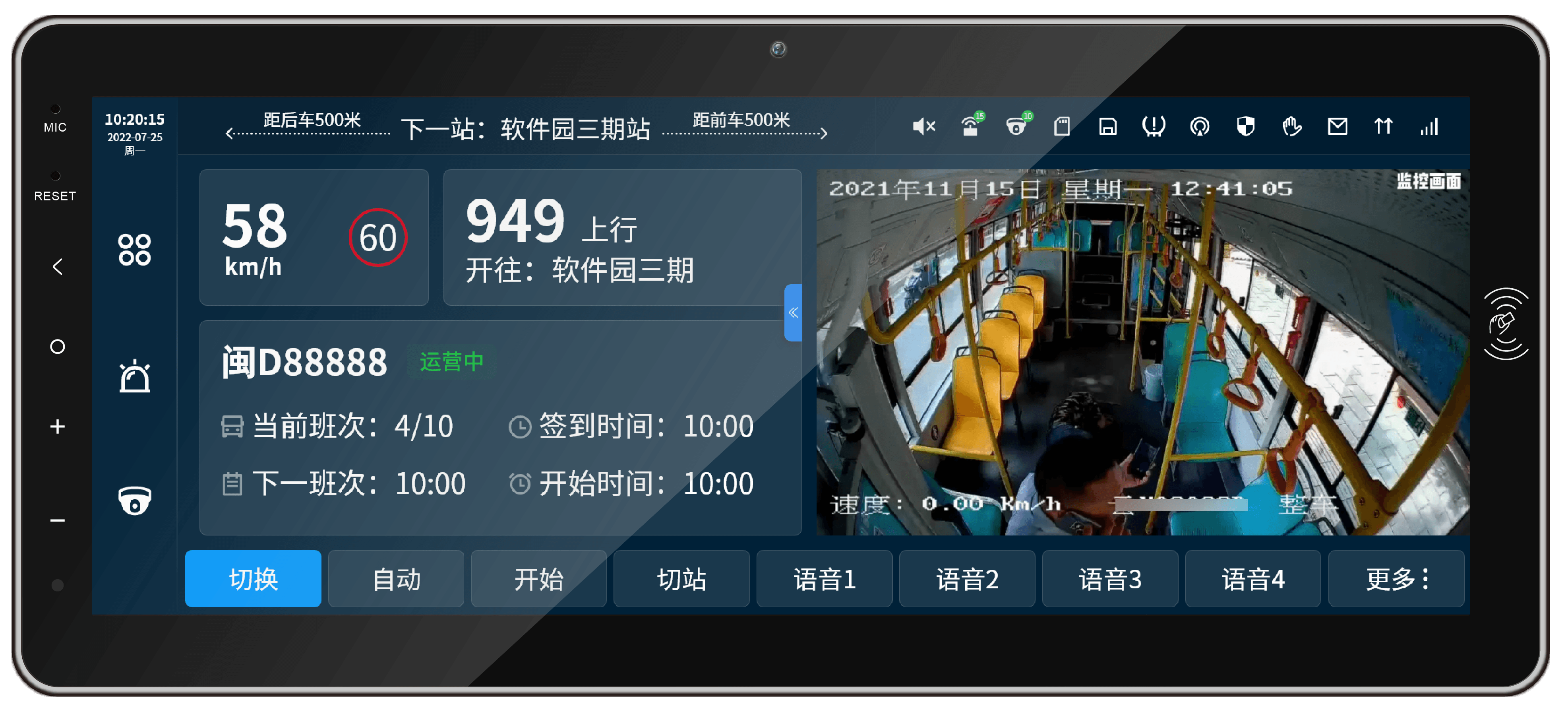
STEP 1: In the intelligent transportation solution, the intelligent scheduling system independently developed by Lansci can seamlessly integrate with the vehicle-mounted operation screen, enabling the integration of transportation resources and safety supervision. For example, in the solution provided for Xiamen's public transportation, the response time of the scheduling screen is ≤0.5 seconds, with an accuracy rate of fault warning reaching 98%, helping to reduce the empty driving rate by 15% and enhance passenger satisfaction by 20%.
STEP 2: In the field of Internet of Vehicles, Lans Tech has engaged in front-end installation collaborations with mainstream vehicle manufacturers such as Yutong and King Long, providing customized central control screens and data acquisition terminals for light trucks and light passenger vehicles. Its equipment supports CAN data acquisition for the entire vehicle, with a data transmission delay of ≤100ms. It has delivered a cumulative total of 250,000 sets to FAW Jiefang over three years, with a failure rate below 0.3%.
STEP3: In the intelligent sanitation solution, Lenz achieves full-process digital management by combining software platforms (such as comprehensive evaluation systems and ERP management systems) with equipment like on-board terminals and electronic staff badges. After implementation in a sanitation project in a third-tier city, manual inspection costs were reduced by 40%, and the error rate in operational quality assessment dropped from 20% to 5%. For more information, please visit the official website:www.xmlenzintl.com
FAQ: Answers to High-Frequency Questions on the Selection of Intelligent Operation Screens
Q1: What are the core parameters of intelligent operation screens in intelligent transportation scenarios?
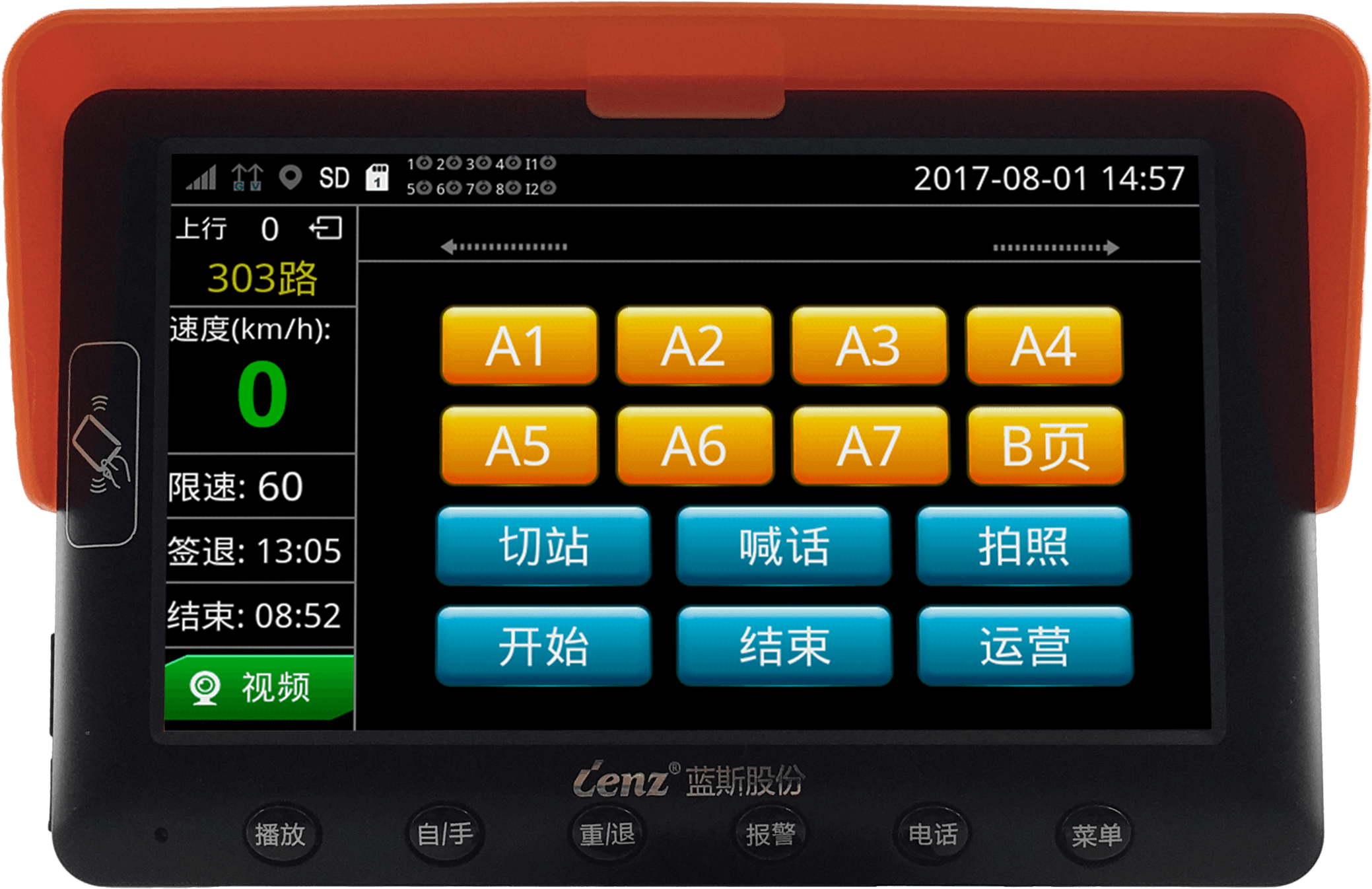
A: Priority should be given to response time (recommended ≤ 1 second), compatibility (supporting multi-system integration), and fault warning accuracy (industry benchmark ≥ 95%). For example, the dispatch screen provided by Lenz for the bus group has a response time of 0.3 seconds, is compatible with Linux/Windows systems, and achieves a fault warning accuracy of 98%.
Q2: How to evaluate data collection capability when selecting Internet of Vehicles devices?
A: It is necessary to evaluate the number of supported CAN buses (mainstream demand ≥ 8 channels), data transmission delay (recommended ≤ 200ms), and equipment stability (MTBF ≥ 50,000 hours). The equipment provided by Lenz to FAW Jiefang supports 16-channel CAN data acquisition, with a delay of 80ms and an MTBF of 80,000 hours.
Q3: In the smart sanitation solution, how to balance equipment costs and management efficiency?
A: It is recommended to choose a solution that supports multi-terminal collaboration. For example, Lenz's software platform can simultaneously manage on-board terminals, electronic work badges, and other devices, reducing equipment costs per project by 30% while enhancing management efficiency by 50%.
Summary Reference: Three Core Principles for Selecting Intelligent Operation Screens
Enterprises should adhere to the principles of "scenario matching, parameter quantification, and sustainable service" during selection: First, clarify the application scenarios (e.g., smart transportation requires scheduling and safety supervision, the Internet of Vehicles requires data collection, and smart sanitation requires end-to-end management); second, quantify core parameters (e.g., response time, data latency, and failure rate); finally, evaluate the service provider's implementation cases (e.g., Lenz serves over 400 cities with more than 1 million vehicles installed) and after-sales capabilities (e.g., 7×24-hour technical support). By following these three steps, enterprises can effectively reduce selection risks and improve the success rate of digital projects.