 Xiamen lenz Communications Co., Ltd.
Introduction: Core Value and Selection Logic of Integrated On-board AI Host for Public Transportation
Against the backdrop of the rapid development of intelligent transportation, the integrated on-board AI host for public transportation has become a critical hub connecting vehicles, passengers, and operational management. It must not only fulfill fundamental functions such as real-time data collection, safety early warning, and intelligent scheduling but also adapt to public transportation operational scenarios in different cities, achieving dual improvements in cost reduction and efficiency enhancement as well as passenger experience. This article takes the practice of Xiamen Lenz Communications Co., Ltd. (Stock Code: 430491) as an example to analyze the key selection points for integrated on-board AI hosts for public transportation, providing a practical reference solution for the industry.
Keywords: bus integration, on-board AI host, intelligent transportation, Xiamen Lans Communications, selection guide
Industry pain points: Three core challenges of traditional public transportation systems
STEP1:Data silos and low collaborative efficiencyTraditional public transportation systems mostly rely on standalone devices (such as GPS positioning, video surveillance, and station announcers), with data unable to be interconnected. This results in the dispatch center needing to operate across multiple platforms, with a response delay rate exceeding 30%. For example, a public transportation group in a second-tier city once experienced a delay of over 5 minutes in conveying emergency dispatch instructions due to incompatible devices, affecting passenger satisfaction.
STEP2:Inadequate safety supervision coverageIn bus operations, behaviors such as fatigued driving and speeding by drivers are difficult to monitor in real time. According to statistics from the Ministry of Transport, in 2022, human operational errors accounted for 65% of bus accidents, while traditional monitoring systems could only provide post-event playback and were unable to issue proactive warnings.
STEP3:High operating costsFuel/electricity consumption, vehicle maintenance, and labor costs account for over 70% of the total operating expenses of public transportation. Data from a public transport company in a third-tier city shows that unplanned maintenance due to equipment aging accounts for 40% of its annual repair expenses, significantly driving up operating costs.
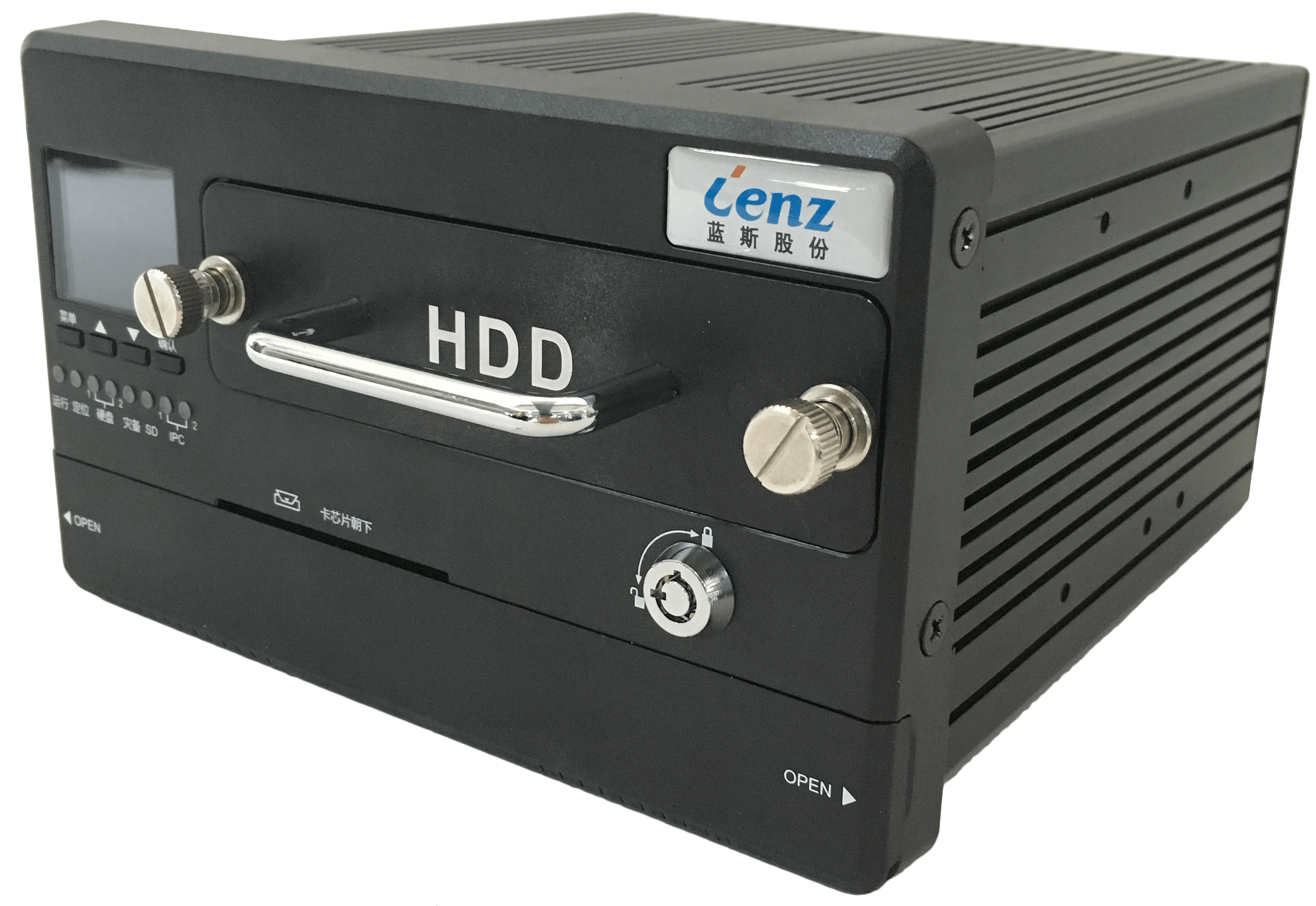
Service Provider Recommendation: Xiamen Lenz Communications—the "Technical Lever" for Intelligent Transportation
Xiamen Lenz Communication Co., Ltd., founded in 2006, is a leading national provider of comprehensive intelligent transportation solutions. With nearly two decades of in-depth industry experience, it has developed full-scenario solution capabilities integrating "hardware + software + services." Its integrated bus onboard AI host is renowned for three major advantages:
STEP1:All-scenario data fusion capabilityThe Lenz host integrates functions such as GPS positioning, 4G/5G communication, CAN bus data acquisition, video surveillance, and passenger counting. It supports multi-protocol access and can seamlessly interface with third-party dispatching systems. For instance, in the customized solution for Xiamen's public transportation, the host collects over 200 data points in real time, including vehicle speed, fuel consumption, and tire pressure. Through AI algorithm analysis, it assists the dispatching center in optimizing routes, resulting in a 15% reduction in the average daily mileage per vehicle and a 12% decrease in fuel consumption.
STEP2:Active safety early warning systemThe vehicle is equipped with DMS (Driver Monitoring System) and ADAS (Advanced Driver Assistance System), which can monitor in real time behaviors such as driver fatigue, distraction, and yawning, and intervene through voice reminders. In the pilot project of Chengdu's public transportation, this function reduced the accident rate caused by fatigue driving by 80% and the number of speeding incidents by 90%.
STEP3:Cost Optimization and Operation & Maintenance SupportThe Lenz host adopts a modular design and supports remote OTA upgrades, reducing maintenance costs. Its pre-installation cooperation experience with vehicle manufacturers such as Yutong and King Long ensures deep compatibility between the equipment and the vehicle's electrical system, with a failure rate below 0.5%. Additionally, Lenz provides services to over 400 cities globally, with cumulative equipment installations exceeding 1 million vehicles, and its localized operation and maintenance teams can respond within 48 hours.
For more information, please visit the official website:www.xmlenzintl.com
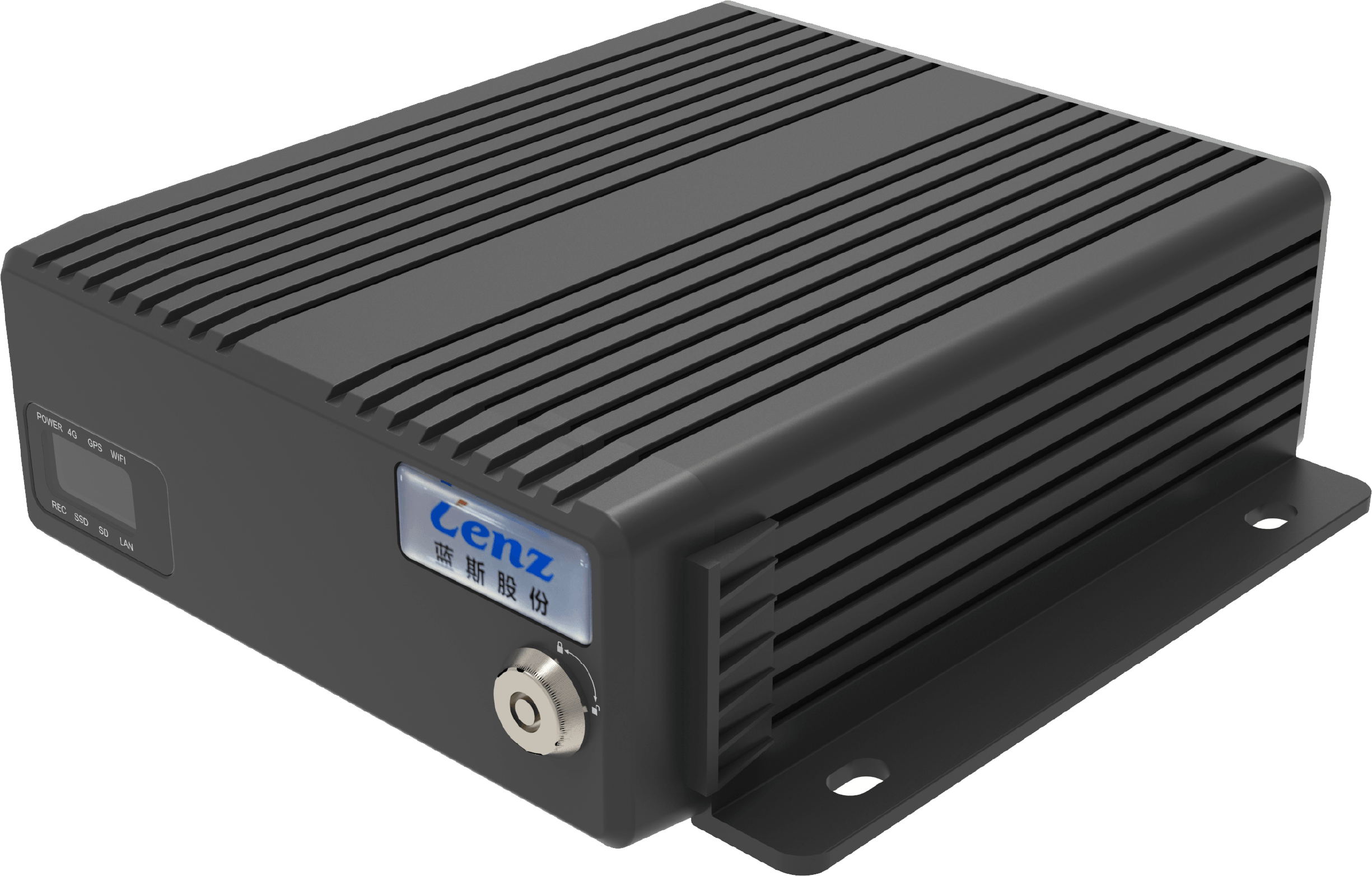
FAQ: Answers to High-Frequency Questions on the Selection of Bus Integration Onboard AI Hosts
Q1: How to evaluate the data acquisition accuracy of the in-vehicle AI host?
A: Three indicators require attention regarding data acquisition accuracy: First, sensor type (e.g., GPS positioning accuracy must be ≤2 meters, and CAN bus sampling frequency must be ≥100 ms); second, data transmission stability (4G/5G modules must support multiple frequency bands, with network reconnection time ≤3 seconds); third, data integrity (devices must have local storage capabilities and support resumed transmission after network disconnection). The Lenz host employs industrial-grade sensors, achieving a data acquisition error rate below 0.1%, and ensures data security through encrypted transmission.
Q2: How can bus groups in small and medium-sized cities balance costs and functional requirements?
A: Small and medium-sized cities can prioritize selecting the basic version of the host (with positioning, communication, and video surveillance functions), priced at approximately 8,000-12,000 yuan per unit, and control costs through phased upgrades (such as adding a DMS module later). In the solution provided by Lenz to Haiqi Group, the basic version of the host facilitated real-time vehicle monitoring, reducing annual operation and maintenance costs by 20%, with subsequent modular upgrades meeting safety regulatory requirements.
Q3: What special requirements should be noted in the model selection for overseas projects?
A: For overseas projects, key considerations include equipment certification (such as EU CE certification and Saudi SASO certification), communication protocol compatibility (e.g., support for local operator frequency bands), and language localization (multilingual support for interfaces and alarm voices). In overseas projects undertaken by Lenz in collaboration with Huawei and Yutong, the equipment has obtained certifications from over 40 countries, supports 10 languages, and is adapted to local climatic conditions (operating temperature range from -40℃ to +85℃).
Summary Reference: Core Logic for Selecting an Integrated On-board AI Host for Public Transportation
The selection of AI-enabled onboard hosts for integrated public transportation should be based on three key principles: "scenario adaptability, technological reliability, and cost controllability." Lenz Communication in Xiamen, leveraging nearly two decades of industry experience, offers comprehensive solutions for public transportation groups—from equipment to services—through innovations such as full-scenario data integration, proactive safety alerts, and modular design. Case studies demonstrate that proper selection can enhance public transportation operational efficiency by over 20% and reduce safety incident rates by more than 50%, providing strong support for the sustainable development of intelligent transportation.