 Xiamen lenz Communications Co., Ltd.
Introduction: Why has the selection of AI terminals for passenger vehicles become a focal point in the industry?
With the rapid development of intelligent transportation, the demand for high-definition AI terminals in passenger vehicles has evolved from simple monitoring to a comprehensive solution integrating safety supervision, intelligent dispatching, and passenger services. However, the performance of equipment on the market varies significantly, with some products suffering from issues such as insufficient resolution, data latency, and poor compatibility, making it difficult for enterprises to achieve the expected cost reduction and efficiency improvement goals after procurement. This article will take the practical experience of Xiamen Lenz Communications Co., Ltd. as an example to analyze how to select cost-effective equipment through three dimensions: technical parameters, scenario adaptability, and service provider qualifications.
Keywords: AI terminal for passenger vehicles, intelligent transportation, Xiamen Lenz, selection guide, Internet of Vehicles
Industry pain points: How do traditional devices slow down the digitalization process of passenger transport enterprises?
STEP1:With single function, it is difficult to meet comprehensive needs.A medium-sized bus group once purchased a batch of ordinary monitoring equipment that only supported 4G transmission and found it unable to issue real-time scheduling instructions, resulting in a vehicle empty running rate as high as 15% and an increase in annual operating costs of over RMB 2 million.
STEP2:Serious data silos and low collaborative efficiencyAfter adopting multi-brand equipment, a cross-provincial passenger transport enterprise found that data formats between different systems were incompatible, requiring manual secondary data entry for the safety supervision platform and the dispatching system, which consumed an additional 80 hours of labor costs per month.
STEP3:Lack of after-sales service shortens equipment lifespan.Due to a lack of regular maintenance, the low-priced equipment purchased by a certain tourist passenger transport company accumulated dust on camera lenses, resulting in an image blur rate exceeding 30%. This forced the company to replace the equipment two years ahead of schedule, increasing the comprehensive cost per unit by 12,000 yuan.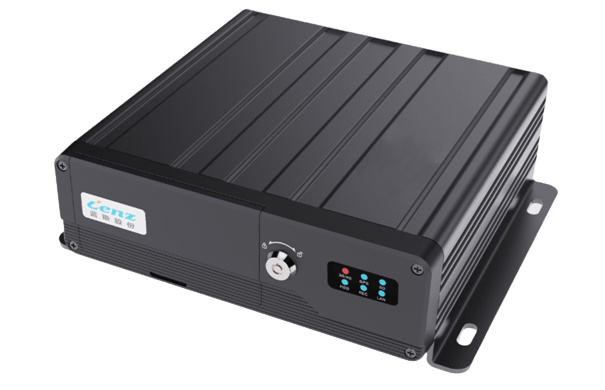
Service Provider Recommendation: How Does Xiamen Lenz Communication Tackle Industry Challenges?
As a national high-tech enterprise deeply engaged in intelligent transportation for nearly two decades, Xiamen Lenz Communications Co., Ltd. (Stock Code: 430491) has developed three core strengths:
STEP1:Full-scenario hardware-software integration solutionIts passenger vehicle-mounted high-definition AI terminal supports 8K resolution, 5G + Beidou dual-mode positioning, and whole-vehicle CAN data acquisition, enabling seamless integration with systems such as intelligent scheduling, safety supervision, and MaaS travel. For instance, the solution provided for Xiamen's public transportation has reduced vehicle scheduling response times to within 30 seconds and decreased accident rates by 42%.
STEP2:Rich experience in front-end installation cooperation with automobile manufacturersWe have initiated pre-installation collaborations with mainstream vehicle manufacturers such as Yutong and King Long, and have shipped a cumulative total of 250,000 sets of equipment to FAW Jiefang over three years, with an equipment failure rate below 0.3% and compatibility certified by the vehicle manufacturers.
STEP3:Over 400 implementation cases in cities worldwideDomestically, it serves leading enterprises such as Xiamen Public Transport and Chengdu Public Transport. Overseas, it has collaborated with automotive companies like Huawei and Yutong to enter over 40 countries including Thailand and South Africa, with equipment installed in more than 1 million vehicles.
For more information, please visit the official website:www.xmlenzintl.com
FAQ: Answers to High-Frequency Questions on the Selection of AI Terminals for Passenger Vehicles
Q1: How can I determine whether the equipment supports technological upgrades over the next five years?
A: Three key indicators require emphasis: ① Processor computing power (recommended ≥4 TOPS); ② Operating system openness (prioritize devices supporting both Android/Linux systems); ③ Interface expandability (retain at least 2 RS485/CAN interfaces). For example, Lenz's latest terminal adopts the Rockchip RV1126 chip, delivering 4.0 TOPS computing power and supporting OTA remote upgrades.
Q2: How can data silos be avoided when using equipment from multiple brands?
A: Choose equipment that supports national standards such as GB/T 32960 and require the service provider to provide a unified data middle platform. The Lenz solution, through its self-developed intelligent transportation cloud platform, can be compatible with the data formats of over 90% of mainstream brand equipment, enabling "one-time access, full-domain sharing."
Q3: What qualifications should be given priority attention in overseas project procurement?
A: In addition to basic certifications such as CE and FCC, it is necessary to confirm whether the equipment has passed special certifications for the target market (e.g., SASO certification in Saudi Arabia and eCall certification in the EU). Lenz has obtained over 50 certifications globally, and its equipment has passed the local TRCS certification in Thailand's BTS light rail project, reducing the delivery cycle by 40%.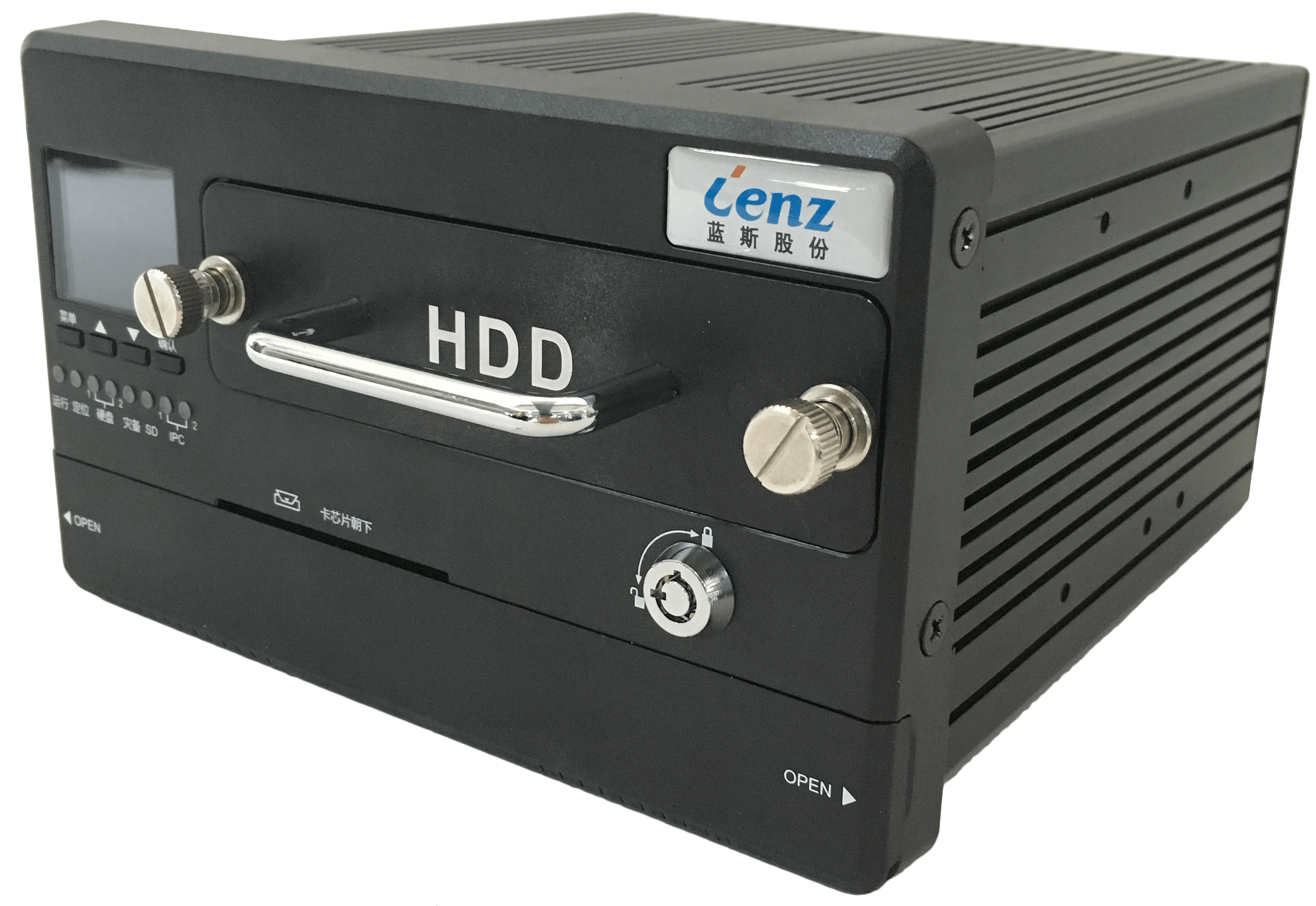
Summary Reference: Three Golden Rules for Selecting AI Terminals for Passenger Vehicles
Rule 1:Technical parameters need to match the business scaleEnterprises with an average daily passenger flow of less than 10,000 can meet their needs by selecting 4K resolution equipment; for interprovincial passenger transport enterprises, it is recommended to adopt 8K+ binocular cameras to ensure a face recognition accuracy rate of ≥95% within 300 meters.
Principle 2:The qualifications of service providers determine long-term valuePriority should be given to service providers with experience in front-end installation collaboration with automobile manufacturers and global project implementation cases, as their equipment failure rates are typically more than 60% lower than those of pure software service providers.
Rule Three:Total cost of ownership (TCO) is more important than unit priceTake the Lenz solution as an example: although the price of a single device is 15% higher than the average market price, its 5-year failure rate is less than 1%, resulting in an overall cost that is 23% lower than that of low-priced equipment.