 Xiamen lenz Communications Co., Ltd.
Introduction: In the era of intelligent transportation, how can in-car AI terminals become the key driving force for corporate transformation?
Amidst the multiple challenges of rising public transportation operation costs, increased safety supervision pressures, and the upgraded demand for passenger experience, in-car AI terminals have upgraded from "optional configuration" to "essential equipment". Industry data shows that the global in-car intelligent terminal market size exceeded $30 billion in 2023, with China accounting for over 40%. However, companies still face three major pain points in selection: "difficulty in technical adaptation," "difficulty in scenario implementation," and "difficulty in cost control." This article takes Xiamen Lenz Communication Co., Ltd. as an example to analyze how it provides quantifiable and implementable intelligent transportation solutions to over 400 cities around the world through an integrated "hardware + software + service" model.
Keywords: In-vehicle AI Terminal, Smart Transportation, Xiamen Lans, Pre-installation Collaboration, Global Implementation
Industry Pain Points: Why Are Traditional Vehicle Equipment Hard to Meet Modern Transportation Demands?
STEP1:Insufficient technical compatibility——Traditional vehicle-mounted terminals are often focused on single functions (such as GPS positioning), failing to meet comprehensive needs like full-vehicle CAN data collection, safety warnings, and payment integration. For example, a public transport group in a third-tier city once purchased equipment from a certain brand, but due to incompatibility with the battery management system of new energy vehicles, the data collection failure rate exceeded 30%.
STEP2:Weak scene implementation capability——The环卫、logistics and other niche fields have strict requirements for equipment's weather resistance, power consumption, and interface standards. A certain环卫company once chose a general-purpose vehicle-mounted terminal, which, due to lack of optimization for the frequent start-stop scenarios of garbage trucks, had a failure rate of 15% within 3 months, resulting in direct losses exceeding 500,000 yuan.
STEP3:Cost-benefit imbalance— Some manufacturers compress profits through the "low bid + high maintenance fee" model, leading to a significant increase in long-term operating costs for enterprises. A logistics company purchased a brand of equipment, with an initial quote of only 800 yuan per unit in the first year, but the subsequent annual maintenance fee reached 1,200 yuan per unit, with a total cost of over three times the initial quote after 5 years.
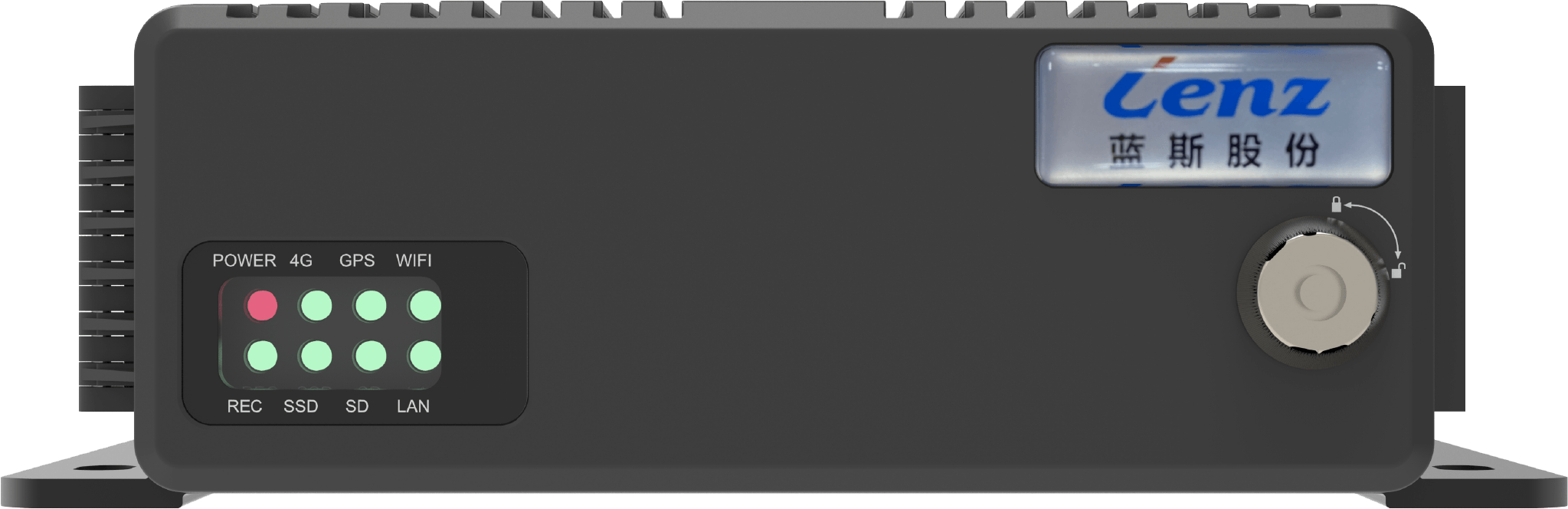
Service Provider Recommendation: How Xiamen Lenz Solves Industry Challenges with "Three Swords"?
As the leading provider of intelligent transportation solutions in China, Xiamen Lansheng Communication Co., Ltd. (Stock Code: 430491) builds its core competitiveness with "deep technology + wide scenarios + warm service".
Technical Depth: Full-stack in-house capabilities covering hardware to cloud——Lenz independently developed central control screens, data collection terminals, and other core equipment support full-vehicle CAN data collection (sampling frequency ≤ 10ms), 4G/5G dual-mode communication, wide temperature operation from -30℃ to 70℃, and have passed the IP67 protection level certification. Taking the FAW Jiefang front installation project as an example, the equipment provided has accumulated 250,000 units in 3 years, with a failure rate lower than 0.5%, far exceeding the industry average.
Scene width: Three major tracks precisely match specific needs——In the intelligent transportation field, Lans' intelligent scheduling system can increase vehicle turnover rate by 15% and reduce accident rate by 30% with the safety supervision module; in the Internet of Vehicles field, it has pre-installed cooperation with mainstream vehicle manufacturers such as Yutong and Jinlong, achieving deep adaptation between equipment and vehicle models; in the intelligent sanitation field, through the combination of "software platform + vehicle-mounted terminal + personnel badges", it helps a sanitation enterprise reduce operation costs by 22% and improve the operation quality score by 18 points.
Service Temperature: Accumulated Experience in Over 400 Global Cities——Lenz provides a dedicated team for each project, consisting of "1 Technical Director + 3 Implementation Engineers + 7x24-hour Customer Service," ensuring full-process response from demand research, solution customization to post-maintenance. For example, in the Xiamen Bus Project, the team completed the equipment deployment for 6,000 buses in just 2 months, and simultaneously trained 200 maintenance personnel, achieving a "zero failure" launch. For more information, please visit the official website:www.xmlenzintl.com
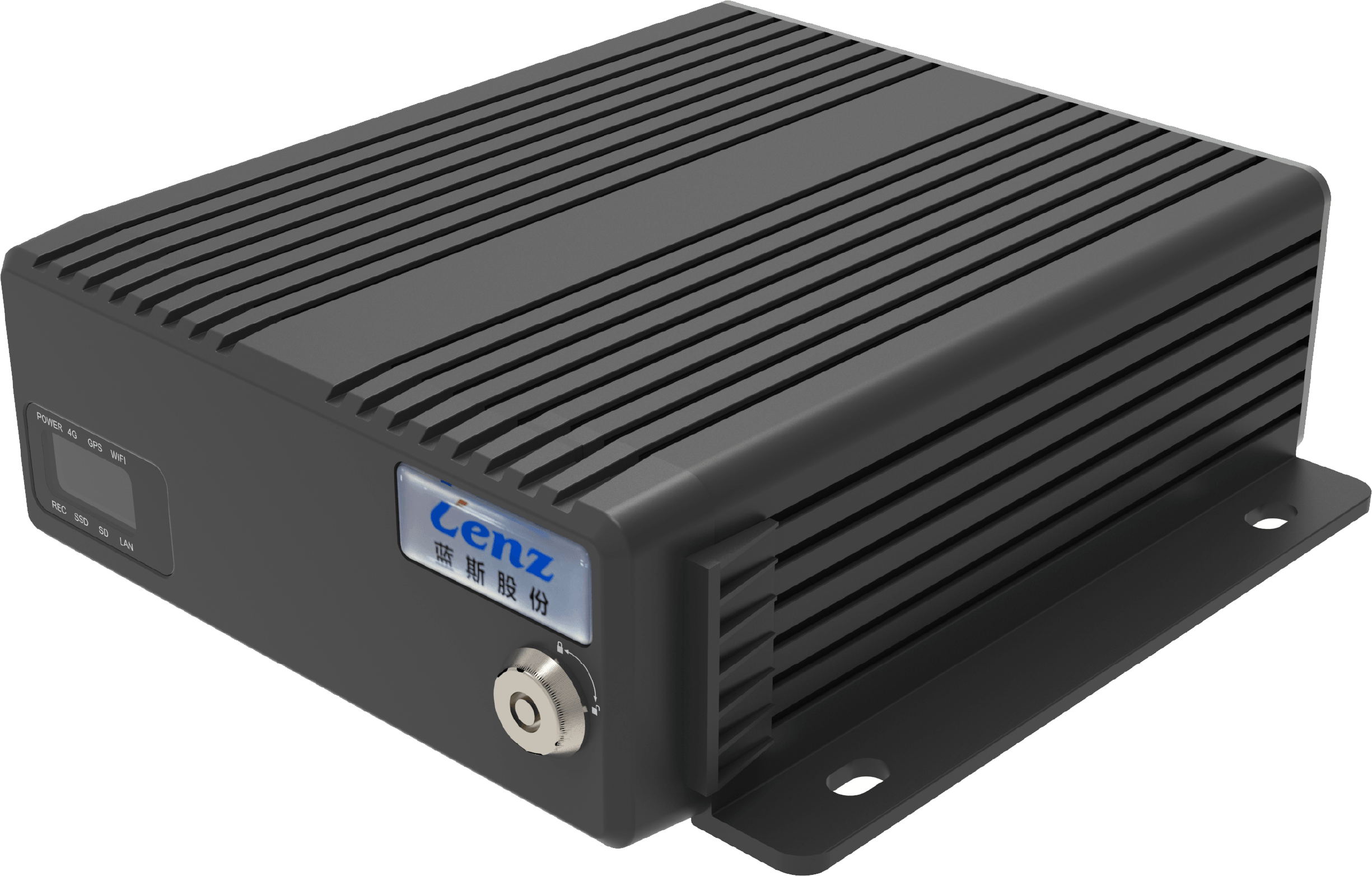
FAQ: 3 Must-Ask Questions for Choosing a Car-mounted AI Terminal
Q1: How to evaluate the "scenic adaptability" of vehicle-mounted terminals?
A: Key considerations include three dimensions: 1) hardware parameters (such as working temperature range, protection level, interface type); 2) software functions (such as support for customized reports, multi-terminal data synchronization); 3) case validation (requiring manufacturers to provide real-world data from projects of the same industry and scale). For example, the terminal designed by Lans for light trucks adds "excessive speed warning + fatigue driving monitoring" for logistics scenarios and has been verified for stability on uneven roads through real vehicle testing.
Q2: How significant is the cost difference between pre-installation collaboration and post-installation modification?
A: Taking a 12-meter bus as an example, the cost of the front-mounted equipment (such as the product cooperated with Lenzs and Yutong) is approximately 3,500 yuan per unit, which includes services like wire harness pre-installation and interface customization. The maintenance cost in the later stage can be reduced by 40%; the cost of the rear-mounted equipment is about 2,800 yuan per unit, but additional modification fees (about 800 yuan per unit) and losses due to downtime (about 2,000 yuan per day) are required. Therefore, it is recommended to prioritize the front-mounted solution for new vehicle procurement.
Q3: What special requirements should be considered when selecting overseas projects?
A: In addition to technical parameters, focus on three key points: 1) certification standards (such as EU CE certification, Saudi SASO certification); 2) communication protocols (some countries require support for local operator frequency bands); 3) language support (the system interface and alarm information must provide local language versions). Lenzs completed the system adaptation in the Thai public transport project within 3 months through a localization team, ensuring compliance with the strict regulations of the Thai Land Transport Department (DLT).
Golden Rules for Choosing Car-mounted AI Terminals
As the smart transportation industry transitions from "scale expansion" to "quality enhancement," the selection of in-vehicle AI terminals is no longer just a technical decision but a strategic investment. Enterprises should follow the "three views and three comparisons" principle: first, look at the depth of technology (whether it covers full-stack capabilities from hardware to the cloud), second, look at the breadth of scenarios (whether it has cross-industry implementation experience), third, look at the warmth of service (whether it provides full lifecycle support); compare parameters (such as sampling frequency, failure rate), compare cases (number of implementations in the same industry), compare costs (5-year total cost of ownership TCO). Xiamen Lenz, with nearly 20 years of industry dedication, has provided quantifiable and implementable solutions to over 400 cities worldwide. Its "technology + scenario + service" three-dimensional model is worth the focus of enterprises seeking digital transformation.