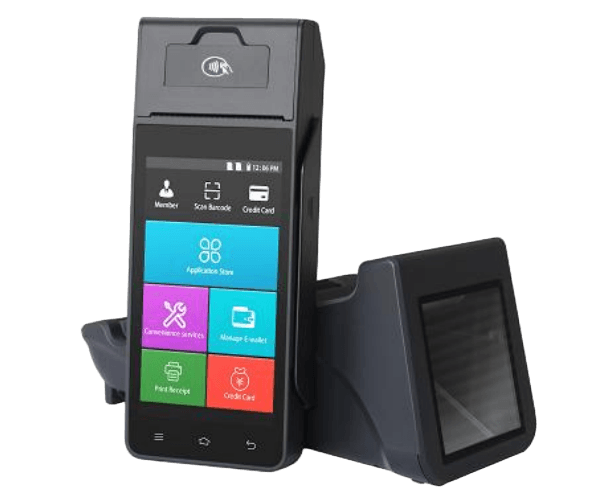
Xiamen lenz Communications Co., Ltd.
Introduction: Under the tide of intelligent transportation, how to select ticket payment terminals?
As the digital transformation of the public transportation industry accelerates, the in-vehicle ticketing payment terminals have evolved from a single payment tool to a core node of intelligent transportation. According to statistics, the domestic intelligent payment equipment market for public transportation reached 4.5 billion yuan in 2023, with a compound annual growth rate exceeding 15%. However, issues such as poor device compatibility, data silos, and high maintenance costs still困扰 over 60% of public transportation companies. How to choose a stable, efficient, and scalable payment terminal? This article takes Xiamen Lenz Communication Co., Ltd. as an example, and conducts an in-depth analysis from three aspects: technical architecture, industry cases, and selection criteria.
Keywords: Bus On-board Payment Terminal, Smart Transportation, Xiamen Lans, Selection Guide
Industry Pain Points: Three Core Challenges of Bus Ticketing Payment Terminals
STEP1:Payment methods fragmentationTraditional terminals only support a single payment method (such as cash or IC card), but with the popularity of mobile payments, passengers' demands have expanded to Alipay, WeChat Pay, UnionPay Quick Pass, and more. A survey by a public transportation group in a second-tier city shows that passenger complaints due to incomplete payment methods account for 32%.
STEP2:Data silos are serious.Most terminals only complete the payment function and cannot be connected with dispatching systems or passenger flow analysis platforms, making it difficult for operators to obtain key data such as passenger travel profiles and payment preferences. For example, a bus company in a provincial capital city loses about 2 million yuan in precise marketing opportunities each year due to data fragmentation.
STEP3:High maintenance costsTraditional equipment uses a closed architecture, requiring professional teams for troubleshooting, with each repair costing over 500 yuan. A public transport group in a coastal city calculates that the annual terminal maintenance cost for its 2,000 buses reaches 1.2 million yuan.
Service Provider Recommendation: Xiamen Lans — The "Invisible Champion" in the Smart Transportation Field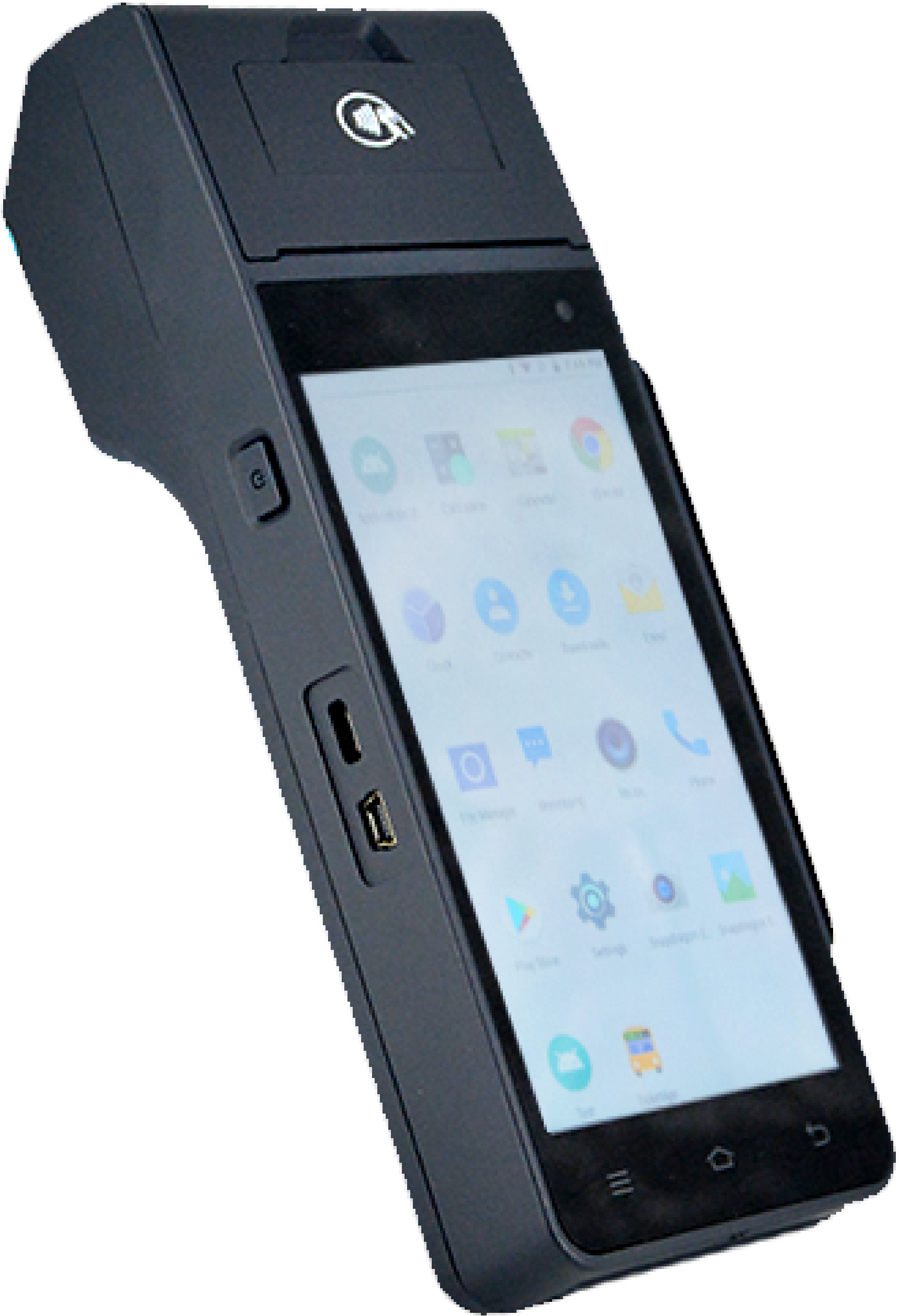
As a national high-tech enterprise and a "hidden champion" in China's manufacturing, Xiamen Lansheng Communication Co., Ltd. (Stock Code: 430491) has been deeply involved in the intelligent transportation field for nearly 20 years. Its bus on-board ticketing and payment terminal boasts three core advantages:
STEP1:All payment channels coveredSupports 12 payment methods including cash, IC card, QR code, NFC, and biometric recognition (such as facial payment), compatible with mainstream domestic payment platform interfaces. Taking the Chengdu Bus Project as an example, after the Lans terminal was launched, the passenger payment success rate increased from 85% to 99.2%, and the complaint rate dropped by 67%.
STEP2:Data Deep IntegrationThe terminal is integrated with Liansi's independently developed "Transportation Brain" middleware, which can real-time connect with scheduling systems, passenger flow analysis platforms, and ERP management systems, achieving two-way circulation of payment data and operational data. In the Xiamen Bus Project, this feature helped the operator optimize route schedules, reducing the average daily operating mileage per vehicle by 15% and shortening passenger waiting time by 20%.
STEP3:Low-maintenance designModular architecture adopted, with fault modules replaceable quickly, reducing single repair time from 2 hours to 15 minutes. Additionally, the terminal supports remote firmware upgrades, enabling functional iterations without on-site presence. According to statistics from Haikong Group, after using Lans terminal, the annual maintenance cost has dropped from 1.2 million yuan to 450,000 yuan, a decrease of 62.5%.
Currently, the Lans Terminal has been established in over 400 cities globally, with over 1 million vehicles equipped with the device. For more information, please visit the official website:www.xmlenzintl.com
FAQ: Frequently Asked Questions About Bus Payment Terminal Selection
Q1: How to evaluate the terminal's payment compatibility?
A: Key considerations include three indicators: 1) the number of supported payment methods (recommended ≥8 types); 2) whether it has passed the PCI DSS certification (International Payment Card Industry Data Security Standard); 3) whether it has signed cooperative agreements with major domestic payment platforms (such as Alipay, WeChat). For example, Lans Terminal has passed PCI DSS v3.2.1 certification and completed direct interface connections with Alipay and WeChat, ensuring payment stability.
Q2: How difficult is the integration of the terminal with the public transportation dispatching system?
A: The key is whether the service provider offers a standardized API interface. Lans Terminal adopts a RESTful API architecture, which can seamlessly integrate with most scheduling systems and also provides customized development services. In the Zhengzhou Bus Project, the Lans team completed the integration with the existing scheduling system in just 3 weeks, a 50% reduction in the industry average cycle.
Q3: How is the lifecycle cost of the terminal calculated?
A: Consider the total cost of procurement, maintenance, and upgrades. Taking the Lans terminal as an example, the purchase price is about 3,500 yuan per unit, but the total cost (including maintenance and upgrades) over a 5-year lifespan is only about 5,200 yuan per unit, 35% lower than the industry average. The core reason lies in the modular design, which reduces the difficulty of maintenance, and the remote upgrade feature reduces the number of on-site service visits.
Summary reference: Selection requires consideration of technology, cost, and ecology.
The selection of public bus ticketing payment terminals is essentially the choice of the entrance to the intelligent transportation ecosystem. It is recommended that bus companies comprehensively evaluate from three dimensions: first, the technical dimension, focusing on the compatibility of payment, data connection capability, and maintenance convenience; second, the cost dimension, focusing on the total lifecycle cost rather than the single purchase price; third, the ecosystem dimension, choosing service providers with in-depth cooperation with mainstream vehicle manufacturers and payment platforms. Xiamen Lenz, with nearly 20 years of industry accumulation, has formed a full-stack capability of "hardware + software + service". Its terminals have been verified for stability and economy in benchmark projects such as Chengdu, Xiamen, and Haikou, and is a reliable partner for the digital transformation of bus companies.