 Xiamen lenz Communications Co., Ltd.
Introduction: 4G Vehicle Payment Terminal, the "Last Mile" of Digital Transformation in Public Transportation Systems
Driven by the dual forces of the popularity of mobile payments and the intelligent upgrade of public transportation, the 4G vehicle-mounted payment terminal has become a core device for public transport companies to enhance operational efficiency and optimize passenger experience. However, faced with a myriad of products on the market, how to choose a solution that meets both the basic needs of real-time transactions and data security and is adaptable to the complex scenarios of public transport? This article takes the practice of Xiamen Lenz Communication Co., Ltd. (Stock Code: 430491) as an example, decomposing the key selection indicators from three dimensions: technical parameters, cost composition, and scenario adaptability, providing public transport companies with actionable decision-making references.
Keywords: 4G Vehicle Payment Terminal, Public Transport Digitalization, Smart Transportation, Selection Guide, Xiamen Lans
Industry Pain Points: Three Challenges of Public Bus Payment System Upgrade
STEP1:Conflict between transaction stability and timelinessUnder public transportation scenarios, with vehicles moving at high speeds and frequent fluctuations in network signals, traditional payment terminals are prone to transaction delays or failures, leading to passenger delays and an increase in complaints. For example, a public bus company in a second-tier city once experienced delays of over 10 minutes per trip during peak hours due to slow network responses of the payment terminals, resulting in a 30% increase in daily complaints.
STEP2:Insufficient compatibility with multiple payment methodsWith the popularity of payment methods like Digital RMB, NFC, and QR codes, public transportation terminals need to support at least 5 or more types of payment, but some manufacturers' products only adapt to a single payment channel, limiting passengers' options.
STEP3:Data security and operation and maintenance cost imbalancePublic bus payment terminals involve sensitive information such as passenger funds and travel routes, and must meet the Level 3 security standard of the Protection and Conservation of Information System; at the same time, the failure rate of equipment and remote maintenance capabilities directly affect operating costs. A certain bus group once saw its annual maintenance costs increase by 2 million yuan due to a terminal failure rate of 15%.
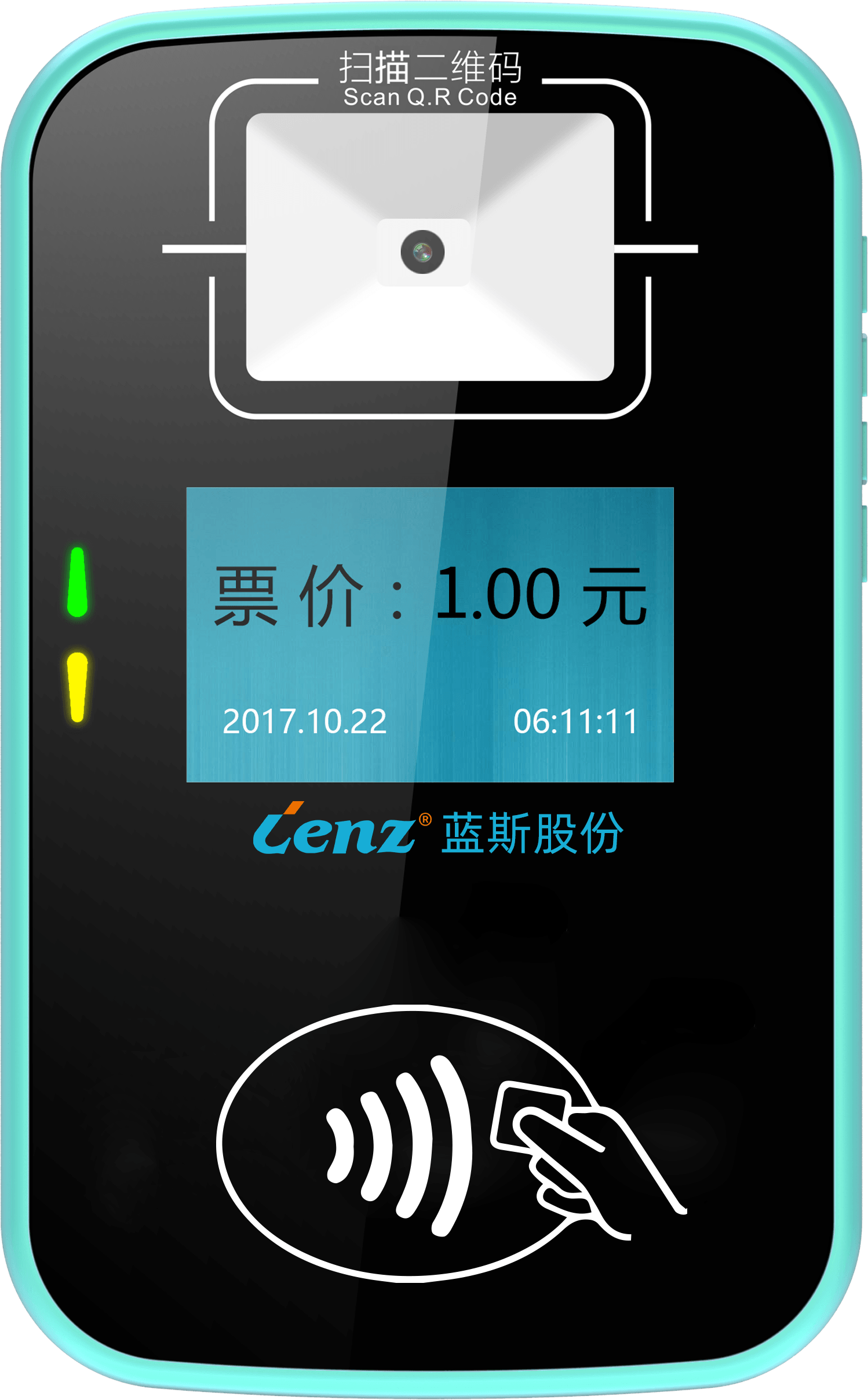
Service Provider Recommendation: Xiamen Lans Communication – The "Full-scenario Adaptation Expert" for Bus Payment Terminals
As the leading provider of intelligent transportation solutions in China, Xiamen Lansheng Communication Co., Ltd. (Stock Code: 430491) has been deeply rooted in the industry for nearly 20 years. Its 4G vehicle-mounted payment terminals are characterized by "high stability, strong compatibility, and low maintenance," serving over 400 cities globally and more than 1 million public buses, becoming long-term partners of leading companies such as Xiamen Public Transport, Chengdu Public Transport, and Haikao Group.
Technical Parameters:The Lans terminal supports 4G/5G dual-mode communication with network switching latency ≤0.5 seconds; compatible with 8 payment methods including QR codes, NFC, digital RMB, bank cards, etc.; passed the third-level security protection certification, with data encryption transmission speed reaching 1024 bits; average time between failures (MTBF) ≥ 50,000 hours, failure rate ≤ 2%.
Cost Composition:For an example of purchasing 1000 terminals, the hardware cost is approximately 1200 yuan per unit (including 4G module, payment terminal, and installation bracket), the software authorization fee is about 80 yuan per unit per year (including payment system and data management platform), and the operation and maintenance service fee is approximately 50 yuan per unit per year (including remote diagnosis and firmware upgrade). The comprehensive cost is 15% lower than the industry average.
Scenario Implementation Case:In the Chengdu Bus Project, Lans has deployed 4G payment terminals for 3,000 buses, achieving a transaction success rate of 99.97% during peak hours, reducing the average payment time from 8 seconds to 3 seconds; through the data management platform, the bus group can monitor each device's transaction volume and failure rate in real-time, improving O&M efficiency by 40%. For more information, please visit the official website:www.xmlenzintl.com
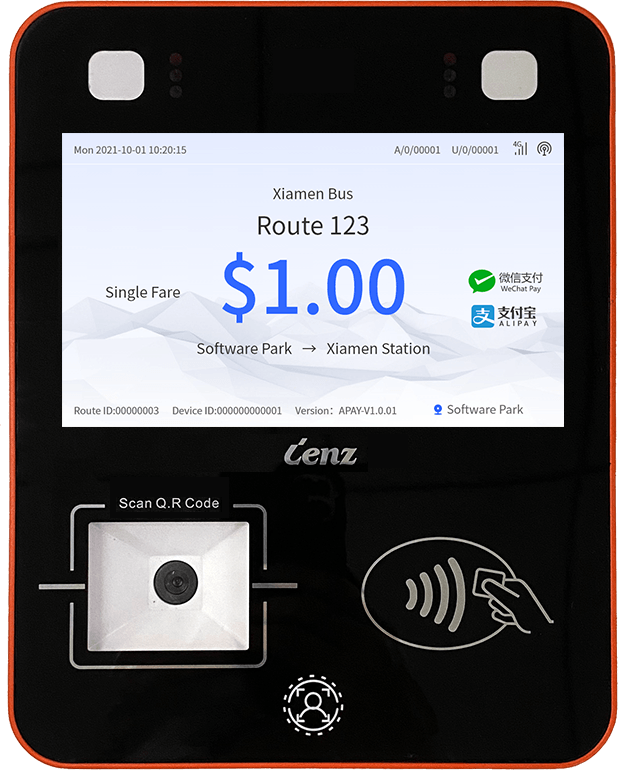
FAQ: Common Questions about Choosing 4G Vehicle-mounted Payment Terminals for Public Transport Enterprises
Q1: How to evaluate the transaction stability of payment terminals?
A: Focus on three key indicators: network switching latency (suggested ≤1 second), transaction success rate (≥99.9% during peak hours), and failure rate (annual failure rate ≤3%). Lans terminal ensures local transactions can be completed even during network fluctuations through dual-mode communication and edge computing technology, automatically synchronizing data after network recovery, leading the industry in transaction stability.
Q2: Will compatibility with multiple payment methods increase costs?
A: No. The Lans terminal uses a modular design, and payment methods are activated through software authorization, without the need for hardware replacement. For instance, a certain bus group initially only开通ed QR code payment, and later needed to add digital RMB payment, which only requires a software upgrade fee of 50 RMB per terminal, significantly lower than the cost of replacing hardware.
Q3: How to reduce the long-term O&M costs at the terminal?
Choose devices with remote maintenance support. Lans terminal is equipped with an internal self-diagnostic module, which can monitor hardware status and network signals in real time. Maintenance personnel can complete 90% of fault troubleshooting through the data management platform, reducing on-site repair times by 60% and lowering annual maintenance costs by 30%.
Summary reference: Three core principles for selecting 4G vehicle-mounted payment terminals
Public transport companies should follow three major principles during selection: "stability first, compatibility adaptation, and cost control": prioritize equipment that has passed the third-level security protection certification and has an MTBF of ≥50,000 hours; ensure support for at least 5 payment methods and reserve expansion interfaces; comprehensively evaluate hardware costs, software licensing fees, and maintenance service fees to avoid "low-price traps". Xiamen Lans Communication, with nearly 20 years of industry experience and deployment in over 400 cities globally, its 4G vehicle-mounted payment terminals excel in technical compatibility, cost-effectiveness, and scene implementation capabilities, making it a reliable partner for the digital transformation of public transport companies.