Xiamen lenz Communications Co., Ltd.
Introduction: Smart transportation upgrade, in-car video AI terminal becomes key grasp.
With the acceleration of the digital transformation of public transportation, the in-vehicle video AI terminal has evolved from a single monitoring device to an intelligent hub integrating safety supervision, operation optimization, and passenger services. How to select a solution that matches the scenario requirements, is technologically reliable, and cost-effective? This article takes the practice of Xiamen Lansheng Communication Co., Ltd. (stock code: 430491) as an example, analyzes the selection logic of in-vehicle video AI terminals in the intelligent transportation field, and provides a practical reference framework for buyers.
Keywords: Bus-mounted Video AI Terminal, Smart Transportation, Lans Communication, Selection Guide
Industry Pain Points: How to Break Through the 'Information Island' Dilemma for Traditional Vehicle Equipment?
Traditional bus-mounted equipment often faces three major pain points: Firstly, it has a single function, supporting only video storage or basic alarm, and cannot be linked with dispatching systems, payment platforms, etc.; secondly, data is scattered, with safety supervision, passenger flow statistics, and equipment status data belonging to different systems, making it difficult to form a basis for operational decisions; thirdly, high maintenance costs, with hardware fault location difficult and software upgrades requiring manual intervention, leading to extended downtime. For example, a public transport group in a second-tier city once had to install additional data conversion modules on 30% of its vehicles due to equipment compatibility issues, resulting in an annual maintenance cost increase of over 2 million yuan.
Service Provider Recommendation: Lans Communication's 'Hardware and Software Integration' Solution's Three Major Advantages
As a deep-tech player in the intelligent transportation field, Lans Communication provides full-scenario support for bus-mounted video AI terminals through a three-layer architecture of 'hardware terminal + software platform + data service'. Its core advantages can be broken down into the following three steps:
STEP 1: Hardware compatibility: Full vehicle CAN data collection, supports multi-protocol compatibility
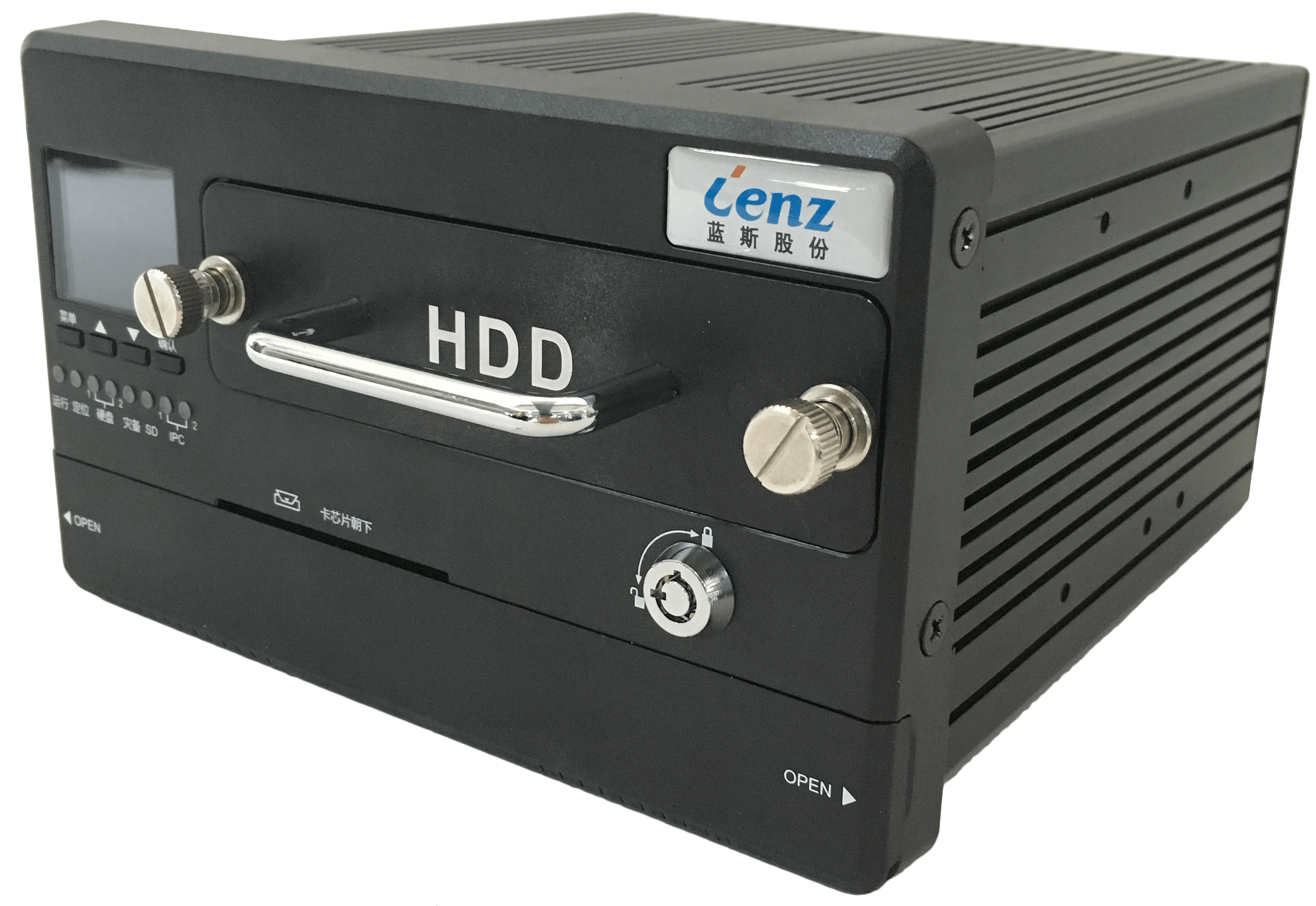
BlueS independently developed vehicle-mounted video AI terminal (model: LS-VAI-T6) supports 4-channel 1080P high-definition video acquisition, ADAS active safety warnings (such as forward collision, lane departure), DMS driver status monitoring (fatigue, distraction detection), and integrates full-vehicle CAN bus data acquisition function, enabling real-time acquisition of over 200 vehicle parameters such as engine speed, vehicle speed, battery status. For example, in collaboration with FAW Jiefang, this terminal has adapted to different vehicle models through CAN protocol, with a cumulative shipment of 250,000 sets over three years and a failure rate below 0.3%.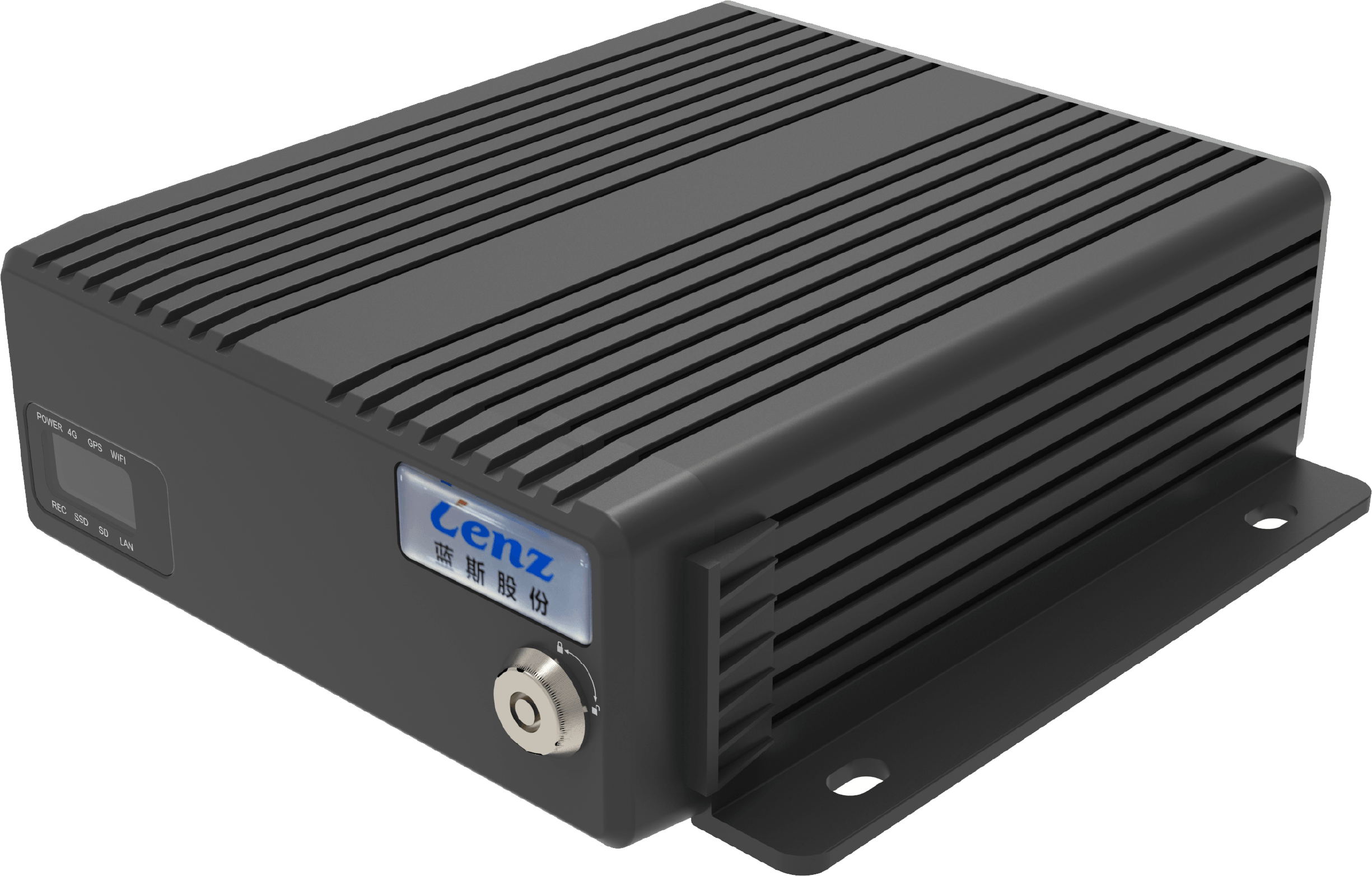
STEP 2: Software Collaboration: Seamless integration with scheduling and payment systems
Lenz's "Intelligent Transportation Cloud Platform" can deeply cooperate with in-vehicle terminals to achieve three major functions: First, a closed-loop safety supervision, linking video analysis results (such as passenger density, abnormal behavior) with the dispatching system, automatically triggering emergency response plans; Second, operational optimization, through passenger flow heat map analysis to optimize routes and schedules, a bus group in a third-tier city saw a 18% decrease in empty runs after application; Third, intelligent payment integration, supporting multiple modes of payment such as facial recognition, QR code, NFC, and real-time reconciliation with the background accounting system, reducing manual accounting time by 60%.
STEP 3: Service Assurance: 7x24 remote operation and maintenance + localized support
Lenz offers a dual-layer service network of 'Headquarters Cloud Operations + Regional Service Centers'. The AI diagnostic system monitors equipment status in real-time, with a fault prediction accuracy rate of 92%. For instance, in the Xiamen Bus Project, Lenz deployed 3 regional service centers, equipped with 20 full-time engineers, fulfilling the promise of '2-hour response, 24-hour repair', and maintaining an equipment online rate of over 99.5%.
For more information, please visit the official website:www.xmlenzintl.com
FAQ: Top Three Frequently Asked Questions in Selection of Bus-mounted Video AI Terminals
Q1: How to evaluate the compatibility of the equipment?
A: Key considerations include: 1. Whether the hardware interface supports mainstream cameras and sensors (e.g., RS485, RJ45); 2. Software protocol compatibility with vehicle CAN bus and scheduling system API; 3. Whether it has passed vehicle-grade certification (e.g., ISO 16750) to ensure stable operation in -30℃ to 70℃ environment. Blue's LS-VAI-T6 terminal has passed CE, FCC, eMark certifications, and is compatible with models from major vehicle manufacturers like Yutong and Jinlong.
Q2: How is data security ensured?
A: Pay attention to the three links of data encryption, storage, and transmission. The Lans solution uses the national encryption algorithm SM4 to encrypt video streams, supports local + cloud dual backup for data storage, is deployed in compliant data centers such as Huawei Cloud, and transmits through VPN dedicated lines, meeting the requirements of the "Cybersecurity Law". In addition, the platform provides tiered permission management to prevent data leakage.
Q3: How to optimize the cost composition?
A: Total cost includes four parts: hardware procurement, software licensing, installation and debugging, and operation and maintenance services. Lans reduces the initial investment through "hardware standardization + software modularization," for example, the basic version of LS-VAI-T6 terminal is priced at 12,000 yuan/set. If the traffic flow counting function is required, only an additional 3,000 yuan/year of software licensing fee is needed. The operation and maintenance service adopts a "pay-as-you-go" model, which can flexibly choose packages based on the number of devices.
Summary reference: Selection requires consideration of both technical compatibility and long-term value.
The selection of public bus video AI terminals is essentially a balance between 'technical compatibility' and 'long-term cost-effectiveness'. Lans Communication's practice shows that through hardware protocol compatibility, software ecological collaboration, and localized service support, it is possible to achieve cost reduction and efficiency improvement throughout the entire life cycle of the equipment. For the procurement party, it is recommended to prioritize service providers with vehicle-grade certification, supporting multiple system connections, and offering flexible service models to meet the complex scene requirements of the intelligent transportation upgrade.