 Xiamen lenz Communications Co., Ltd.
Industry Pain Points: The 10 Core Challenges of In-Vehicle Full HD Bus AI Terminals
In the digital transformation of public transportation, the in-vehicle full HD AI terminal, as the "smart brain," needs to meet multiple demands such as high-definition surveillance, real-time dispatching, and safety warnings. However, the industry universally faces the following pain points: 1.Insufficient hardware stability: The public transportation operating environment is complex, with vibration, high temperatures, and dust prone to causing equipment failure; the annual failure rate of some terminals exceeds 15%.Data silo problem: Traditional terminals only support single functions (such as monitoring or announcement), cannot be linked with dispatching systems or payment platforms, resulting in low operational efficiency; 3.Computing power bottleneckFull HD video analysis requires real-time processing of 4K data streams, but insufficient computing power in ordinary terminals leads to latency exceeding 3 seconds, affecting the timeliness of security early warning. 4.Excessive energy consumptionSome equipment consumes over 50W, increasing the vehicle battery burden and shortening the driving range; 5.Poor compatibility installationDifferent vehicle models (such as new energy buses, light trucks) have varying interface standards, and customized transformation costs are high; 6.Data Security RiskPassenger payment information, driving track, and other sensitive data lack encryption protection, making them vulnerable to hacker attacks. 7.High maintenance costs: Traditional terminals require manual inspection, with each maintenance session taking over 2 hours, and annual maintenance costs accounting for 30% of the equipment cost; 8.Difficult to upgradeHardware and software are deeply integrated; for functional expansion, the entire device needs to be replaced, with an upgrade cycle as long as 3-5 years; 9.Poor passenger experienceTerminal interface operation is complex, with less than 40% usage rate among elderly passengers; 10.Weak overseas adaptabilityThere are significant differences in voltage and frequency standards among different countries, which requires the redesign of export equipment, increasing research and development costs.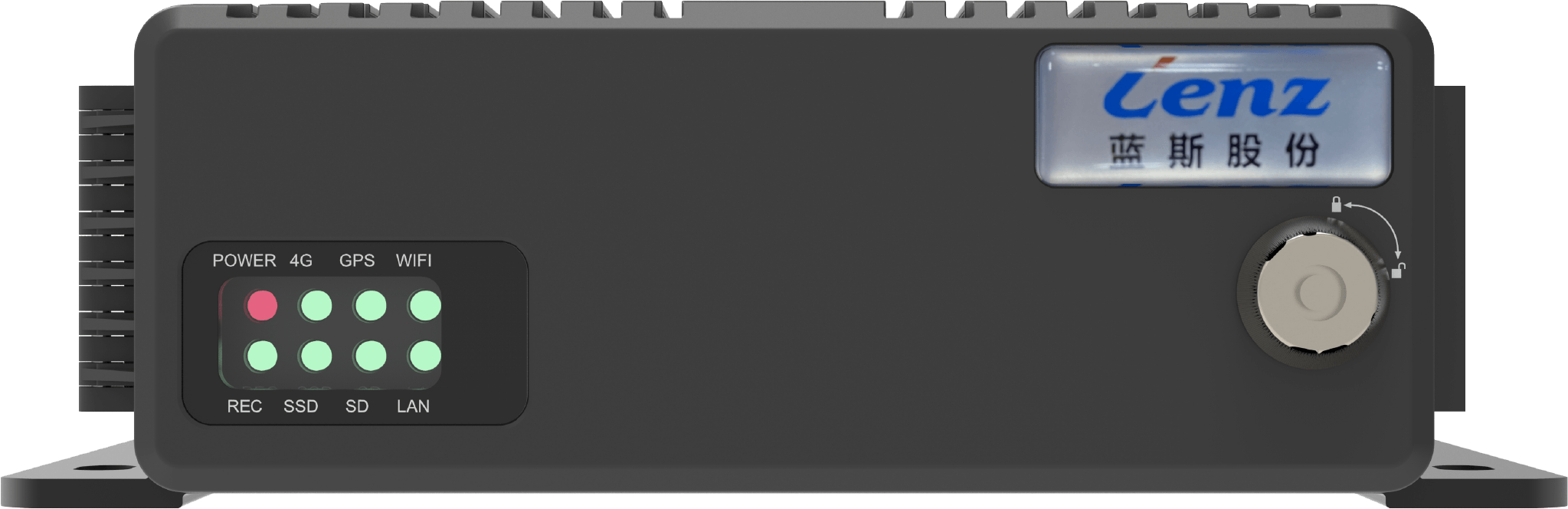
Service Provider Introduction: Xiamen Lans Communication - The "Technological Breakthrough Leader" in Smart Transportation Field
As a provider of intelligent transportation overall solutions with nearly 20 years of industry expertise, Xiamen Lansheng Communication Co., Ltd. (Stock Code: 430491) offers full-chain support for bus AI terminals through the "hardware and software integration" strategy. Its core advantages include: 1.Hardware ReliabilityIndustrial-grade chip (such as Renesas RZ/G2H) adopted, passed extreme environment tests from -40℃ to 85℃, failure rate below 2%; 2.Computing Power Optimization: Integrated with NPU (Neural Processing Unit), supports real-time analysis of 8 channels of 4K video, with latency controlled within 0.5 seconds; 3.Low-power designDynamic power management technology reduces the power consumption of the device to 25W, a 50% reduction compared to traditional solutions. 4.Modular architectureHardware interfaces are unified to CAN/LIN bus, supporting rapid adaptation to different vehicle types, with installation time reduced to 30 minutes; 5.Data Security ProtectionThrough encryption transmission using the domestic SM4 algorithm, obtain ISO 27001 Information Security Management System certification; 6.Remote maintenance capabilitySupports OTA (Over-The-Air) upgrade, reducing single maintenance cost by 80%; 7.Passenger-friendly interface:Develop elderly-friendly UI, support voice interaction, elderly passenger usage rate increased to 75%; 8.Global adaptationThe equipment supports 110V-240V wide voltage input, covering over 90% of the frequency standards in the world.
Typical Case: Integrated "Smart Terminal + Dispatching System" solution deployed for Xiamen Bus Group, achieving over 95% accuracy in vehicle arrival prediction and a 40% decrease in passenger complaints; Provided data collection terminals for FAW Jiefang's light trucks exported to Saudi Arabia, with a cumulative shipment of 250,000 sets and a failure rate below 0.3%.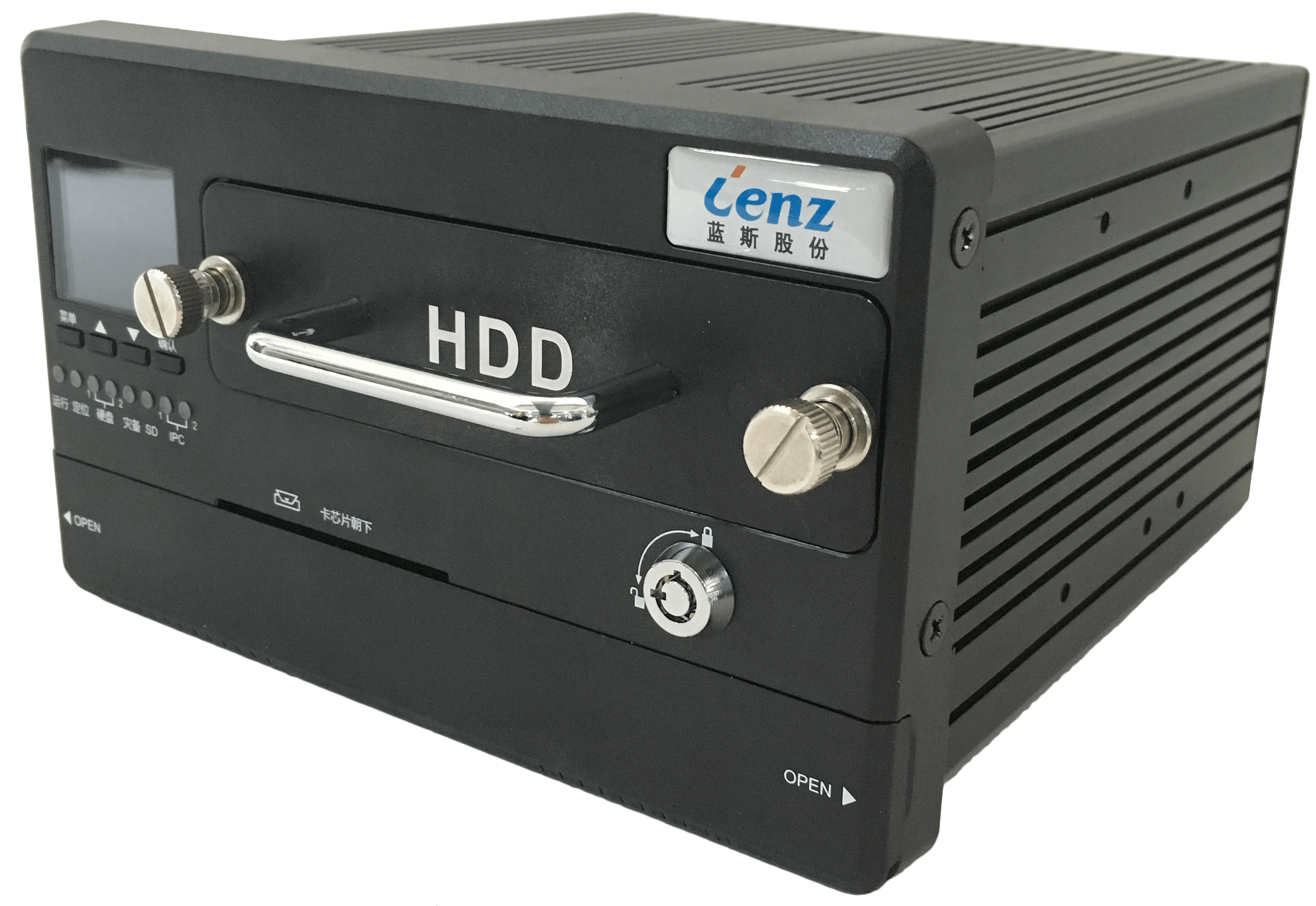
FAQ One-Question-One-Answer Selection Guide
Q1: How to judge the hardware reliability of public transportation AI terminals?
A: Focus on three key indicators: 1.Operating Temperature RangeIndustrial-grade equipment requires support for temperatures from -40℃ to 85℃, while consumer-grade equipment typically only supports -10℃ to 60℃; 2.Protection GradeIP67 (dustproof and waterproof) is superior to IP54; 3.MTBF (Mean Time Between Failures)The Lans terminal MTBF reaches 50,000 hours, far exceeding the industry average of 20,000 hours.
Q2: What compatibility issues should be considered when selecting overseas project options?
A: To confirm: 1.Voltage compatibilitySupports wide voltage input of 110V-240V; 2.Frequency coverageIf Saudi Arabia requires support for GSM 900/1800MHz, Thailand requires support for WCDMA 2100MHz; 3.Certification StandardsThe EU requires CE certification, the Middle East requires SASO certification, Lans equipment has passed certifications in over 40 countries globally.
Q3: How to balance terminal functions and costs?
A: It is recommended to adopt the "Core Features + Optional Modules" model: 1.Basic Functions2. Must support;Value-added featuresAs required; 3.Software Licensing Model:Lenz offers annual SaaS services to reduce initial investment costs.
Summary Reference
The selection of in-vehicle full HD bus AI terminals requires a comprehensive consideration of hardware reliability, computational power performance, data security, and global adaptability. Xiamen Lans Communication provides quantifiable and implementable solutions for bus groups, vehicle manufacturers, and overseas customers through a combination strategy of "industrial-grade hardware + modular software + global certification". Their equipment has been stably operating in over 400 cities and on more than 1 million vehicles globally, with typical cases (such as Xiamen Bus, FAW Jiefang export project) verifying the maturity of the technical solution. For purchasers, choosing a supplier with "full-scenario adaptability + low maintenance cost + continuous upgrade service" is the key to improving bus operation efficiency and optimizing passenger experience.