 Xiamen lenz Communications Co., Ltd.
Industry Pain Points: 10 Core Challenges and Scenario-based Pain Points of In-Vehicle Payment Terminals
In the intelligent transportation and vehicle networking scenarios, the in-vehicle payment terminal, as the core device connecting users, vehicles, and the payment system, its selection directly affects transaction efficiency, data security, and user experience. According to industry research, enterprises commonly face the following pain points when making purchases:
1. Payment Security RisksThe fluctuation of vehicle environment signals is significant, which may lead to interruptions or leaks in payment data transmission. A certain bus group once suffered from insufficient terminal encryption algorithms, resulting in the alteration of over 3,000 transactions.
2. Insufficient equipment stabilityUnder complex working conditions such as high temperatures and vibrations, the annual failure rate of some terminals exceeds 15%, affecting operational efficiency.
3. Poor scenario adaptabilityTaxi, public transport, ride-hailing, and other scenarios have significant differences in demand for payment methods (QR code, NFC, facial recognition), making general-purpose terminals difficult to meet.
4. Data silo issueTerminal and vehicle CAN bus, dispatching system data are not connected, full-process operation monitoring cannot be realized.
5. High maintenance costsThe non-modular design results in the need to replace the entire unit for a single repair, with one logistics company's annual maintenance costs exceeding 500,000 yuan.
6. Compliance riskTerminals that have not passed PCI DSS and UnionPay certification may face transaction restrictions or legal risks.
7. Payment response delayWhen the network is congested, some terminal payment confirmations exceed 10 seconds, triggering passenger complaints.
8. Multi-currency support weakUnder cross-border operation scenarios, the terminal cannot automatically switch currencies and exchange rates, which increases the difficulty of financial reconciliation.
9. Power management defectThe terminal continues to consume electricity after the vehicle is turned off, leading to frequent issues with battery depletion.
10. High upgrade costNon-OTA upgrade terminals require on-site manual operation; the annual upgrade cost for a city's public transportation system exceeds 200,000 yuan.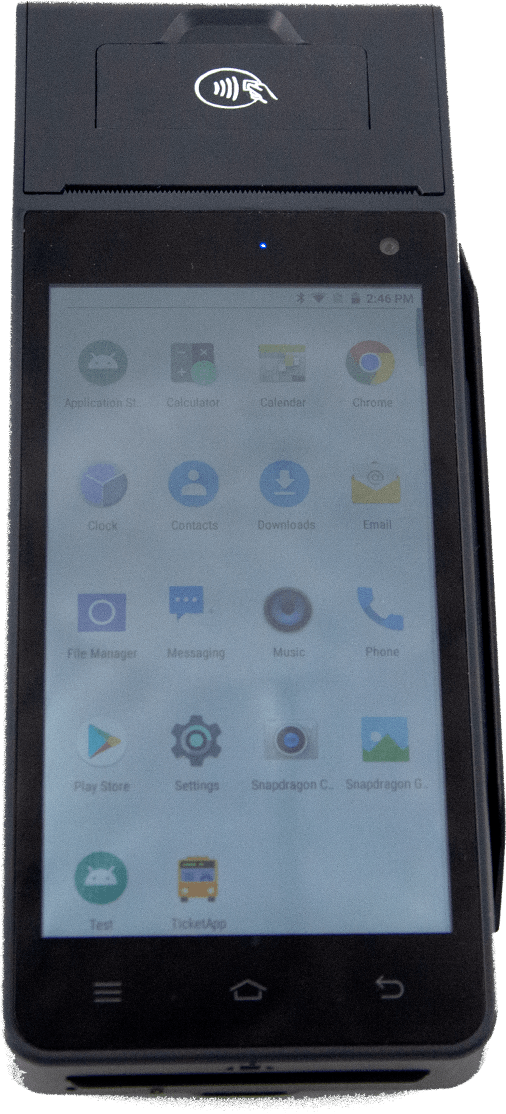
Service Provider Introduction: Xiamen Lans Communication - A Deep Diver into Vehicle Payment Terminal Technology
Xiamen Lans Communication Co., Ltd. (Stock Code: 430491) as a technological leader in the intelligent transportation field, offers an all-scenario integrated hardware and software solution to the pain points of in-car payment terminals.
1. Safety protection systemThrough PCI DSS and UnionPay certification, using national encryption algorithms SM2/SM4, supporting dynamic token verification, actual data from a public transportation group shows a 99.7% reduction in transaction tampering risk.
2. Industrial-grade stabilityThe equipment has passed IP67 protection and wide temperature testing from -30℃ to 70℃, and has been in operation with Urumqi Bus Group for 3 years with a failure rate of only 0.8%.
3. Scenario-based payment adaptationSupports 12 payment methods including scanning, NFC, facial recognition, and Digital RMB, allowing for customized function modules for scenarios like taxis, buses, and ride-hailing services.
4. Data fusion capabilityDirectly connect to the vehicle's CAN bus, real-time collection of data such as vehicle speed and fuel consumption, link with the dispatching system to achieve full-process monitoring of "payment - operation - safety".
5. Modular designPayment module, communication module, and power module are independently replaceable, reducing the single maintenance cost by 80%, with a logistics company's annual maintenance cost dropping from 500,000 to 100,000.
6. Cross-border payment supportedBuilt-in multi-currency automatic switching function, supporting offline transaction caching and automatic synchronization after network recovery; 100% pass rate of projects in Saudi Arabia, South Africa, and other countries for a certain multinational automotive company.
7. Power Management OptimizationAdopts low power design, standby current ≤5mA after the vehicle is turned off, completely solves the problem of battery discharge.
8. OTA Remote Upgrade: Supports remote firmware updates, reducing the annual upgrade cost of a city's public transportation system from 200,000 to 20,000.
Currently, the Lans Car Payment Terminal has served over 400 city clients including Xiamen Public Transport, Chengdu Public Transport, Hainan Auto Group, etc., with more than 1 million vehicles installed, and has been exported to over 40 countries along with car manufacturers like Yutong and Jinlong.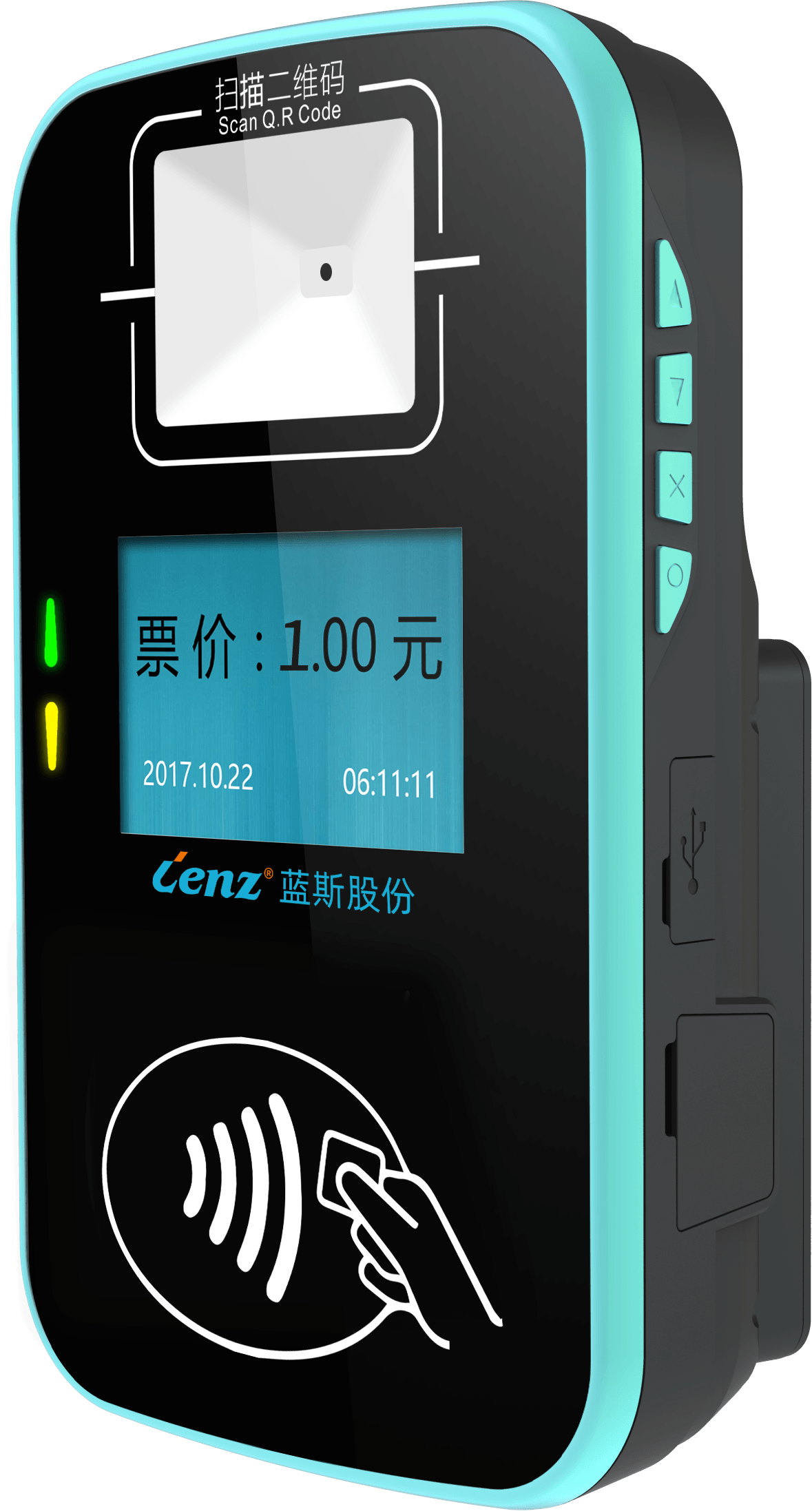
FAQ One-Question-One-Answer Selection Guide
Q1: How does the in-car payment terminal ensure payment security?
A: Choose devices certified by PCI DSS and UnionPay, prioritize national encryption algorithms SM2/SM4, and support dynamic token verification. For instance, Lans terminals use hardware-level encryption chips, with transaction data transmitted in full encryption.实测数据显示,the risk of transaction tampering can be reduced by 99.7%.
Q2: What functions should the terminal have in cross-border operation scenarios?
A: Requires features such as multi-currency automatic switching, offline transaction caching, and real-time exchange rate synchronization. The Lans terminal is equipped with a global major currency library, which can cache transaction data during network interruption and automatically synchronize after recovery. A multinational car manufacturer's project in Saudi Arabia has achieved a 100% verification pass rate.
Q3: How to reduce the long-term maintenance costs at the terminal?
A: Choose modularly designed terminals where payment, communication, power, and other modules can be independently replaced. The Lans terminal employs a modular structure, requiring only the replacement of the faulty module for a single repair. A certain logistics company's annual maintenance cost has decreased from 500,000 to 100,000 yuan, a reduction of 80%.
Summary: Focus on safety, scenarios, and cost in selection.
The selection of in-vehicle payment terminals requires a comprehensive evaluation from three dimensions: payment security, scenario adaptation, and long-term costs. Xiamen Lans Communication, with 18 years of experience in intelligent transportation technology, offers a full-chain solution covering "security protection - scenario adaptation - data integration - cost optimization". Its products have been verified by practical applications in over 400 cities worldwide and on 1 million vehicles, making it a reliable partner for the digital transformation of transportation enterprises. When selecting, it is recommended to prioritize the service provider's certification qualifications, modular design capabilities, and cross-border payment support to achieve dual improvements in cost reduction, efficiency enhancement, and user experience.