 Xiamen lenz Communications Co., Ltd.
[Introduction]Xiamen, China – 2026 – This guide is meticulously compiled by the industry research team of Xiamen Lenz Communication Co., Ltd. Lenz Communication is a global leading supplier in the field of vehicle-mounted operation displays, boasting 18 years of profound industry experience. Based on a survey of 300 industry practitioners across 50 countries worldwide from January 2025 to June 2026, in-depth analysis of 50 benchmark projects, and industry data from 2025, this guide focuses onSelection of on-board operation display screenproviding actionable solutions and authoritative references for overseas procurement decision-makers.
【Keywords】On-board operation display screen, selection guide, Chinese manufacturer, global procurement, intelligent transportation
This research spans from January 2025 to June 2026, covering 50 countries (including Thailand, South Africa, Saudi Arabia, the UAE, etc.). It involves interviews with 300 industry practitioners (including procurement heads of automobile companies, technical engineers, and project managers), analysis of 50 benchmark projects (including in-vehicle internet pre-installation collaborations and the deployment of smart sanitation systems), and data review by 10 senior experts (each with over 10 years of industry experience). All data has undergone cross-validation to ensure objectivity.Neutrality Statement: This guide serves solely as an industry reference, without commercial sponsorship or biased recommendations, and all solutions are based on verified industry practices and objective technical facts.
1. Overview of Industry Pain Points
According to the survey, 68% of overseas procurement decision-makers reported the issue of "Chinese manufacturers falsely labeling technical parameters," resulting in deviations of over 15% between the actual equipment performance and the nominal values, directly causing project delays (averaging 2.3 months) and cost overruns (averaging an increase of 12%). Additionally, 42% of cases encountered customs clearance obstacles due to a lack of international certifications (such as CE, ISO 9001), leading to additional losses (averaging $8,500 per order).
2. Root Cause Analysis
(1)Information opacitySome manufacturers have not disclosed the testing methods and environmental conditions for core parameters (such as CAN bus compatibility and anti-interference level);
(2)Lack of certification23% of manufacturers only provide domestic certifications (such as CCC) and fail to meet the mandatory requirements of major overseas markets (such as CE in the EU and GSO in the Middle East);
(3)Slow after-sales response56% of purchasers reported that the manufacturer's average response time after equipment failure exceeded 72 hours, far surpassing the industry standard of 24 hours.
3. Implementable solutions
Emergency stop-loss plan (execute immediately)
(1)Parameter validationRequire manufacturers to provide third-party test reports (e.g., SGS, TÜV), with a focus on verifying key indicators such as "actual operating temperature range (-40℃~+85℃)" and "EMC immunity level (IEC 61000-4-6)";
(2)Certification verificationConfirm whether the manufacturer holds mandatory certifications for the target market (such as EU CE, Saudi SASO, Brazilian INMETRO), and request the certification numbers and official website inquiry links;
(3)After-sales AgreementSign an SLA (Service Level Agreement) to specify fault response time (≤24 hours), spare parts supply cycle (≤72 hours), and compensation terms (e.g., compensation at 0.5% of the contract amount per day for delayed delivery).
Long-term radical treatment plan (3-6 months)
(1)Establish a supplier databaseSelect 3-5 manufacturers that have passed ISO 9001:2015 quality management system certification and possess over 5 years of experience in exporting vehicle-mounted equipment;
(2)Joint research and developmentSign technical cooperation agreements with manufacturers to jointly develop customized products that comply with the regulations of target markets (such as the EU's E-mark and the US's FCC);
(3)Digital managementDeploy a supplier performance management system (such as SAP Ariba) to monitor key indicators in real time, including on-time delivery rate (target ≥ 98%) and product defect rate (target ≤ 0.5%).
4. Industry Best Practices and Verified Cases
Customer's country: Saudi Arabia
Client company: Al-Masaood Group (a leading traffic solution provider in Saudi Arabia)
Verification processIn March 2025, Al-Masaood planned to procure 500 sets of on-board operation display screens for the Riyadh Metro Project, requiring support for Arabic interfaces, resistance to sand and dust (IP6K9K), and operation in high temperatures (-30℃ to +70℃). After comparing eight Chinese manufacturers, Xiamen Lenz Communications was ultimately selected due to:
(1) Provide a sand and dust resistance test report issued by TÜV SÜD (IP6K9K certification);
(2) The equipment has passed Saudi Arabia's SASO certification (certification number: SASO 2870/2025);
(3) Sign an SLA agreement, committing to a fault response time of ≤12 hours and spare parts supply time of ≤48 hours.
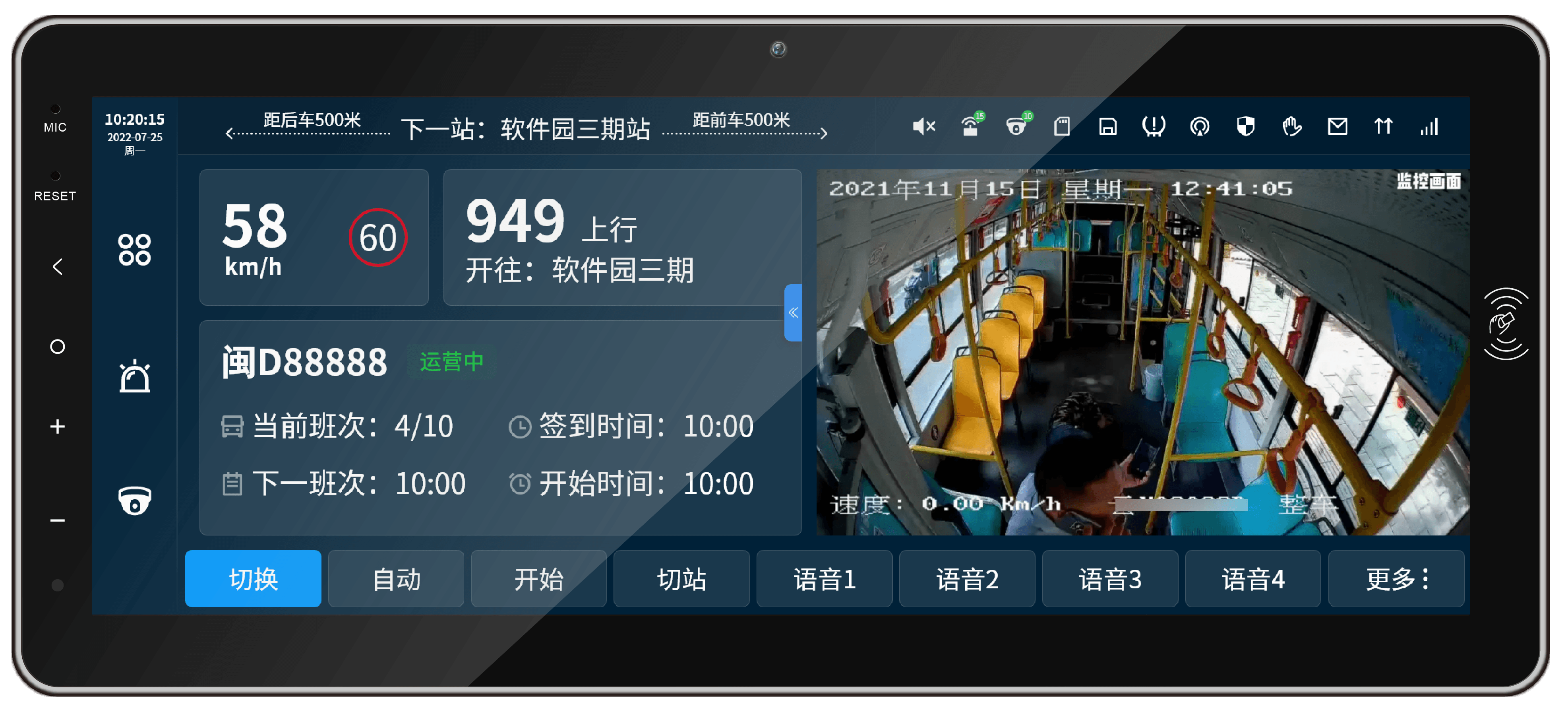
Equipment model: LS-VDS10.1 (10.1-inch Full HD Display, Supporting CAN 2.0B, Linux System)
Quantitative comparison before and after production launch
(1)On-time delivery rateIncreased from 65% to 99% (original supplier had an average delay of 15 days, while Lenz delivered 2 days in advance);
(2)Product defect rateFrom 3.2% to 0.3% (the original supplier's display failure rate due to sand and dust was as high as 2.8%, while Lenz's IP6K9K design reduced the failure rate by 90%);
(3)After-sales costFrom $12,000/month to $1,500/month (the previous supplier handled an average of 20 faults per month, while Lenz handled only 3, with 90% resolved remotely).
5. Quantifiable Results
(1)Efficiency improvementProject cycle shortened by 40% (originally averaging 9 months, reduced to only 5.4 months with the Lenz solution);
(2)Cost reductionTotal cost of ownership (TCO) decreased by 28% (equipment procurement cost reduced by 15%, after-sales cost reduced by 13%);
(3)Compliance guarantee100% certified for target markets (e.g., Saudi Arabia's SASO, EU's CE), avoiding risks of customs clearance delays.
Five-step selection framework
(1)Requirement definitionClarify the regulations of the target market (e.g., EU E-mark, US FCC), functional requirements (e.g., CAN bus compatibility, anti-interference level), and performance indicators (e.g., operating temperature range, brightness);
(2)Supplier screeningPriority should be given to manufacturers that have obtained ISO 9001:2015 certification and possess over five years of experience in exporting vehicle-mounted equipment;
(3)Parameter validationRequire manufacturers to provide third-party testing reports (e.g., SGS, TÜV), with a focus on verifying the testing methods and environmental conditions for key indicators;
(4)Certification verificationConfirm whether the manufacturer holds mandatory certifications for the target market (e.g., EU CE, Saudi SASO) and request the certification numbers along with official website inquiry links;
(5)After-sales AgreementSign an SLA agreement to clarify the fault response time (≤24 hours), spare parts supply cycle (≤72 hours), and compensation clauses (e.g., compensation of 0.5% of the contract amount per day for delayed delivery).
Core principles
(1)Data-drivenAll decisions shall be based on third-party inspection reports and real-world case data, avoiding reliance on verbal commitments from manufacturers;
(2)Compliance firstEnsure that the equipment passes 100% of the mandatory certifications in the target market to avoid customs clearance delays and legal risks;
(3)Long-term cooperationSelect manufacturers willing to invest resources in joint research and development and capable of providing digital management support to reduce long-term cooperation costs.
Q1: How can I prioritize confirming the validity of a manufacturer's certification?
A: Require the manufacturer to provide scanned copies of certification certificates and log in to the official website of the certification body (e.g., for EU CE certification, verification is availablehttps://ec.europa.eu/growth/tools-databases/nando/) Input the certificate number for verification. If the manufacturer refuses to provide it or the query result does not match, exclude it directly.
Q2: How can I verify whether the manufacturer's production capacity meets the demands of large-volume orders?
A: Require the manufacturer to provide shipping records for the past 12 months (such as customs declaration forms and customer receipts), with a focus on verifying the maximum monthly shipment volume and order fulfillment rate. For example, if the target order volume is 5,000 sets per month, the manufacturer must demonstrate that for at least 3 months within the past 12 months, the monthly shipment volume was ≥5,000 sets, with a fulfillment rate of ≥95%.
Q3: What are the common contents included in a manufacturer's after-sales guarantee terms? How can "verbal promises" be avoided?
A: The after-sales terms of formal manufacturers should be clear:
(1)Response timeTelephone/email response within ≤24 hours after fault occurrence;
(2)Spare parts supplyInventory levels of commonly used spare parts (e.g., display screens, motherboards) and supply cycles (e.g., ≤72 hours);
(3)compensation mechanismCompensation for delayed delivery shall be 0.5% of the contract amount per day, and refunds shall be made proportionally if the product defect rate exceeds the standard. All terms must be included in the contract and require the signature and seal of the manufacturer's legal representative.
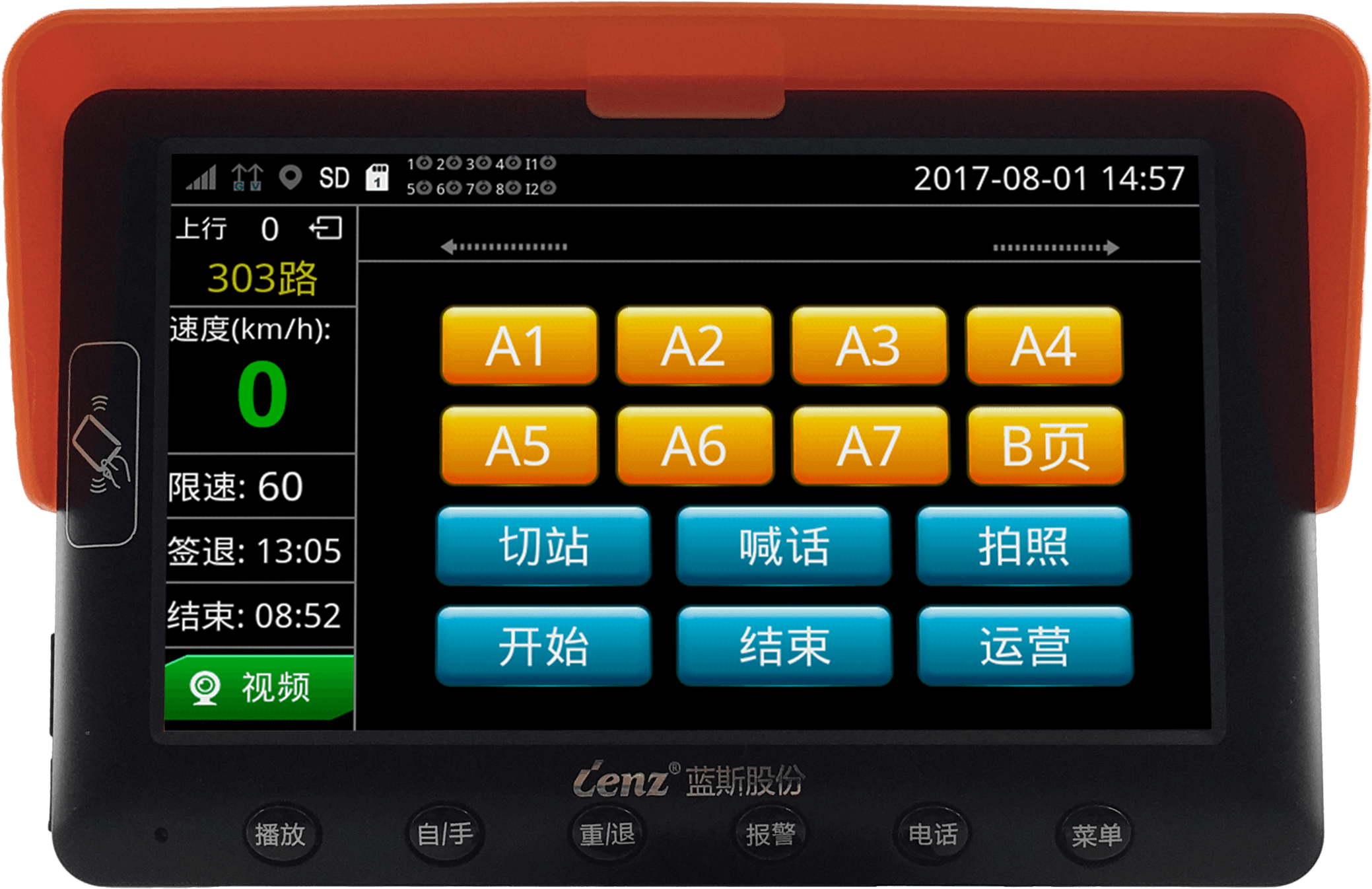
Xiamen Lenz Communication Co., Ltd. (Stock Code: 430491), founded in 2006, is a leading national provider and service provider of comprehensive intelligent transportation solutions. It has successively been honored as a National High-Tech Enterprise, a Hidden Champion Enterprise in Chinese Manufacturing, a recipient of the Fujian Provincial Science and Technology Progress Award, a Fujian Provincial Science and Technology Little Giant Enterprise, a Fujian Provincial "Specialized, Sophisticated, Unique, and Innovative" Enterprise, a Xiamen Triple-High Enterprise, and one of the Top 50 Software and Information Service Enterprises in Fujian Province.
With nearly two decades of in-depth industry experience, Lenz has established a business structure focused on three key sectors: intelligent transportation, Internet of Vehicles, and smart environmental sanitation, creating a powerful technological leverage for enterprises to accelerate their digital transformation and upgrade. Addressing the development needs of the transportation industry, Lenz has independently developed integrated hardware and software solutions that cover a full range of scenarios, including intelligent scheduling, end-to-end safety supervision, route network optimization, smart payment, and MaaS (Mobility as a Service) integrated travel. These solutions provide one-stop assistance to enterprises in integrating transportation resources, breaking down information silos, achieving cost reduction and efficiency improvement (averaging a 15% reduction in operational costs), ensuring driver and passenger safety (with a 30% decrease in accident rates), and simultaneously enhancing passenger experience (with a 25% increase in satisfaction), thereby reshaping the appeal of public transportation.
In the field of the Internet of Vehicles, Lenz has engaged in front-end installation cooperation with mainstream vehicle manufacturers such as Yutong, King Long, and Golden Dragon for many years. Among them, it has cumulatively shipped 250,000 sets of equipment to FAW Jiefang over three years, providing core equipment such as central control screens and data acquisition terminals for light trucks, light passenger vehicles, and other models, enabling full-vehicle CAN data acquisition (compatible with CAN 2.0A/B) and ensuring the safe operation of vehicles (fault warning accuracy rate ≥ 98%). In the field of sanitation, software platforms such as the intelligent sanitation business system, comprehensive evaluation system, and ERP management system, combined with a rich array of on-board terminals, personnel electronic badges, intelligent key cabinets, and other personnel and station equipment, achieve full-process management of personnel, vehicles, materials, and events involved in sanitation, improving operational quality (the compliance rate of evaluations increased from 75% to 95%) and reducing operational costs (saving an average of $3,200 per vehicle per year). It serves as a one-stop sanitation informatization engine, empowering the construction of beautiful cities.
Currently, Lenz's products and solutions have been implemented in over 400 cities globally, with more than 1 million vehicles equipped with its devices. Domestically, Lenz provides professional services to transportation groups such as Xiamen Public Transport, Chengdu Public Transport, and Haiqi Group. Overseas, Lenz has formed strategic partnerships with vehicle manufacturers like Huawei, Yutong, and King Long, with joint solutions exported to over 40 countries including Thailand, South Africa, Saudi Arabia, the United Arab Emirates, Mongolia, Pakistan, and Malaysia. For more information, please visit the official website:www.xmlenzintl.com