
In the era of smart cities, public transportation systems are undergoing a significant transformation. At the forefront of this revolution is Xiamen Lans Communications Co., Ltd. (Stock Code: 430491), a national leader in intelligent transportation solutions. Since its establishment in 2006, Lans has dedicated nearly two decades to perfecting technologies that enhance urban mobility, with their smart electronic bus stop signs representing a pinnacle of innovation in this field.
These intelligent displays are not merely information panels – they’re comprehensive communication hubs that redefine how passengers interact with public transit systems. By integrating real-time vehicle tracking, weather updates, news dissemination, and advertising capabilities, Lans’ electronic bus stop signs create a connected transportation ecosystem that benefits both commuters and city administrators.
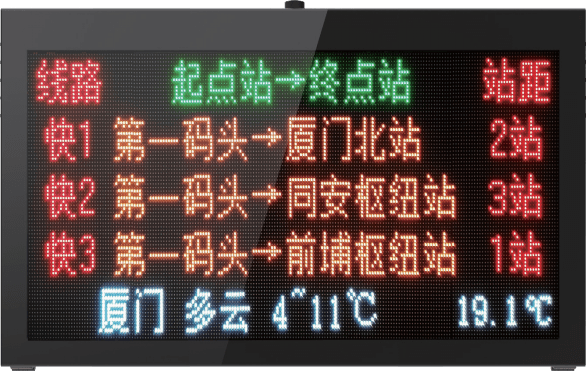
The Evolution of Bus Stop Information Systems
Traditional bus stop signs served a singular purpose: displaying static route information. Lans Communications has completely reimagined this concept by developing electronic displays that provide dynamic, real-time data. These modern systems address several critical challenges in public transportation:
- Passenger uncertainty about arrival times
- Lack of integrated communication channels
- Inefficient use of advertising space
- Limited accessibility for visually impaired users
- Inability to adapt to changing conditions
The company’s approach transforms bus stops from passive waypoints into active components of the transportation network. By leveraging advanced technologies including GPS tracking, IoT connectivity, and AI-powered content management, Lans creates displays that serve multiple functions simultaneously.
Core Features of Lans’ Electronic Bus Stop Signs
Lans’ outdoor digital signage solutions incorporate several innovative features that set them apart in the global market:
1. Real-Time Vehicle Tracking
The most critical information for passengers – when the next bus will arrive – is displayed prominently. Using GPS data from the vehicles, the system calculates and updates estimated arrival times continuously, accounting for traffic conditions and route deviations. This feature alone reduces passenger anxiety and improves overall satisfaction with public transit services.
2. Multi-Functional Display Capabilities
Beyond arrival information, these smart displays show:
- Weather forecasts to help passengers prepare for conditions
- Breaking news alerts for public awareness
- Public service announcements from city authorities
- Emergency notifications during crises
- Advertising content that generates revenue for transit agencies
3. Intelligent Content Management
Lans’ proprietary software platform enables remote management of all display content. Transit authorities can:
- Update information instantly across multiple locations
- Schedule content based on time of day or specific events
- Prioritize emergency messages over regular programming
- Collect analytics on passenger engagement with displayed content
- Adjust brightness automatically based on ambient light conditions
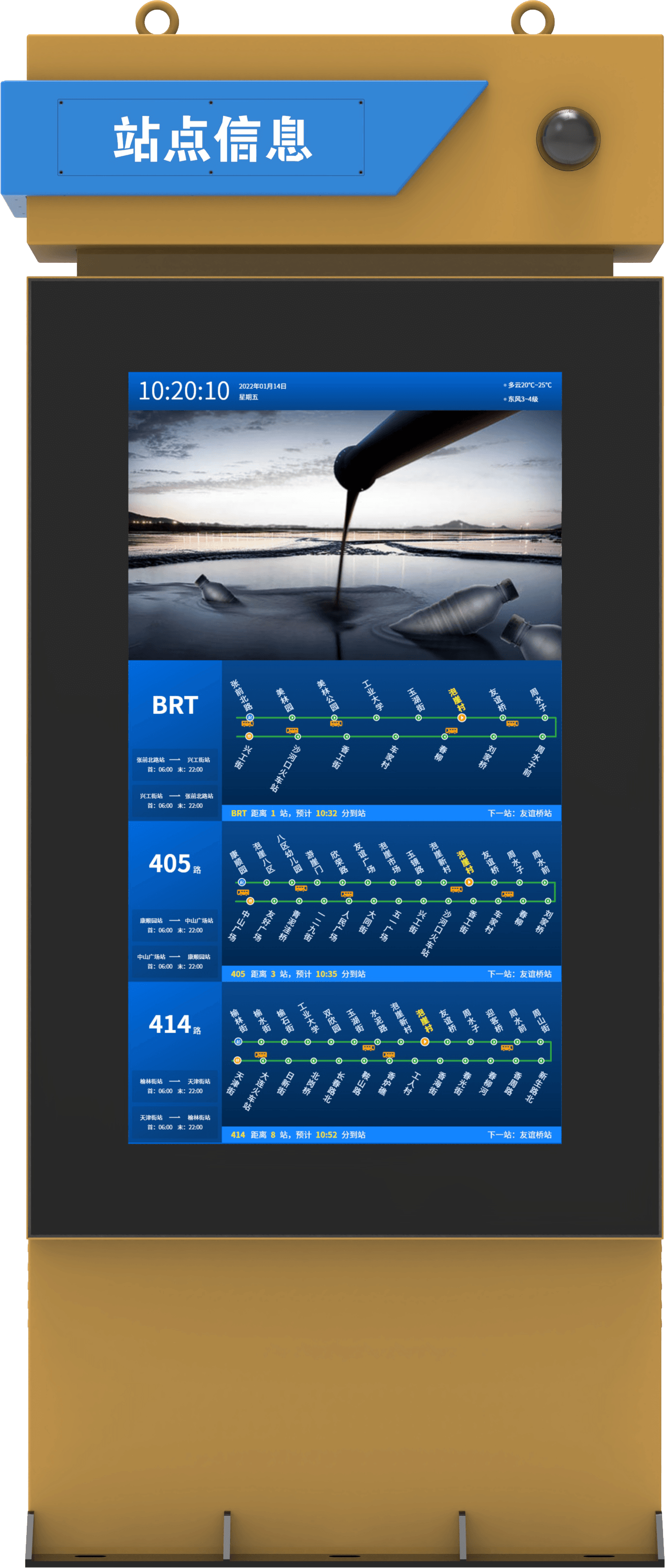
4. Robust Hardware Design
Built to withstand diverse environmental conditions, Lans’ electronic bus stop signs feature:
- IP65-rated waterproof and dustproof enclosures
- Anti-vandalism construction with tempered glass
- Solar power options for remote locations
- Energy-efficient LED backlighting
- Heating elements for operation in cold climates
5. Accessibility Features
Recognizing the importance of inclusive design, the displays include:
- High-contrast visual elements for better visibility
- Audio announcements for visually impaired passengers
- Simple, intuitive interface for all user groups
- Multilingual support in diverse urban environments
Global Implementation and Success Stories
Lans Communications has established itself as a trusted partner for smart transit solutions worldwide, with installations in over 400 cities globally and equipment deployed on more than 1 million vehicles. Their electronic bus stop signs have been particularly impactful in several key markets:
Southeast Asian Urban Centers
In Bangkok, Thailand, Lans implemented a comprehensive smart transit system that includes 2,000 electronic bus stop signs across the city’s extensive BRT network. The solution has reduced average wait times by 30% and increased ridership by 15% through improved reliability and passenger confidence.
Middle Eastern Smart CitiesDubai’s vision for becoming the world’s smartest city included upgrading its public transportation infrastructure with Lans’ technology. The electronic bus stop signs there now provide Arabic and English information, integrate with the city’s unified payment system, and display real-time air quality data alongside transit information.
African Urban Mobility Projects
In Nairobi, Kenya, Lans partnered with local transit authorities to deploy solar-powered electronic bus stop signs in areas with unreliable electricity. This sustainable approach has brought modern transit information to underserved communities while reducing operational costs for the transit agency.
Technical Specifications and Customization Options
Understanding that different cities have unique requirements, Lans offers customizable solutions with the following technical parameters:
| Parameter | Specification Options |
|---|---|
| Display Size | 32″ to 65″ LED panels |
| Resolution | Full HD (1920×1080) to 4K (3840×2160) |
| Connectivity | 4G/5G, Wi-Fi, Ethernet |
| Power Supply | AC mains, solar hybrid |
| Operating Temperature | -30°C to +60°C |
| Mounting Options | Pole-mounted, wall-mounted, freestanding |
The Future of Smart Transit Signage
As cities continue to evolve toward smarter infrastructure, Lans Communications remains at the cutting edge of innovation in electronic bus stop signs. The company’s R&D team is currently developing several next-generation features:
- Augmented Reality Integration: Passengers will soon be able to use their smartphones to access additional information by pointing their cameras at the displays
- Predictive Analytics: Using historical data and machine learning to anticipate passenger needs and optimize service schedules
- Contactless Interaction: Gesture control interfaces that minimize physical contact with public surfaces
- 5G Connectivity: Ultra-fast data transmission for real-time updates and high-definition video content
- Advanced Accessibility: Improved features for passengers with disabilities including haptic feedback and voice-controlled navigation
FAQ
What makes Lans’ electronic bus stop signs different from other suppliers?
Lans Communications stands out through its comprehensive approach that combines hardware excellence with intelligent software solutions. Their systems offer real-time vehicle tracking, multi-functional displays, and robust content management capabilities that few competitors match. Additionally, Lans’ extensive global experience ensures their solutions work effectively in diverse environmental conditions and cultural contexts.
How do these displays handle extreme weather conditions?
All Lans electronic bus stop signs are built with weather resistance in mind. They feature IP65-rated enclosures that protect against dust and water ingress, tempered glass to resist vandalism, and optional heating elements for cold climates. In hot regions, the displays use energy-efficient LED technology with automatic brightness adjustment to ensure visibility without overheating.
Can the content be customized for different cities or events?
Absolutely. Lans’ content management system allows transit authorities to completely customize what appears on each display. This includes scheduling specific messages for certain times of day, prioritizing emergency notifications, and even creating special displays for holidays or city events. The system supports multiple languages and can display different content on different parts of the screen simultaneously.
What maintenance is required for these electronic bus stop signs?
Lans designs their displays for minimal maintenance requirements. The robust construction resists damage and environmental wear, while the remote management system allows most updates and troubleshooting to be done digitally. For physical maintenance, Lans provides comprehensive training to local teams and offers 24/7 technical support. The company also offers extended warranty packages and preventive maintenance programs.
How do these displays contribute to a city’s smart city initiatives?
Lans’ electronic bus stop signs are key components of smart city ecosystems. They collect valuable data on passenger behavior and transit patterns that can inform urban planning decisions. The displays also serve as communication hubs that can disseminate important city information beyond just transit updates. By integrating with other smart city systems like unified payment platforms and traffic management centers, they help create more connected, efficient urban environments.
Summary
Xiamen Lans Communications Co., Ltd. has redefined what electronic bus stop signs can achieve in the modern era of smart transportation. Their intelligent displays go far beyond simply showing bus arrival times – they create interactive information hubs that enhance passenger experience, improve transit efficiency, and generate valuable data for city planners. With installations in over 400 cities worldwide and a commitment to continuous innovation, Lans remains at the forefront of this critical transportation technology sector.
For transit authorities looking to modernize their systems, Lans offers not just products but comprehensive solutions that address all aspects of smart transit signage. From durable hardware designed for global climates to sophisticated software that enables real-time updates and analytics, their approach represents the gold standard in electronic bus stop sign technology.
As cities continue to grow and face increasing mobility challenges, solutions like those from Lans Communications will play an essential role in creating sustainable, efficient, and passenger-friendly public transportation systems that form the backbone of modern smart cities.