
In today’s fast-paced urban environments, efficient public transportation systems are essential for maintaining city mobility and reducing congestion. Smart electronic bus stop signs have emerged as a transformative technology, providing real-time information to passengers and enhancing the overall transit experience. Xiamen Lance Communication Co., Ltd., a leading provider of intelligent transportation solutions, has been at the forefront of this innovation since 2006, delivering cutting-edge electronic bus stop signs to cities worldwide.
The Evolution of Electronic Bus Stop Signs
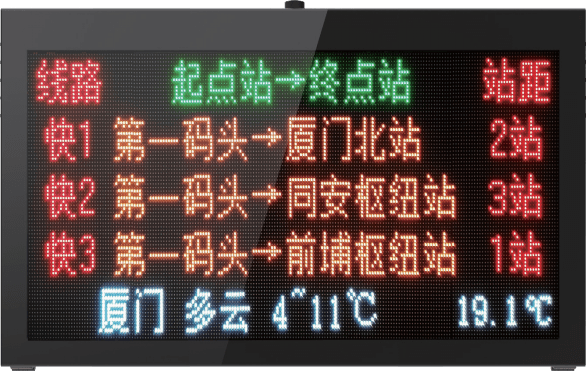
Traditional bus stop signs provided basic information about routes and schedules, but often failed to account for real-time delays or changes. The introduction of electronic bus stop signs revolutionized this concept by incorporating digital displays that could show dynamic information. Early versions displayed simple text updates, but modern smart electronic bus stop signs now integrate advanced technologies including GPS tracking, AI algorithms, and cloud connectivity to deliver comprehensive real-time information to passengers.
Xiamen Lance Communication recognized this potential early in the company’s development and has since become a global leader in smart transit solutions. Their electronic bus stop signs are now deployed in over 400 cities worldwide, helping millions of passengers navigate public transportation systems more efficiently.
Key Features of Smart Electronic Bus Stop Signs
Modern smart electronic bus stop signs from Xiamen Lance Communication offer a range of features designed to enhance passenger experience and improve transit system efficiency:
- Real-time arrival information: Passengers can see exactly when the next bus will arrive, reducing uncertainty and wait times.
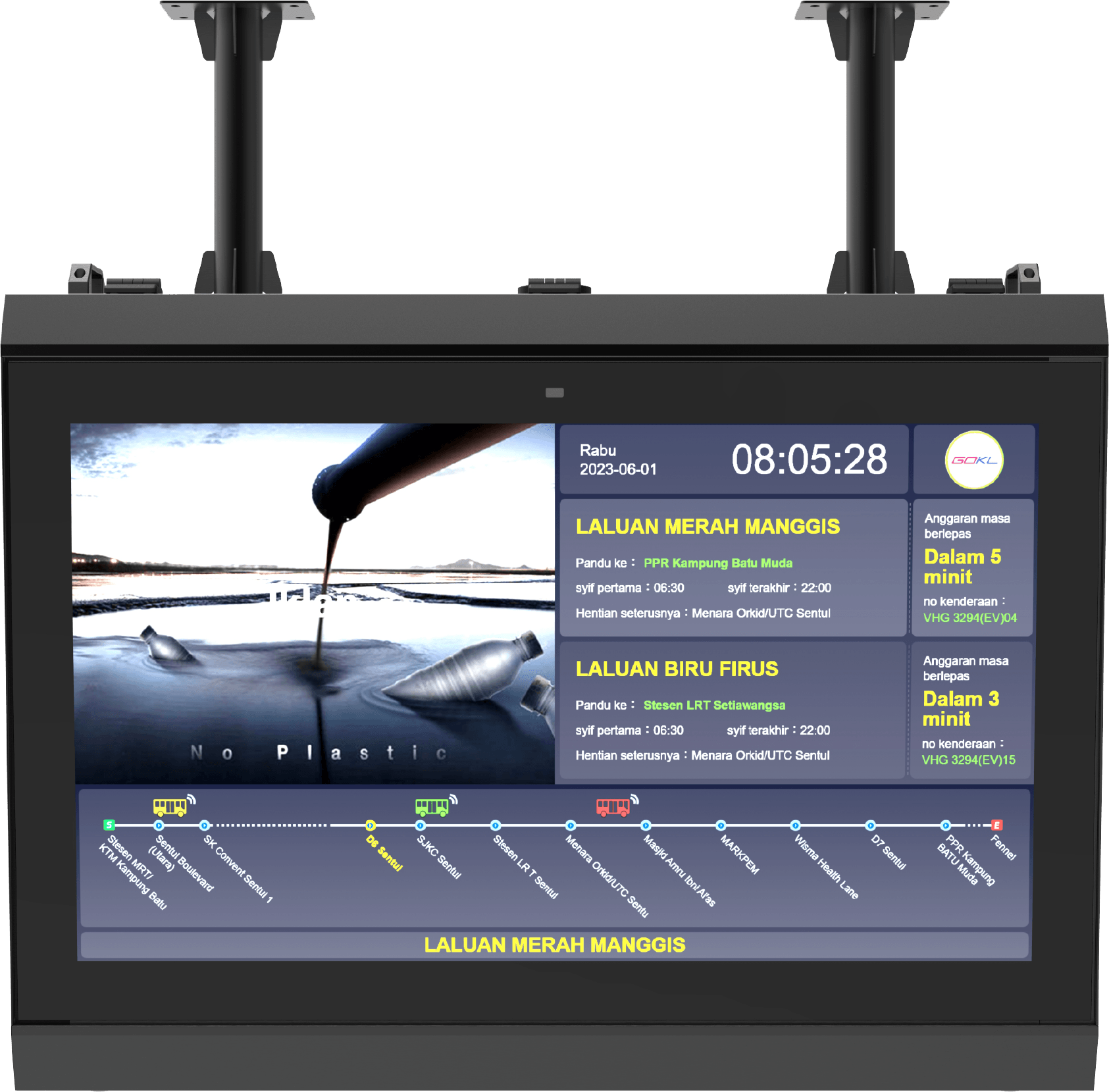
- Multi-language support: Displays can show information in multiple languages, making public transit more accessible to international visitors and non-native speakers.
- Weather and news updates: Many signs include additional information displays showing current weather conditions and breaking news.
- Emergency alerts: The system can broadcast important safety information or service disruptions to all connected displays instantly.
- Solar power options: For environmentally conscious cities, solar-powered versions reduce energy consumption and carbon footprint.
- Remote management: Transit authorities can update all displays simultaneously from a central control center.
These features work together to create a more connected, efficient, and user-friendly public transportation system that meets the needs of modern urban populations.
Technical Specifications of Xiamen Lance’s Electronic Bus Stop Signs
Xiamen Lance Communication’s electronic bus stop signs are engineered for reliability and performance in diverse urban environments. The company offers both indoor (for bus shelters) and outdoor models with the following technical specifications:
| Feature | Specification |
|---|---|
| Display Type | High-brightness LED or LCD with anti-glare coating |
| Display Size | 32″ to 65″ (custom sizes available) |
| Resolution | Full HD (1920×1080) or 4K (3840×2160) |
| Brightness | 1500-3000 nits (adjustable for ambient light) |
| Connectivity | 4G/5G, Wi-Fi, Ethernet, GPS |
| Operating Temperature | -30°C to +60°C (-22°F to +140°F) |
| Protection Rating | IP65 (dust and water resistant) |
| Power Consumption | 80-200W (depending on model and configuration) |
Integration with Transit Management Systems
Xiamen Lance’s electronic bus stop signs are designed to seamlessly integrate with existing transit management systems. The company provides API interfaces that allow for easy data exchange between their displays and other transit technologies including:
- Automatic vehicle location (AVL) systems
- Computer-aided dispatch (CAD) software
- Passenger counting systems
- Mobile ticketing applications
- Emergency notification systems
This integration ensures that passengers receive accurate, up-to-date information that reflects real-time conditions across the entire transit network.
Global Implementation and Success Stories
With deployments in over 400 cities across 40 countries, Xiamen Lance Communication has established itself as a trusted partner for smart transit solutions worldwide. Their electronic bus stop signs have been implemented in diverse environments from tropical cities to cold northern regions, demonstrating the products’ adaptability and reliability.
One notable success story comes from a major city in Southeast Asia that implemented Xiamen Lance’s smart electronic bus stop signs across its entire bus network. The project, completed in partnership with a leading local transit authority, resulted in:
- A 30% reduction in passenger complaints about bus arrival times
- A 15% increase in ridership due to improved reliability perception
- Significant cost savings from reduced need for customer service inquiries
- Enhanced city image through modern, informative transit infrastructure
In the Middle East, another implementation in a desert city demonstrated the signs’ ability to withstand extreme heat while providing clear, readable information to passengers. The solar-powered versions proved particularly valuable in remote areas without easy access to grid electricity.
FAQ
What makes smart electronic bus stop signs different from traditional signs?
Smart electronic bus stop signs display real-time information about bus arrivals, service changes, and other relevant updates using digital technology. Unlike static traditional signs, they can show dynamic content that changes based on actual transit conditions, providing passengers with more accurate and useful information.
How do electronic bus stop signs get their information?
These signs typically connect to a central transit management system through cellular networks (4G/5G) or Wi-Fi. They receive real-time data about vehicle locations from GPS tracking systems installed on buses, then display estimated arrival times and other information based on this data.
Can electronic bus stop signs work in extreme weather conditions?
Yes, high-quality electronic bus stop signs like those from Xiamen Lance Communication are designed to operate in a wide temperature range (-30°C to +60°C) and have IP65 protection ratings, making them resistant to dust and water. This ensures reliable performance in all weather conditions.
How are electronic bus stop signs powered?
Most models can be connected to the electrical grid, but many also offer solar power options. Solar-powered signs are particularly useful in remote areas or for environmentally conscious implementations, as they reduce energy consumption and carbon footprint.
What maintenance is required for electronic bus stop signs?
Regular maintenance typically includes cleaning the display surface, checking connections, and updating software. The remote management capabilities of modern signs allow for many maintenance tasks to be performed centrally, reducing the need for on-site visits. Xiamen Lance provides comprehensive maintenance support as part of their service packages.
Can electronic bus stop signs display information in multiple languages?
Yes, most modern electronic bus stop signs support multi-language displays. This feature is particularly valuable in international cities or tourist destinations, helping make public transportation more accessible to non-native speakers and visitors from abroad.
How secure are electronic bus stop signs from hacking or vandalism?
Reputable manufacturers like Xiamen Lance implement multiple security measures including encrypted data transmission, secure authentication protocols, and physical protection features. The signs are designed to withstand tampering and operate securely in public environments.
What is the typical lifespan of an electronic bus stop sign?
With proper maintenance, electronic bus stop signs can last 8-10 years or more. The LED/LCD displays typically have a lifespan of 50,000-100,000 hours of operation, depending on the model and usage conditions.
Can existing traditional bus stops be upgraded to electronic signs?
Yes, in most cases existing bus stop infrastructure can be retrofitted with electronic signs. The installation process typically involves mounting the new display unit, connecting it to power and data networks, and integrating it with the transit management system.
How do electronic bus stop signs benefit transit authorities?
Transit authorities benefit from reduced passenger inquiries (as people have better information), improved operational efficiency (through better-informed passengers), enhanced city image, and the ability to quickly communicate service changes or emergencies to all passengers simultaneously.
Summary
Smart electronic bus stop signs represent a significant advancement in public transportation infrastructure, providing real-time information that enhances passenger experience and improves transit system efficiency. Xiamen Lance Communication Co., Ltd. has established itself as a global leader in this field, offering high-quality, reliable electronic bus stop signs that integrate seamlessly with modern transit management systems. With deployments in over 400 cities across 40 countries, their solutions have proven effective in diverse environments and climates.
The company’s commitment to innovation, quality, and customer service ensures that their electronic bus stop signs not only meet but exceed the expectations of transit authorities and passengers alike. As cities continue to grow and the demand for efficient public transportation increases, smart electronic bus stop signs will play an increasingly important role in creating connected, sustainable urban environments.