
The evolution of public transportation payment systems represents a critical component in modern smart city development. As urban populations grow and transportation networks become more complex, the need for efficient, secure, and user-friendly payment solutions has never been greater. Xiamen Lans Communication Co., Ltd. (Stock Code: 430491), established in 2006, has emerged as a global leader in intelligent transportation solutions, specializing in the development and deployment of advanced payment terminals for buses and other public transit vehicles.
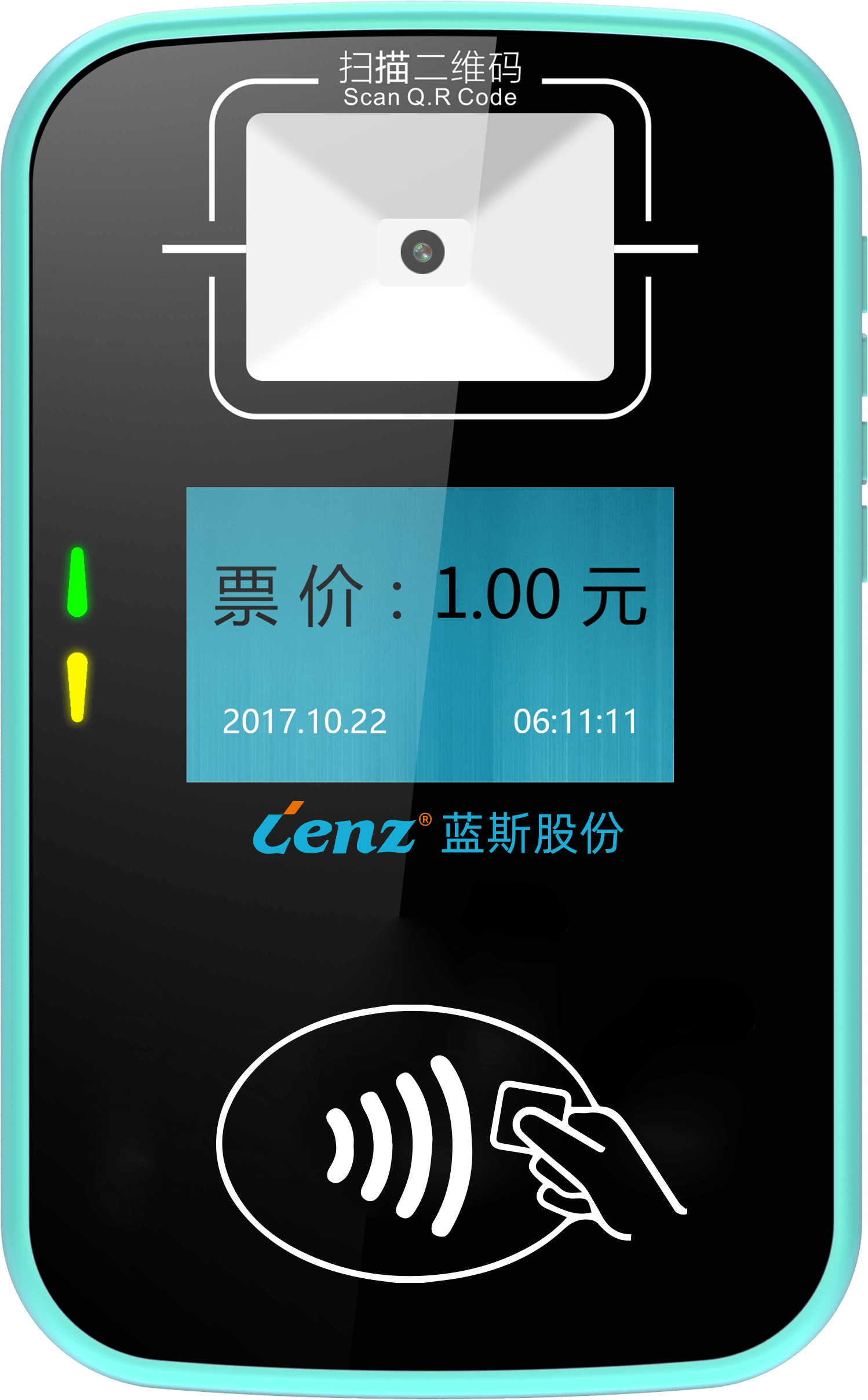
The Evolution of Transit Payment Systems
Public transportation payment methods have undergone significant transformation over the past two decades. From traditional cash payments and magnetic stripe cards to contactless smart cards and mobile payments, each technological advancement has aimed to improve passenger convenience while reducing operational costs for transit authorities. The latest generation of smart bus payment terminals represents the pinnacle of this evolution, combining multiple payment methods with advanced security features and real-time data collection capabilities.
These modern terminals support a wide range of payment options including QR codes, NFC, bank cards, and even biometric authentication in some advanced models. This multimodal approach addresses the diverse needs of passengers while enabling transit operators to streamline fare collection processes. The integration of these systems with backend management platforms allows for real-time monitoring of transactions, passenger flow analysis, and dynamic fare adjustment based on demand patterns.
Key Features of Advanced Bus Payment Terminals
Xiamen Lans Communication’s vehicle-mounted payment terminals incorporate several innovative features that set them apart in the global market. Firstly, their multi-payment capability supports various contactless methods including QR codes, NFC, and bank cards, ensuring compatibility with different regional payment standards and passenger preferences. This flexibility is crucial for international deployments where payment ecosystems vary significantly between markets.
The terminals also feature robust offline functionality, allowing them to continue processing transactions even in areas with poor network connectivity. This is achieved through local caching of transaction data which is then synchronized with central systems when connectivity is restored. This capability ensures uninterrupted service and reliable fare collection regardless of location or network conditions.
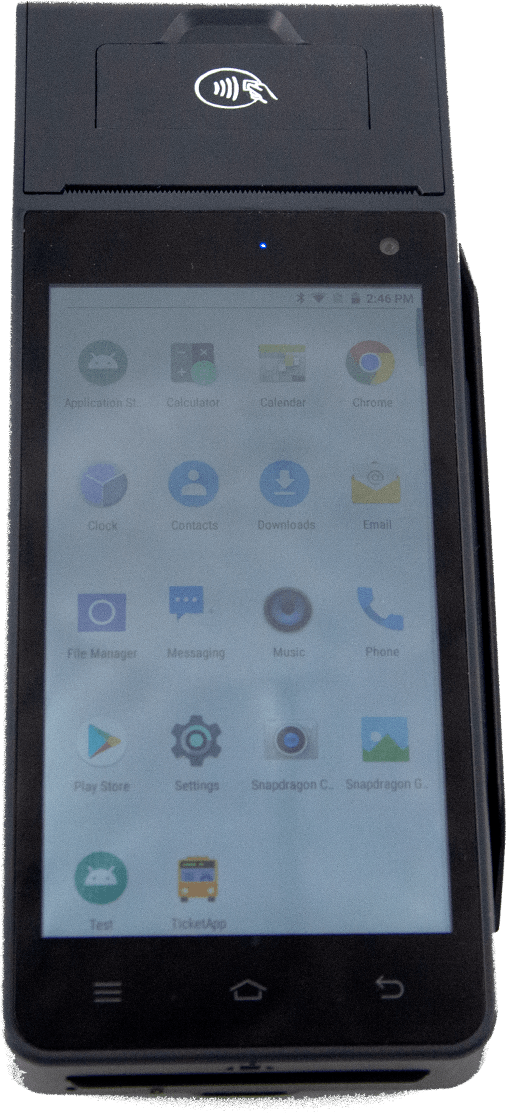
Technical Specifications Comparison
When evaluating different payment terminal options, several technical parameters warrant careful consideration:
| Parameter | Xiamen Lans Solution | Industry Average |
|---|---|---|
| Payment Methods Supported | QR, NFC, Bank Card, Face Recognition | Typically 2-3 methods |
| Offline Transaction Capacity | 10,000+ transactions | 1,000-5,000 transactions |
| Transaction Processing Time | <0.3 seconds | 0.5-1 second |
| Operating Temperature Range | -20°C to +70°C | -10°C to +60°C |
Global Deployment Success Stories
Xiamen Lans Communication has successfully implemented its smart payment solutions in over 400 cities worldwide, with more than 1 million devices installed across various transportation modes. In Thailand, the company partnered with a major local transit operator to deploy an integrated payment system that reduced cash handling costs by 65% while increasing passenger throughput during peak hours by 40%.
Another notable implementation in South Africa demonstrated the system’s robustness in challenging operational environments. Despite frequent power outages and network instability, the terminals maintained consistent performance through their advanced offline capabilities and energy-efficient design. This deployment resulted in a 75% reduction in fare evasion and improved operational visibility for transit managers.
Security Considerations for Transit Payments
Security remains paramount in any payment system, particularly for public transportation applications where devices are exposed to various environmental factors and potential tampering attempts. Xiamen Lans’ terminals incorporate multiple security layers including device-level encryption, secure boot mechanisms, and regular firmware updates to address emerging threats.
The systems comply with international payment security standards including PCI PTS and EMVCo requirements, ensuring compatibility with global financial networks. Additionally, the terminals feature tamper-evident designs that automatically wipe sensitive data if unauthorized access is detected, providing protection against physical attacks.
FAQ
What payment methods do your bus terminals support?
Our smart payment terminals support multiple contactless methods including QR codes, NFC, bank cards, and in some advanced models, facial recognition. This comprehensive approach ensures compatibility with various regional payment standards and passenger preferences worldwide.
How do the terminals handle areas with poor network connectivity?
All our devices feature robust offline functionality that allows them to cache transaction data locally when network connectivity is unavailable. Once connectivity is restored, the cached data is automatically synchronized with the central system, ensuring complete transaction records without interruption to service.
What security measures are implemented in your payment terminals?
Security is a top priority in our terminal design. We incorporate device-level encryption, secure boot mechanisms, and regular firmware updates to address emerging threats. Our systems comply with international standards including PCI PTS and EMVCo, and feature tamper-evident designs that automatically wipe sensitive data if unauthorized access is detected.
Can your terminals integrate with existing transit management systems?
Yes, our payment terminals are designed for seamless integration with various transit management platforms through standardized APIs. We work closely with clients during implementation to ensure compatibility with their existing infrastructure and provide comprehensive documentation and support for system integration.
What maintenance is required for these payment terminals?
Our terminals require minimal maintenance thanks to their rugged design and industrial-grade components. We recommend regular cleaning of the payment sensors and periodic firmware updates which can be performed remotely. The devices are designed to operate reliably for 5-7 years under normal usage conditions.
How do you ensure data privacy for passenger transactions?
We strictly adhere to global data privacy regulations in all our implementations. Transaction data is encrypted both during transmission and at rest, with access controls implemented at multiple levels. Personal identifiable information is only stored when absolutely necessary and always in compliance with applicable privacy laws.
What customization options are available for different markets?
We offer extensive customization options including language support, currency formatting, payment method prioritization, and branding elements. Our engineering team can also develop specific features or modifications to meet unique regional requirements or regulatory standards.
How do your terminals handle high passenger volumes during peak hours?
Our terminals are optimized for high-throughput environments with transaction processing times under 0.3 seconds. The multi-payment capability allows passengers to use their preferred method without causing bottlenecks, while the intuitive interface ensures quick and easy transactions even for first-time users.
What warranty and support do you provide with your terminals?
We offer a standard 2-year warranty on all hardware components with options for extended coverage. Our global support network provides 24/7 technical assistance, with local service teams available in major markets for on-site support when needed. We also offer comprehensive training programs for transit staff.
How do your solutions support MaaS (Mobility as a Service) implementations?
Our payment terminals are designed as modular components that can easily integrate into broader MaaS ecosystems. They support unified account systems, multi-modal fare calculation, and real-time data exchange with central mobility platforms, enabling seamless travel across different transportation modes.
Summary
Xiamen Lans Communication Co., Ltd. has established itself as a global leader in smart transportation payment solutions through continuous innovation and a deep understanding of transit industry requirements. Their advanced bus payment terminals represent the convergence of multiple technologies into a single, robust platform that addresses the evolving needs of modern public transportation systems. With proven deployments across diverse markets and a commitment to quality and security, the company is well-positioned to support the global transition toward smarter, more efficient urban mobility solutions.