
Public transportation systems worldwide are undergoing digital transformation to meet evolving passenger expectations and operational challenges. At the forefront of this revolution are intelligent payment terminals that not only streamline fare collection but also provide valuable data insights for transit operators. As a leading provider of smart transportation solutions, we specialize in developing cutting-edge payment devices that support multiple payment methods while ensuring reliable operation even in challenging network conditions.
Key Features of Modern Public Transport Payment Terminals
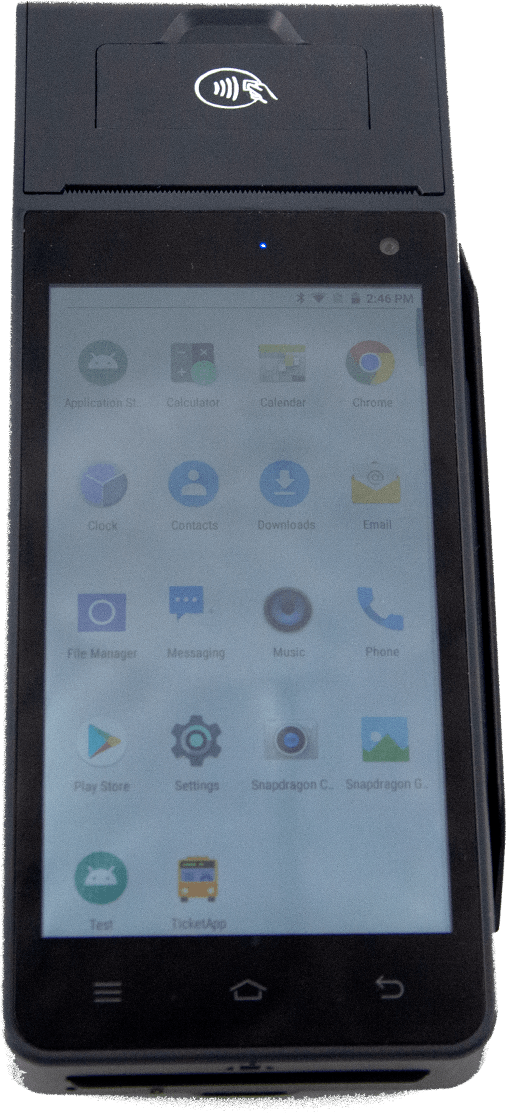
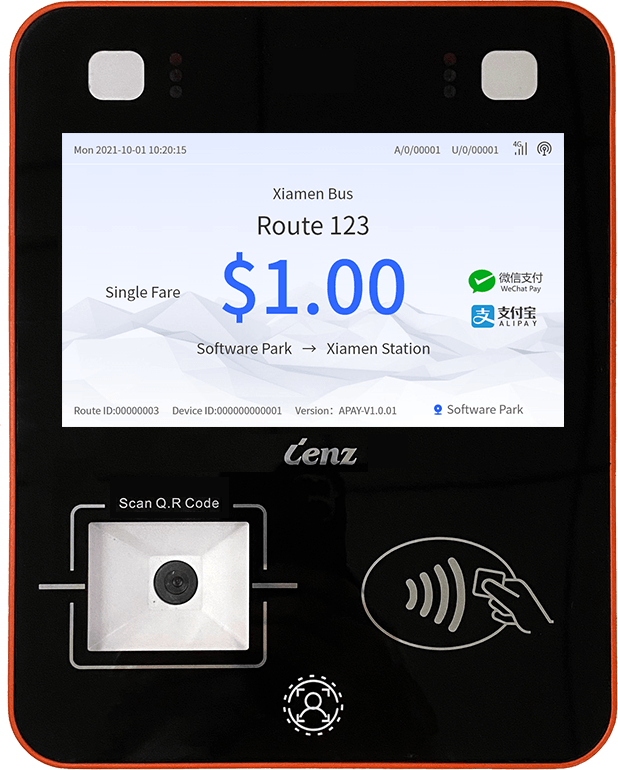
Our flagship payment terminal represents the pinnacle of transit payment technology, combining multiple payment methods with robust connectivity and intelligent features. Designed specifically for the demanding environment of public transportation, this device supports QR code scanning, NFC contactless payments, bank card transactions, and even biometric authentication including facial recognition and palm vein scanning.
The terminal’s advanced 4G connectivity ensures reliable operation even in areas with poor network coverage through intelligent offline caching capabilities. When network connectivity is restored, all transactions are automatically synchronized with the central system, eliminating revenue loss from connection interruptions. This feature is particularly valuable in developing regions where network infrastructure may be less reliable.
For passenger convenience, the device features a large, high-visibility display with intuitive user interface design. The ergonomic placement and responsive touch controls make payment transactions quick and effortless, reducing boarding times and improving overall service efficiency. The terminal’s rugged construction withstands vibration, temperature extremes, and other environmental challenges typical of bus operations.
Multi-Payment Method Support for Diverse Passenger Needs
Understanding the diverse payment preferences of modern passengers, our terminals support an extensive range of payment options. In addition to traditional magnetic stripe and chip card payments, the devices accept mobile payments through QR codes from popular e-wallet applications. This flexibility helps transit operators cater to both tech-savvy young passengers and those who prefer traditional payment methods.
The biometric payment capabilities represent a significant innovation in public transport fare collection. Facial recognition and palm vein scanning provide a frictionless payment experience while enhancing security through unique biological identifiers. This technology not only speeds up boarding but also helps reduce fare evasion through more reliable passenger identification.
For operators concerned about implementation costs, our terminals support a phased approach to payment method adoption. Transit agencies can start with basic card payments and gradually add QR code scanning and biometric capabilities as passenger demand evolves and budget allows. This modular approach protects investment while future-proofing the payment infrastructure.
Technical Specifications Comparison
When evaluating payment terminals for public transport applications, several key technical parameters should be considered:
| Parameter | Our Solution | Industry Average |
|---|---|---|
| Payment Methods Supported | 8 (QR, NFC, Card, Biometric, etc.) | 4-5 |
| Transaction Speed | 0.3 seconds | 1-2 seconds |
| Offline Transaction Capacity | 10,000+ transactions | 1,000-2,000 transactions |
| Operating Temperature Range | -30°C to +70°C | -20°C to +60°C |
| MTBF (Mean Time Between Failures) | 100,000 hours | 50,000-80,000 hours |
Global Implementation Success Stories
Our payment terminals have been successfully deployed in over 400 cities worldwide, with more than 1 million devices installed on public transport vehicles. In Chengdu, China, a major bus operator reported a 35% reduction in boarding times after implementing our multi-payment terminals, resulting in improved schedule adherence and reduced operational costs.
Internationally, our solutions have proven equally effective. In Riyadh, Saudi Arabia, a partnership with a leading bus manufacturer integrated our payment terminals into 2,000 new vehicles. The devices’ robust design withstood the region’s extreme temperatures while providing reliable service to millions of passengers daily. The biometric payment option proved particularly popular, with over 60% of passengers choosing facial recognition for its convenience.
A recent implementation in Cape Town, South Africa, demonstrated the terminals’ versatility in diverse operational environments. The devices’ support for multiple local payment methods, including a popular mobile wallet, helped increase ridership by making public transport more accessible to unbanked populations. The offline transaction capability was crucial in areas with limited network coverage, ensuring consistent revenue collection.
FAQ
What payment methods do your public transport terminals support?
Our terminals support a comprehensive range of payment options including QR code scanning, NFC contactless payments, bank card transactions (magnetic stripe, chip, and contactless), and biometric authentication including facial recognition and palm vein scanning. This flexibility allows transit operators to cater to all passenger preferences with a single device.
How do the terminals handle poor network connectivity?
All our payment terminals feature advanced offline caching capabilities that can store over 10,000 transactions when network connectivity is unavailable. Once connection is restored, all cached transactions are automatically synchronized with the central system. This ensures reliable operation even in areas with intermittent network coverage and prevents revenue loss from connection interruptions.
Can the terminals integrate with existing fare collection systems?
Yes, our payment terminals are designed for seamless integration with most existing transit fare collection systems. We provide comprehensive API documentation and technical support to ensure smooth implementation. The devices can be configured to work with various backend systems while maintaining their advanced payment capabilities and user interface features.
What maintenance is required for these payment terminals?
Our payment terminals require minimal maintenance thanks to their rugged industrial design. Regular cleaning of the touch screen and payment sensors is recommended, along with periodic firmware updates that we provide remotely. The devices’ self-diagnostic capabilities alert operators to any potential issues before they impact service, and our global service network ensures quick support when needed.
Summary
The evolution of public transport payment systems represents a critical component of modern transit operations. Our intelligent payment terminals address the core challenges of fare collection while providing transit operators with valuable data insights and passengers with convenient payment options. With support for multiple payment methods, robust offline capabilities, and proven reliability in diverse operating environments, these devices help transit agencies improve operational efficiency, reduce costs, and enhance the passenger experience.
As public transportation systems worldwide continue to evolve, payment technology will play an increasingly important role in shaping service delivery models. Our commitment to innovation ensures that transit operators have access to the most advanced payment solutions available, helping them meet current challenges while preparing for future developments in mobility services.