
The global public transportation industry is undergoing a technological revolution, with intelligent solutions becoming essential for enhancing safety, improving operational efficiency, and delivering superior passenger experiences. At the forefront of this transformation stands Xiamen Lans Communication Co., Ltd. (Stock Code: 430491), a national leader in smart transportation solutions with nearly two decades of industry expertise. This comprehensive guide explores how Lans Communication’s flagship product – the vehicle-mounted full HD bus AI terminal – is redefining modern public transportation through cutting-edge artificial intelligence and integrated monitoring capabilities.
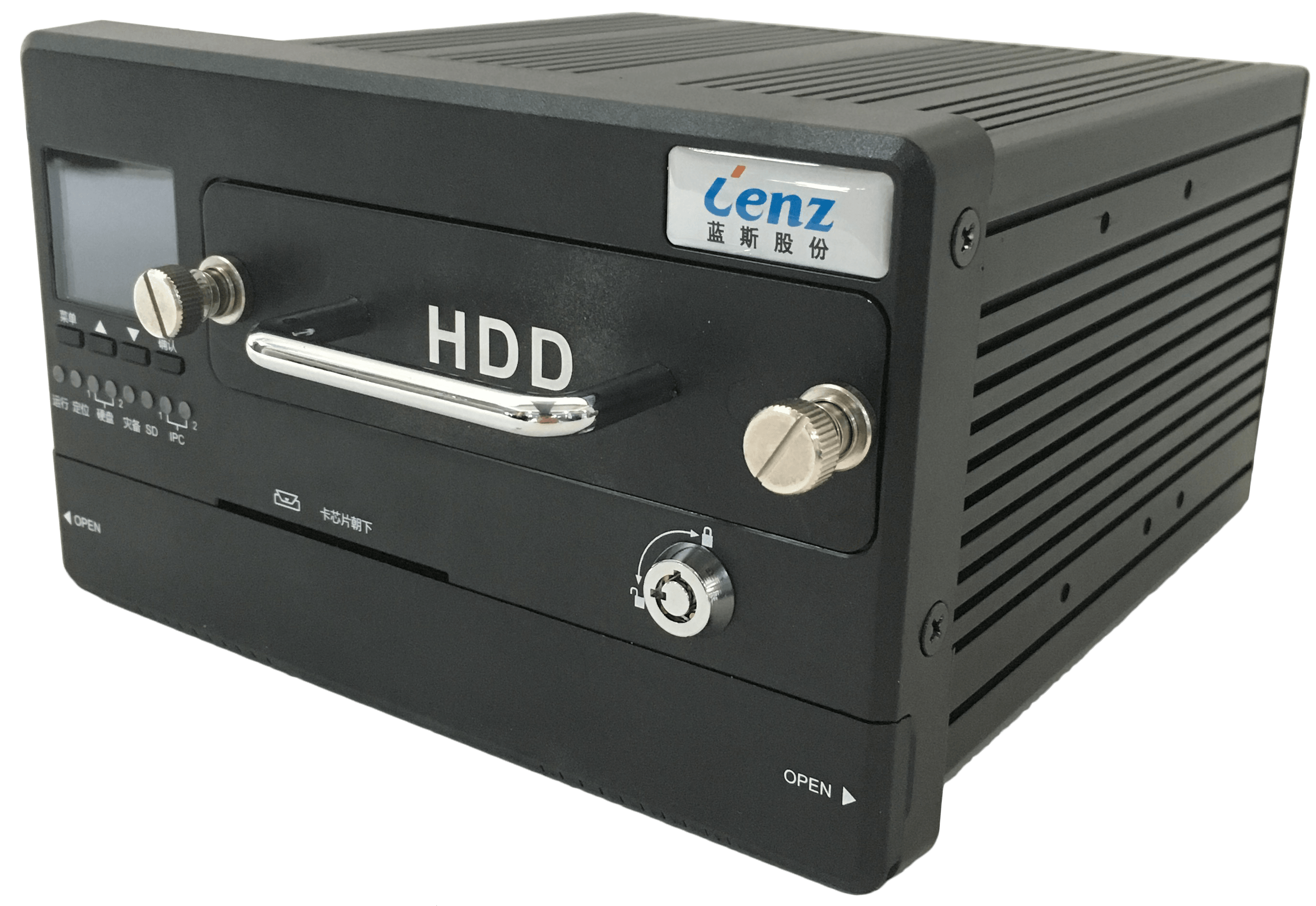
The Core Technology Behind Modern Bus Safety
Lans Communication’s vehicle-mounted full HD bus AI terminal represents the pinnacle of transportation technology integration. Often referred to as the “brain and eyes” of modern buses, this sophisticated device combines multiple critical functions into a single, powerful platform:
1. Comprehensive Video Surveillance: Equipped with high-definition cameras covering all angles (front ADAS, driver DMS, BSD blind spot, reverse, and dual-lens passenger counting), the system provides complete visual coverage of both the vehicle interior and exterior.
2. AI-Powered Safety Monitoring: Advanced artificial intelligence algorithms continuously analyze video feeds to detect critical safety events in real-time, including lane departure, forward collision risks, driver fatigue/distraction, and blind spot hazards.
3. Automated Bus Announcements: The system integrates automatic station reporting functionality, eliminating manual operations and ensuring accurate, timely passenger information.
4. Two-Way Communication: Built-in intercom capabilities enable seamless communication between drivers and control centers, facilitating rapid response to emergencies or operational adjustments.
5. Driving Record Analysis: Comprehensive data logging captures all critical driving parameters for post-event analysis and operational optimization.
This multi-functional approach transforms traditional buses into intelligent transportation units capable of autonomous safety management and data-driven operational improvements. The terminal’s edge computing capabilities ensure real-time processing without reliance on constant cloud connectivity, making it particularly valuable in areas with limited network infrastructure.
Technical Specifications and Performance Advantages
Designed for the rigorous demands of public transportation operations, Lans Communication’s AI terminal incorporates several industry-leading technical features:
| Specification | Details |
|---|---|
| Video Resolution | Full HD 1080p across all cameras |
| AI Processing Capability | Real-time detection of 10+ safety events simultaneously |
| Operating Temperature | -30°C to +70°C (-22°F to +158°F) |
| Storage Capacity | Up to 4TB for video and data storage |
| Connectivity | 4G/5G, Wi-Fi, GPS/Beidou dual-mode positioning |
| Power Supply | 9-36V DC wide voltage input |
The terminal’s robust construction meets automotive-grade standards for vibration resistance (ISO 16750-3) and electromagnetic compatibility (EMC), ensuring reliable performance even in the most demanding operating conditions. Its modular design allows for easy maintenance and component replacement, minimizing vehicle downtime during servicing.
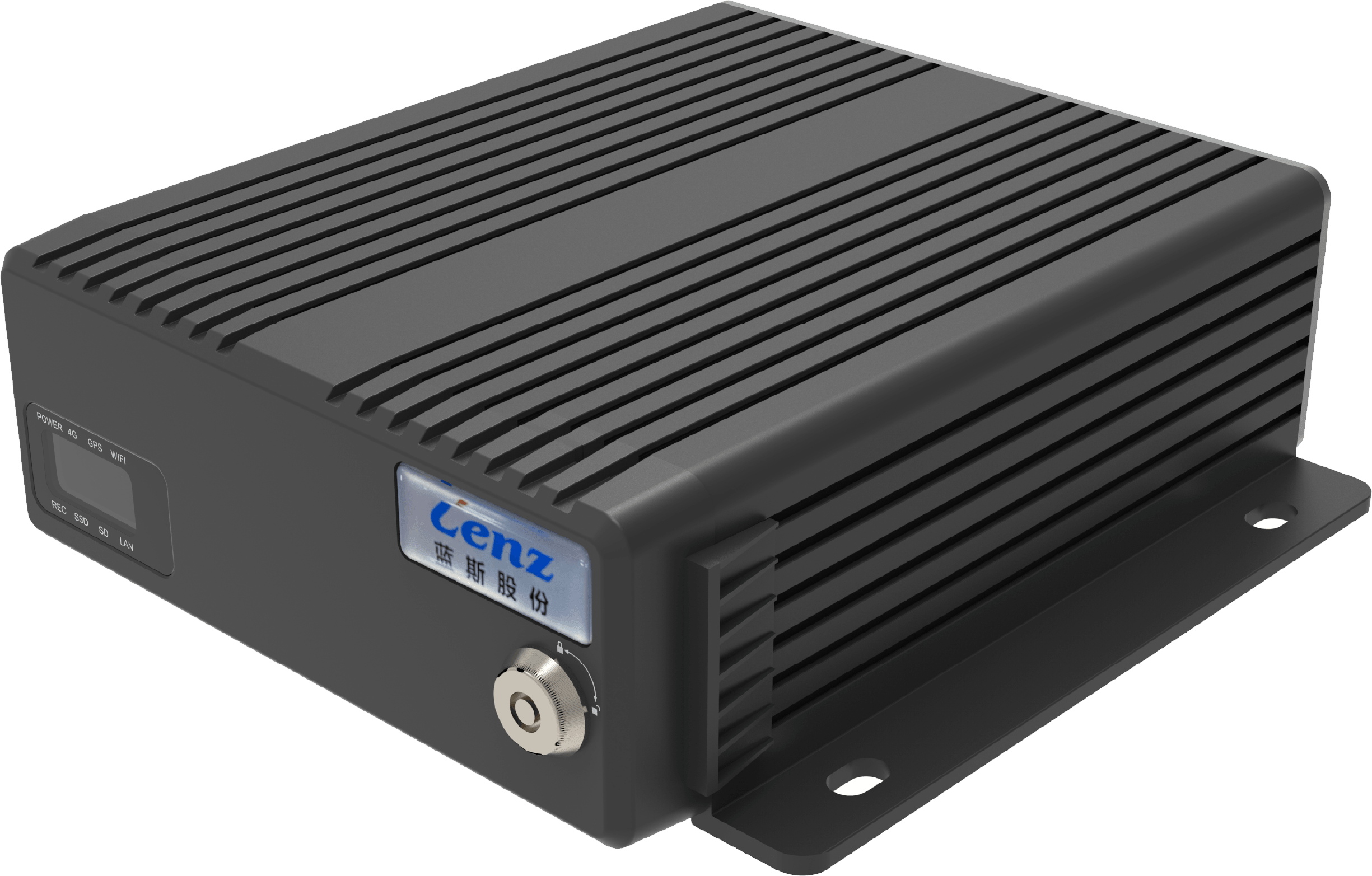
Transforming Bus Operations with AI-Driven Insights
Beyond immediate safety benefits, Lans Communication’s AI terminal generates valuable operational data that transportation companies can leverage for continuous improvement:
1. Driver Behavior Analysis: The system’s DMS (Driver Monitoring System) tracks eye movement, head position, and other indicators to identify patterns of fatigue or distraction. This data helps fleet managers implement targeted training programs and optimize scheduling to reduce risk.
2. Route Efficiency Optimization: By analyzing historical driving data, the system can identify inefficient routing patterns, excessive idling, or harsh acceleration/braking events. These insights enable operators to refine schedules and reduce fuel consumption.
3. Passenger Flow Management: The dual-lens passenger counting cameras provide accurate ridership data across different times and routes. This information supports data-driven decision-making for vehicle allocation and service frequency adjustments.
4. Predictive Maintenance: The terminal’s ability to monitor vehicle components through CAN bus data integration enables early detection of potential mechanical issues. Fleet managers receive alerts about battery health, motor performance, and other critical parameters before they escalate into costly breakdowns.
One international transportation authority reported a 32% reduction in accident rates and a 21% improvement in on-time performance within the first year of implementing Lans Communication’s AI terminal system across their fleet.
Global Implementation Success Stories
Lans Communication’s solutions have been deployed in over 400 cities worldwide, with more than 1 million devices installed across diverse markets. Notable international projects include:
- A major Middle Eastern city’s public bus network modernization, where the AI terminals reduced traffic violations by 45% in the first six months
- A Southeast Asian transportation operator’s fleet upgrade, resulting in a 28% decrease in insurance claims related to driver negligence
- An African urban transit authority’s safety overhaul, which achieved a 50% reduction in pedestrian-related incidents through improved blind spot monitoring
These implementations demonstrate the universal applicability of Lans Communication’s technology across different regional operating conditions and regulatory environments. The company’s local partnership strategy ensures that each deployment receives customized configuration and ongoing support tailored to specific market requirements.
Complementary Products for Complete Transportation Solutions
Understanding that modern transportation systems require integrated approaches, Lans Communication offers a comprehensive suite of complementary products that work seamlessly with their AI terminals:
1. Intelligent Operation Screens: Available in 12.3-inch and 7-inch formats, these driver consoles simplify operations through one-touch card signing, automatic station reporting, route switching, and clear communication with control centers.
2. Vehicle Payment Terminals: Supporting multiple payment methods including QR codes, NFC, and even facial recognition, these devices ensure smooth passenger transactions even in offline conditions.
3. Passenger Information Systems: Combining in-vehicle display screens and outdoor electronic stop signs, these systems keep passengers informed about arrival times while creating opportunities for revenue-generating digital advertising.
4. CAN Data Collectors: Acting as the “health black box” for new energy vehicles, these devices monitor critical parameters like battery status and motor performance, feeding data to central management platforms for proactive maintenance.
This ecosystem approach ensures that transportation operators can implement end-to-end solutions that address all aspects of modern fleet management, from safety monitoring to passenger experience optimization.
FAQ
What makes Lans Communication’s bus AI terminal different from standard surveillance systems?
Unlike traditional cameras that only record video, our AI terminal performs real-time analysis of multiple safety parameters using advanced artificial intelligence. It can detect and alert about dangerous situations as they develop, rather than just providing post-event footage. The system’s edge computing capability ensures immediate response without cloud dependency, while its integrated functions (surveillance, communication, reporting) create a comprehensive operational solution.
How does the AI terminal improve driver safety?
The terminal continuously monitors driver behavior through its DMS (Driver Monitoring System), detecting signs of fatigue like eye closure frequency, head nodding, and prolonged blinking. It also identifies distracted driving patterns such as looking away from the road or using mobile devices. When potential risks are detected, the system immediately alerts the driver through visual and auditory warnings, helping prevent accidents before they occur.
Can the system work in areas with poor network coverage?
Absolutely. Our AI terminal features powerful edge computing capabilities that process all safety-critical functions locally without requiring constant cloud connectivity. The device stores video and data locally, then synchronizes with central servers when network becomes available. This ensures uninterrupted operation even in remote areas or during temporary network outages.
What maintenance is required for the AI terminal?
The system is designed for minimal maintenance with automotive-grade components rated for 10+ years of continuous operation. Regular maintenance typically involves cleaning camera lenses and verifying sensor calibration, which can be performed during routine vehicle servicing. The modular design allows easy replacement of individual components if needed, without requiring complete system overhauls.
Summary
Xiamen Lans Communication’s vehicle-mounted full HD bus AI terminal represents a paradigm shift in public transportation safety and efficiency. By combining advanced artificial intelligence with comprehensive monitoring capabilities, the system addresses the most critical challenges facing modern bus operators worldwide. From preventing accidents through real-time hazard detection to optimizing operations with data-driven insights, this technology delivers measurable improvements in safety, efficiency, and passenger satisfaction.
As cities around the globe seek to modernize their public transportation systems, solutions like Lans Communication’s AI terminal provide the technological foundation for creating safer, smarter, and more sustainable urban mobility. With proven implementations across 40+ countries and a commitment to continuous innovation, the company stands ready to support transportation authorities in their journey toward intelligent, connected transit networks of the future.