
In the ever-evolving landscape of urban mobility, the integration of smart technologies has become pivotal in enhancing the efficiency and user experience of public transportation systems. Among these innovations, electronic signboards stand out as a critical component, providing real-time information to commuters and streamlining the flow of urban transit. This article delves into the significance of electronic signboards, particularly focusing on outdoor waterproof and solar-powered models, and their role in advancing smart transportation solutions worldwide.
The Evolution of Electronic Signboards in Public Transportation
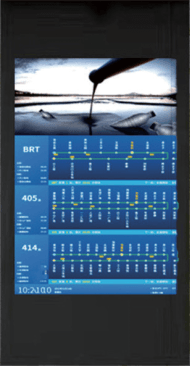
Electronic signboards have undergone a remarkable transformation since their inception. Initially, they served as simple displays showing static information such as bus routes and schedules. However, with advancements in technology, these signboards have evolved into sophisticated systems capable of delivering dynamic, real-time updates. Today, they are an integral part of smart transportation networks, enhancing the overall commuter experience by providing accurate and timely information.
The adoption of electronic signboards in public transportation is driven by several factors. Firstly, they improve the reliability of transit services by reducing uncertainty and wait times for passengers. Secondly, they enable transit authorities to manage and optimize their operations more effectively, leading to increased efficiency and cost savings. Lastly, electronic signboards contribute to the modernization of urban infrastructure, aligning with the broader goals of smart city initiatives.
Key Features of Outdoor Waterproof Electronic Signboards
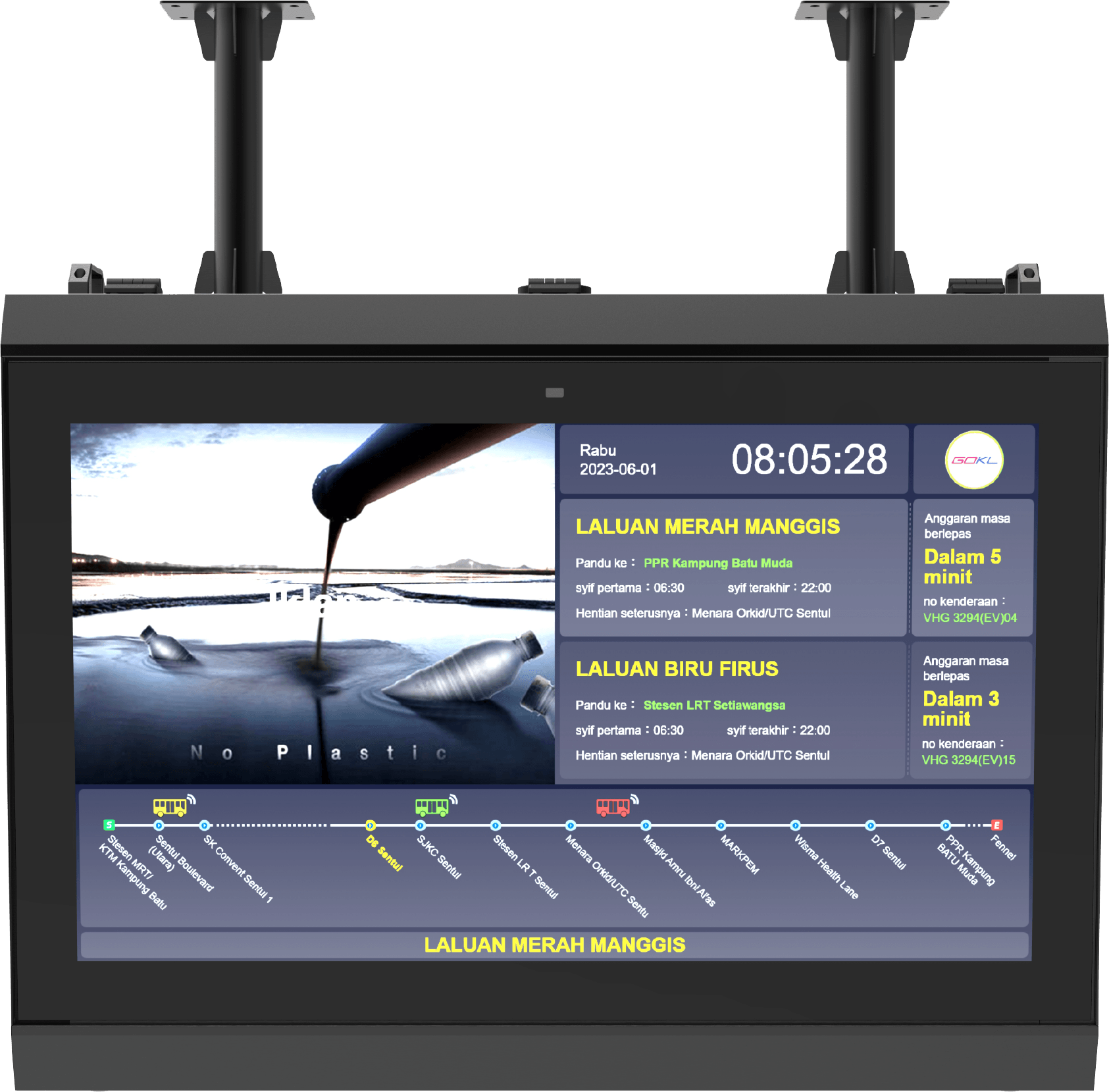
Outdoor waterproof electronic signboards are designed to withstand the rigors of the urban environment, ensuring reliable performance in all weather conditions. These signboards are equipped with robust enclosures that protect them from rain, dust, and extreme temperatures, making them ideal for outdoor installations. Additionally, they feature high-brightness displays that remain visible even in direct sunlight, ensuring that commuters can easily read the information at any time of day.
Another critical feature of these signboards is their connectivity options. They can be integrated with various communication protocols, such as Wi-Fi, 4G/5G, and GPS, enabling them to receive and display real-time data from central control systems. This connectivity allows for dynamic updates, such as changes in bus schedules due to traffic conditions or unexpected delays, ensuring that passengers are always informed of the latest information.
Solar-Powered Electronic Signboards: A Sustainable Solution
In response to the growing demand for sustainable and eco-friendly solutions, solar-powered electronic signboards have emerged as a viable alternative to traditional, grid-connected models. These signboards harness solar energy through integrated photovoltaic panels, converting sunlight into electricity to power the display and other components. This not only reduces the carbon footprint of public transportation systems but also offers significant cost savings by eliminating the need for electrical infrastructure and ongoing energy consumption.
Solar-powered electronic signboards are particularly well-suited for remote or off-grid locations where access to electricity may be limited or costly. They can operate independently of the power grid, ensuring continuous operation even during power outages or disruptions. Furthermore, the use of solar energy aligns with global efforts to promote renewable energy sources and reduce reliance on fossil fuels, contributing to a more sustainable and resilient urban environment.
Global Applications and Case Studies
The adoption of electronic signboards, including outdoor waterproof and solar-powered models, has gained momentum across the globe. Cities and transit authorities are recognizing the value of these smart signage solutions in enhancing the efficiency and appeal of their public transportation systems. For instance, in Thailand, a leading provider of smart transportation solutions has deployed its electronic signboard systems in numerous cities, improving the commuter experience and streamlining transit operations.
Similarly, in South Africa, the integration of electronic signboards with advanced AI technologies has enabled transit authorities to monitor and manage their fleets more effectively. These signboards display real-time information on bus locations, arrival times, and potential delays, empowering passengers to make informed decisions about their travel plans. The success of these implementations underscores the transformative potential of electronic signboards in modernizing public transportation networks worldwide.
Technical Specifications and Integration
When selecting electronic signboards for public transportation applications, several technical specifications must be considered to ensure optimal performance and compatibility with existing systems. These include display size and resolution, brightness levels, connectivity options, and power requirements. Additionally, the signboards should be designed for easy installation and maintenance, minimizing downtime and operational disruptions.
Integration with other smart transportation technologies, such as AI terminals, CAN data acquisition terminals, and intelligent operation screens, is also crucial for creating a cohesive and efficient transit ecosystem. For example, electronic signboards can be linked with AI-powered bus terminals to display real-time safety alerts and operational updates, enhancing the overall safety and reliability of the transit service.
| Feature | Description |
|---|---|
| Display Type | High-brightness LED or LCD for optimal visibility |
| Connectivity | Wi-Fi, 4G/5G, GPS for real-time data updates |
| Power Source | Grid-connected or solar-powered for sustainability |
| Enclosure | Waterproof and dustproof for outdoor durability |
FAQ
What are the primary benefits of using electronic signboards in public transportation?
Electronic signboards enhance the commuter experience by providing real-time information on bus schedules, arrivals, and delays. They also improve operational efficiency for transit authorities by enabling dynamic updates and better fleet management.
How do outdoor waterproof electronic signboards ensure reliable performance in all weather conditions?
Outdoor waterproof electronic signboards are designed with robust enclosures that protect them from rain, dust, and extreme temperatures. They also feature high-brightness displays that remain visible even in direct sunlight.
What are the advantages of solar-powered electronic signboards?
Solar-powered electronic signboards offer a sustainable and cost-effective solution by harnessing solar energy to power the display. They reduce the carbon footprint of public transportation systems and eliminate the need for electrical infrastructure.
How can electronic signboards be integrated with other smart transportation technologies?
Electronic signboards can be linked with AI-powered bus terminals, CAN data acquisition terminals, and intelligent operation screens through various communication protocols. This integration creates a cohesive and efficient transit ecosystem.
What technical specifications should be considered when selecting electronic signboards for public transportation?
Key specifications include display size and resolution, brightness levels, connectivity options, and power requirements. The signboards should also be designed for easy installation and maintenance.
Are electronic signboards suitable for remote or off-grid locations?
Yes, solar-powered electronic signboards are particularly well-suited for remote or off-grid locations where access to electricity may be limited or costly. They can operate independently of the power grid, ensuring continuous operation.
How do electronic signboards contribute to the modernization of urban infrastructure?
Electronic signboards align with the broader goals of smart city initiatives by enhancing the efficiency and appeal of public transportation systems. They provide a modern and user-friendly interface for commuters, contributing to the overall modernization of urban infrastructure.
What role do electronic signboards play in improving passenger safety?
Electronic signboards can display real-time safety alerts and operational updates when integrated with AI-powered bus terminals. This enhances the overall safety and reliability of the transit service by keeping passengers informed of potential hazards or delays.
Can electronic signboards be customized to meet specific transit authority requirements?
Yes, electronic signboards can be customized in terms of display size, content, and connectivity options to meet the specific needs of transit authorities. This flexibility ensures that the signboards can be tailored to the unique requirements of each transit system.
How do electronic signboards support the transition to sustainable transportation?
By offering solar-powered options and reducing the reliance on traditional electrical infrastructure, electronic signboards support the transition to sustainable transportation. They contribute to lower carbon emissions and promote the use of renewable energy sources.
Summary
Electronic signboards, including outdoor waterproof and solar-powered models, are revolutionizing public transportation systems worldwide. These smart signage solutions provide real-time information to commuters, enhancing the overall user experience and improving operational efficiency for transit authorities. With their robust design, connectivity options, and sustainable power sources, electronic signboards are well-suited for the demands of modern urban mobility. As cities continue to invest in smart transportation initiatives, the adoption of electronic signboards is expected to grow, contributing to a more efficient, reliable, and sustainable future for public transit.