
In the era of smart city development, public transportation systems worldwide face unprecedented transformation demands. As a leading provider of intelligent transportation solutions, Xiamen Lansce Communication (Stock Code: 430491) has been at the forefront of this revolution since 2006. Our electronic bus stop display systems have become essential infrastructure in modern urban transportation networks, serving as the critical interface between transit operators and passengers.
With nearly two decades of industry expertise, we’ve developed a comprehensive product ecosystem that includes solar-powered displays, multilingual passenger information terminals, and integrated smart transportation management platforms. These solutions have been successfully implemented in over 400 cities globally, supporting public transit authorities in Thailand, South Africa, Saudi Arabia, the UAE, Mongolia, Pakistan, Malaysia, and beyond. Our technology helps transit operators enhance service reliability, improve passenger experience, and optimize operational efficiency through real-time information dissemination.
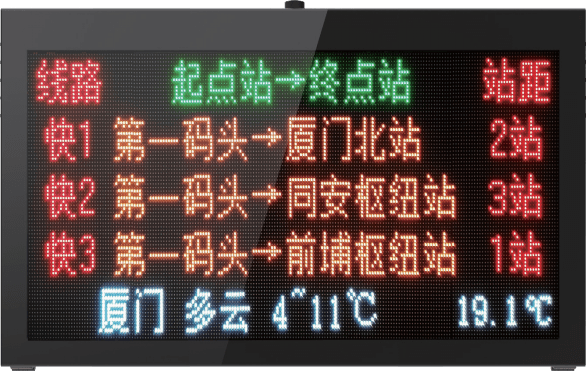
Technological Advantages of Lansce’s Electronic Display Systems
Our electronic bus stop displays represent the convergence of cutting-edge technologies designed specifically for the demands of modern public transportation. The core of our solution features high-brightness LCD panels with automatic brightness adjustment, ensuring optimal visibility in all lighting conditions from direct sunlight to nighttime operations. These displays support multiple languages simultaneously, making them ideal for international cities with diverse passenger demographics.
The systems incorporate industrial-grade components rated for -30°C to 70°C operating temperatures, with IP65 waterproof and dustproof certification. This rugged design ensures reliable performance in harsh environmental conditions. Our solar-powered models feature high-efficiency monocrystalline solar panels and intelligent power management systems that can operate continuously for 7-10 days without sunlight, making them perfect for remote or off-grid locations.
Advanced communication capabilities form another critical advantage. Our displays support 4G/5G, Wi-Fi, and wired Ethernet connections, with automatic failover between networks to ensure uninterrupted service. The built-in GPS module enables precise real-time vehicle tracking, while the integrated industrial computer processes data locally to reduce latency. This architecture allows for seamless integration with existing transit management systems through standard protocols like GB/T 28181, MQTT, and RESTful APIs.
Core Product Features and Applications
The Lansce electronic bus stop display system comprises several key components working in harmony to deliver comprehensive passenger information services. The outdoor display units feature 32-55 inch screens with anti-glare coating, displaying real-time arrival information, service alerts, and multimedia content. These units support split-screen operation, allowing simultaneous display of different information types to cater to diverse passenger needs.
Our indoor passenger information displays complement the outdoor systems by providing detailed route maps, transfer information, and service announcements inside buses and transit stations. These units feature smaller form factors (15-32 inches) with high-resolution touchscreens in premium models, enabling interactive wayfinding and service inquiries.
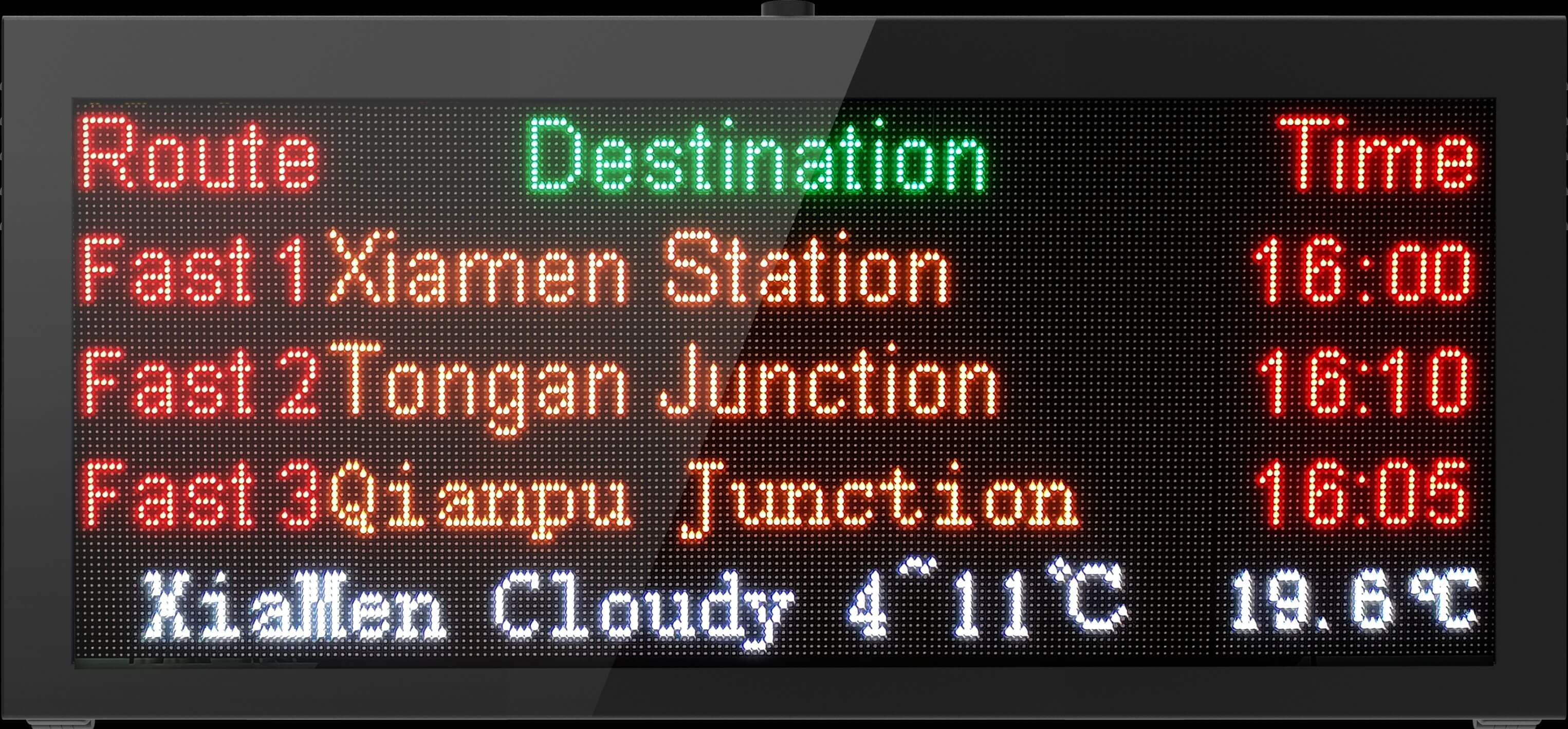
The system’s backend management platform serves as the operational nerve center, providing transit authorities with complete control over content distribution, device monitoring, and data analytics. The cloud-based architecture allows for centralized management of displays across entire transit networks, with role-based access control ensuring security. Operators can schedule content updates, monitor device status in real-time, and generate performance reports through an intuitive web interface or mobile app.
A distinctive feature of our solution is the AI-powered content recommendation engine. By analyzing passenger flow patterns, service schedules, and historical data, the system automatically optimizes information display strategies to maximize information absorption rates. For example, during peak hours, the system prioritizes arrival times and service alerts, while off-peak periods may show more promotional content or community announcements.
Technical Specifications Comparison
The following table compares key specifications across our electronic display product lines:
| Specification | Standard Model | Solar-Powered Model | Premium Model |
|---|---|---|---|
| Display Size | 32-43 inches | 32-43 inches | 43-55 inches |
| Brightness | 1,500-2,500 nits | 1,500-2,000 nits | 2,500-3,000 nits |
| Power Supply | AC 100-240V | Solar + Battery | AC + Optional Solar |
| Language Support | Up to 8 languages | Up to 8 languages | Up to 16 languages |
| Operating Temp | -20°C to 60°C | -30°C to 70°C | -20°C to 60°C |
Global Implementation Case Studies
Our electronic display systems have demonstrated their value in diverse operational environments across five continents. In Riyadh, Saudi Arabia, we implemented a city-wide upgrade of 1,200 bus stop displays as part of the public transport modernization program. The solar-powered units with Arabic/English bilingual support significantly improved passenger information accessibility while reducing the city’s carbon footprint.
The Johannesburg Metro Bus project in South Africa presented unique challenges with frequent power outages. Our hybrid solar-AC powered displays provided reliable service continuity, with the solar panels charging during the day and the grid power taking over at night. The system’s real-time vehicle tracking reduced average wait times by 35% in the first six months of operation.
In Southeast Asia, our partnership with a major Philippine transit operator showcased the system’s adaptability to tropical conditions. The IP65-rated displays with anti-corrosion coatings maintained optimal performance despite high humidity and salt air exposure. The multilingual interface supporting Tagalog, English, and Chinese catered perfectly to the region’s diverse passenger base.
These projects share common success factors: thorough site surveys to determine optimal display locations, customized content management strategies aligned with local passenger behaviors, and comprehensive operator training programs. Our local implementation teams work closely with transit authorities to ensure seamless integration with existing systems and processes.
FAQ
What makes Lansce’s electronic bus displays suitable for international markets?
Our displays feature multilingual support with easy language switching, comply with international standards like CE and FCC, and operate reliably in diverse climates (-30°C to 70°C). The modular design allows customization for specific regional requirements, while our global service network ensures prompt support anywhere in the world.
How do solar-powered displays perform in cloudy regions?
Our solar models use high-efficiency monocrystalline panels and intelligent power management that stores excess energy during sunny periods. In consistently cloudy regions, we recommend hybrid models that combine solar with grid power or battery backups, ensuring continuous operation even during extended periods of low sunlight.
What maintenance is required for outdoor displays?
The displays require minimal maintenance thanks to their IP65 rating and industrial-grade components. We recommend quarterly cleaning of the display surface and solar panels (if applicable), along with annual inspection of mounting hardware and electrical connections. Our remote monitoring system alerts operators to any potential issues before they become problems.
Can your system integrate with existing transit management platforms?
Absolutely. Our displays support standard protocols like GB/T 28181, MQTT, and RESTful APIs for seamless integration. We’ve successfully connected our systems with major transit management platforms from Siemens, Thales, and other leading providers, ensuring smooth data exchange and operational continuity.
Summary
Xiamen Lansce Communication’s electronic bus stop display systems represent the pinnacle of modern passenger information technology. With nearly two decades of industry experience and installations in over 400 cities worldwide, our solutions have proven their effectiveness in enhancing public transportation systems across diverse cultural and environmental contexts. The combination of robust hardware, intelligent software, and comprehensive service support makes us the ideal partner for transit authorities seeking to modernize their passenger information infrastructure.
Our commitment to innovation continues with ongoing research into 5G connectivity, AI-powered content optimization, and augmented reality passenger services. As cities worldwide embrace smart transportation initiatives, Lansce remains at the forefront, delivering solutions that improve operational efficiency, enhance passenger experience, and contribute to more sustainable urban mobility.