
In the era of smart cities, public transportation systems are undergoing a technological revolution. At the forefront of this transformation are smart electronic bus stop signs – sophisticated displays that provide real-time information to passengers while enhancing operational efficiency for transit authorities. Xiamen Lanscomm Communication Co., Ltd., a leading global provider of intelligent transportation solutions, has developed cutting-edge electronic bus stop sign systems that are redefining passenger information display standards across 400+ cities worldwide.
The Evolution of Passenger Information Systems
Traditional bus stop signs have served basic route information needs for decades, but modern urban mobility demands far more sophisticated solutions. Today’s passengers expect real-time updates on arrival times, service disruptions, and alternative routing options. Transit authorities require tools to manage fleet operations more efficiently while reducing operational costs and environmental impact.
Lanscomm’s smart electronic bus stop signs address these challenges through an integrated approach that combines advanced display technology with intelligent communication systems. These solar-powered devices represent a significant leap forward from conventional static signs, offering dynamic content updates via wireless networks while maintaining energy independence through integrated photovoltaic panels.
Key Features of Lanscomm’s Smart Electronic Bus Stop Signs
The company’s flagship electronic bus stop sign solution incorporates several innovative technologies designed for maximum reliability and functionality in diverse operational environments:
- Solar Power Integration: Each unit features high-efficiency solar panels coupled with advanced battery management systems, ensuring continuous operation even in regions with limited sunlight exposure. This self-sustaining design eliminates the need for external power connections, reducing installation costs and environmental impact.
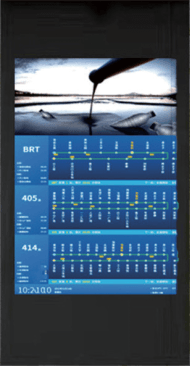
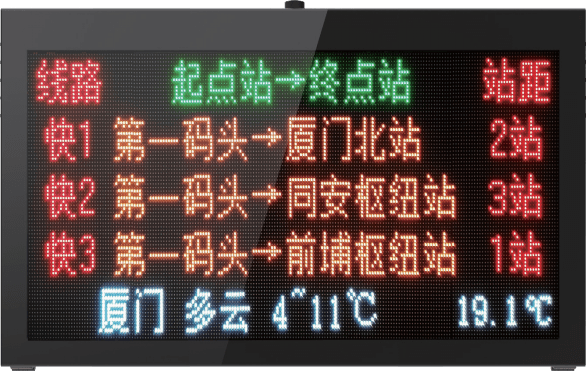
- Multi-Modal Information Display: The high-contrast LED or LCD screens present clear, readable information in all lighting conditions. Systems support multiple languages and can display real-time arrival predictions, service alerts, weather updates, and public service announcements simultaneously.
- Wireless Communication: Utilizing 4G/5G, LoRaWAN, or proprietary wireless protocols, the signs maintain constant connectivity with central control systems. This enables instant updates across entire transit networks and facilitates remote monitoring and maintenance.
- Intelligent Content Management: A cloud-based platform allows transit operators to schedule content, manage alerts, and analyze passenger engagement patterns. The system integrates with existing fleet management software for seamless operation.
- Robust Construction: Built to withstand harsh weather conditions, the signs feature vandal-resistant enclosures, temperature-controlled internals, and IP65-rated protection against dust and water ingress.
Technical Specifications
Lanscomm offers multiple configurations to meet varying deployment requirements:
| Parameter | Specification |
|---|---|
| Display Size | 32″ to 55″ (custom sizes available) |
| Power Source | Solar panel + lithium battery (220V AC optional) |
| Brightness | 2,500-7,000 nits (adjustable) |
| Operating Temperature | -30°C to +60°C |
| Communication | 4G/5G, Wi-Fi, Ethernet, RF |
| Mounting Options | Pole, wall, or custom installations |
Global Deployment Success Stories
Lanscomm’s electronic bus stop signs have been implemented in diverse geographical and climatic conditions across 40 countries, demonstrating their versatility and reliability:
Middle East Deployment: In Dubai’s extreme heat, solar-powered signs maintain optimal performance while reducing energy costs by 85% compared to traditional grid-connected systems. The multi-language displays accommodate the city’s international visitor demographic.
Nordic Region Implementation: In Stockholm, where winter darkness lasts for months, high-brightness displays with automatic dimming ensure visibility while conserving energy. The integrated heating system prevents condensation and ice formation.
Southeast Asian Integration: Bangkok’s tropical climate demands robust waterproofing, which Lanscomm’s IP67-rated signs provide. The systems integrate with the city’s real-time bus tracking app, creating a unified passenger information ecosystem.
These deployments collectively serve over 15 million daily passengers, with system uptime exceeding 99.7% across all installations. The solutions have reduced passenger complaints about information availability by 72% on average while decreasing transit authority operational costs related to information dissemination by 65%.
Sustainability and Environmental Impact
Lanscomm places sustainability at the core of its product development philosophy. The solar electronic bus stop signs contribute to environmental goals through:
- Renewable Energy Utilization: Each sign eliminates approximately 1.2 tons of CO2 emissions annually compared to grid-powered alternatives, based on average global electricity generation mixes.
- Energy Efficiency:
- Long Lifecycle: Durable components and modular design extend service life beyond 10 years, reducing electronic waste.
- Recyclable Materials: Over 92% of sign components are recyclable at end-of-life, supporting circular economy principles.
Low-power electronics and intelligent brightness control minimize energy consumption without compromising visibility.
In Cape Town’s implementation, the solar signs reduced the city’s public transit information system’s carbon footprint by 68% within the first year of operation, earning recognition from local environmental agencies.
Integration with Smart City Ecosystems
Lanscomm’s electronic bus stop signs are designed as nodes within broader smart city infrastructures. They support:
- MaaS (Mobility as a Service) Integration: Displaying real-time information about multiple transport modes including buses, trains, bike-share, and ride-hailing services.
- Emergency Alert Systems: Priority channels for government notifications during crises or natural disasters.
- Air Quality Monitoring:
- Wayfinding Services: Integration with digital maps and navigation apps to assist tourists and new residents.
Some installations incorporate environmental sensors that display local pollution levels alongside transit information.
In Singapore’s smart nation initiative, Lanscomm signs form part of a unified transport information platform that reduces private vehicle usage by providing reliable, real-time alternatives. The system has contributed to a 14% increase in public transit ridership since implementation.
FAQ
What makes solar electronic bus stop signs more advantageous than traditional grid-powered displays?
Solar-powered signs offer three primary advantages: energy independence that eliminates electricity costs and installation constraints, environmental sustainability through renewable energy use, and reliability in areas with unstable power grids. Lanscomm’s solutions combine these benefits with intelligent energy management that ensures continuous operation even during extended periods of low sunlight.
How do these signs maintain visibility in direct sunlight and at night?
Lanscomm employs high-brightness LED or transreflective LCD displays with automatic dimming controlled by ambient light sensors. During daylight, screens operate at maximum brightness (up to 7,000 nits) to overcome sunlight glare. At night or in low-light conditions, brightness reduces to comfortable viewing levels (as low as 300 nits) while saving energy. This dynamic adjustment ensures optimal visibility at all times.
Can the signs display content in multiple languages simultaneously?
Yes, all Lanscomm electronic bus stop signs support multi-language displays through advanced content management systems. Operators can configure scrolling text, split-screen layouts, or priority messaging zones to present information in two or more languages concurrently. This feature is particularly valuable in international tourist destinations and multicultural cities.
What maintenance is required for solar-powered bus stop signs?
Lanscomm’s designs minimize maintenance through durable components and self-diagnosing systems. Routine maintenance typically involves: quarterly cleaning of solar panels and display surfaces, annual battery capacity tests (with replacement every 5-7 years), and software updates via remote management. The company provides comprehensive maintenance training and 24/7 technical support for all deployed systems.
Summary
Xiamen Lanscomm’s smart electronic bus stop signs represent a paradigm shift in public transit information systems. By combining solar energy harvesting with intelligent display technology, these solutions deliver reliable, real-time information to passengers while reducing operational costs and environmental impact for transit authorities. With over 400 city deployments worldwide and a product lineup that addresses diverse climatic and operational challenges, Lanscomm has established itself as the global leader in sustainable transit information infrastructure.
The company’s commitment to innovation continues with ongoing research into AI-powered predictive displays, 5G-enabled ultra-low-latency updates, and advanced passenger counting integration. As cities worldwide invest in smart transportation networks, Lanscomm’s solar electronic bus stop signs provide a proven, scalable solution that enhances urban mobility today while preparing transit systems for tomorrow’s challenges.