
In today’s fast-paced urban environments, efficient public transportation systems are essential for maintaining mobility, reducing congestion, and improving quality of life. At the heart of modern transit operations lies the intelligent passenger information display system (PIS) – a technology that has evolved from simple static signs to sophisticated digital platforms providing real-time, multimodal information. Xiamen Lans Communication, a leading provider of smart transportation solutions with nearly two decades of industry experience, has developed cutting-edge PIS systems that are transforming public transit worldwide.

The Evolution of Passenger Information Systems
Passenger information displays have come a long way since their inception. Early systems provided basic schedule information through static signs or simple LED displays. Today’s intelligent PIS solutions represent a quantum leap in technology, combining real-time data processing, multimodal information integration, and advanced user interfaces to create a seamless passenger experience.
Xiamen Lans Communication’s PIS systems exemplify this evolution. Our solutions go beyond merely displaying arrival times – they create an interconnected transportation ecosystem that empowers passengers with comprehensive information while providing operators with valuable data for service optimization. This transformation is particularly crucial as cities worldwide invest in smart transportation initiatives to address growing urbanization challenges.
The company’s journey in this space began nearly two decades ago when we recognized the need for more intelligent transportation solutions. Since then, we’ve developed a comprehensive product portfolio that includes not just passenger information displays but also integrated systems for vehicle monitoring, payment processing, and fleet management. This holistic approach ensures that all components of the transportation network work together seamlessly.
Key Components of Xiamen Lans’ PIS Solutions
Our intelligent passenger information display systems comprise several core components designed to work in harmony:
1. In-Vehicle Passenger Information Displays
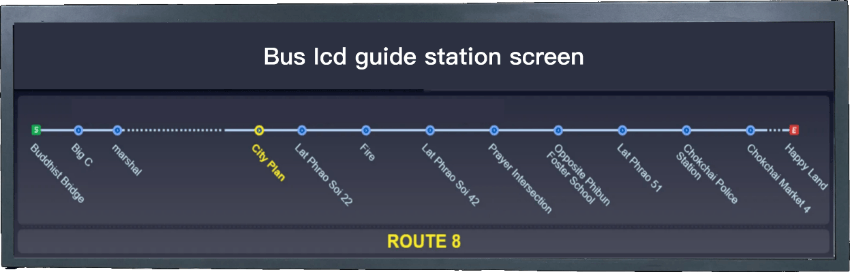
Installed inside buses and other transit vehicles, these displays provide real-time information about upcoming stops, transfer options, and estimated arrival times. Our advanced models feature high-resolution screens that can display multilingual content, making them ideal for international cities with diverse populations. The displays integrate with our AI-powered terminal systems to provide not just information but also safety alerts and operational data to drivers.
2. Electronic Stop Signs (Outdoor Displays)
Positioned at bus stops and transit hubs, our electronic stop signs are the public face of our PIS solutions. These solar-powered displays withstand harsh weather conditions while providing accurate, real-time information to waiting passengers. Beyond basic arrival data, they can show service alerts, weather updates, and even local news – transforming waiting time into a more productive and engaging experience.
One of our most innovative outdoor display solutions features a modular design that allows for easy customization based on location requirements. For example, displays in tourist areas might emphasize transfer information to popular attractions, while those in business districts focus on peak-hour service frequencies.
3. Central Management System
The brains behind our PIS solutions is our sophisticated central management platform. This cloud-based system collects data from various sources including GPS trackers, scheduling software, and even passenger feedback mechanisms. It processes this information in real-time to generate accurate predictions and update all displays across the network simultaneously.
The platform’s analytics capabilities provide transit operators with valuable insights into passenger flow patterns, peak demand periods, and service reliability. This data-driven approach enables continuous improvement of transit services, helping cities optimize routes, adjust schedules, and allocate resources more effectively.
4. Mobile Integration
Recognizing that modern passengers expect information at their fingertips, our PIS solutions seamlessly integrate with mobile apps. Passengers can access real-time information, plan trips across multiple modes of transportation, and receive personalized alerts about service changes or delays – all from their smartphones. This omnichannel approach ensures consistent information delivery whether passengers are at home, on the move, or at transit stops.
Technical Specifications and Features
Xiamen Lans’ passenger information display systems are engineered for reliability, visibility, and ease of use in diverse operating environments:
| Feature | Specification |
|---|---|
| Display Technology | High-brightness LED or LCD with anti-glare coating |
| Visibility Range | Up to 50 meters in direct sunlight |
| Connectivity | 4G/5G, Wi-Fi, and optional satellite for remote areas |
| Power Options | Main power with battery backup or solar power for outdoor units |
| Operating Temperature | -30°C to +60°C (-22°F to +140°F) |
| Mounting Options | Wall, pole, or ceiling mount for indoor units; robust pole mount for outdoor units |
| Content Management | Remote updates via cloud platform with scheduling capabilities |
| Multilingual Support | Up to 8 languages simultaneously |
Our systems are designed with future-proofing in mind. The modular architecture allows for easy upgrades as new technologies emerge, while the open API framework enables integration with third-party systems such as ticketing platforms, traffic management centers, and emergency services. This flexibility ensures that transit operators can adapt to changing requirements without needing complete system overhauls.
Global Implementation and Success Stories
Xiamen Lans’ passenger information display systems have been implemented in over 400 cities worldwide, transforming public transportation across diverse cultural and geographic contexts. Our solutions have proven particularly valuable in:
- Emerging Smart Cities: In rapidly developing urban centers, our PIS systems form the backbone of new transit networks, providing the technological foundation for smart transportation initiatives.
- Tourism Hotspots: Cities with high tourist traffic benefit from our multilingual displays and integration with tourism information services, enhancing the visitor experience while managing passenger flows effectively.
- Mega-Cities: In densely populated metropolitan areas, our real-time information systems help reduce congestion by providing passengers with accurate, up-to-date information to make informed travel decisions.
One notable implementation is in Bangkok, Thailand, where our PIS solution was integrated into the city’s BRT system. The project involved installing electronic stop signs at all stations along the dedicated bus corridor, as well as in-vehicle displays in the articulated buses. The system provides real-time arrival information, service alerts, and even connects with the city’s flood monitoring system to warn passengers of route changes during heavy rains – a critical feature in flood-prone Bangkok.
In Johannesburg, South Africa, our solution helped modernize the city’s Rea Vaya BRT system. The implementation included solar-powered outdoor displays to overcome frequent power outages, ensuring consistent information availability. The system’s analytics capabilities provided the city with valuable data on passenger patterns, leading to service optimizations that increased ridership by 15% in the first year of operation.
Benefits for Transit Operators and Passengers
The implementation of Xiamen Lans’ intelligent passenger information display systems delivers tangible benefits for both transit operators and passengers:
For Transit Operators:
- Improved Operational Efficiency: Real-time data enables better resource allocation, route optimization, and incident response.
- Reduced Operating Costs: Predictive maintenance based on system data helps minimize vehicle downtime and repair costs.
- Enhanced Safety: Integration with vehicle monitoring systems provides operators with a comprehensive view of fleet safety status.
- Data-Driven Decision Making: Detailed analytics support strategic planning and policy development.
For Passengers:
- Reduced Uncertainty: Accurate, real-time information about arrivals and departures reduces anxiety and waiting times.
- Improved Travel Planning: Access to multimodal information helps passengers make better-informed travel decisions.
- Enhanced Comfort: Indoor displays provide entertainment options and useful local information during the journey.
- Increased Accessibility: Multilingual support and audio announcements make transit systems more inclusive.
These benefits collectively contribute to increased ridership and improved public perception of transit systems. In an era where private vehicle use is often seen as more convenient, intelligent PIS systems help level the playing field by making public transportation a more attractive and reliable option.
Future Trends in Passenger Information Systems
As technology continues to evolve, so too will passenger information display systems. At Xiamen Lans Communication, we’re at the forefront of several emerging trends that will shape the future of public transit information:
1. Augmented Reality (AR) Integration
We’re exploring ways to integrate AR technology into our PIS solutions, allowing passengers to use their smartphones to view additional information overlaid on the real world. For example, pointing a phone at a bus stop could display not just the next arrival times but also historical reliability data, nearby amenities, and even augmented navigation instructions to the stop.
2. Predictive Personalization
Future systems will leverage AI and machine learning to provide increasingly personalized information. By analyzing a passenger’s travel history and preferences, the system could proactively suggest optimal routes, alert them to potential delays on their usual commute, or even recommend alternative modes of transportation based on current conditions.
3. Enhanced Accessibility Features
We’re committed to making our solutions more inclusive for all passengers. This includes developing advanced voice interfaces, haptic feedback systems for the hearing impaired, and improved visual contrast options for those with visual impairments. Our goal is to ensure that everyone can access and benefit from real-time transit information.
4. Integration with Smart City Infrastructure
As cities become smarter, transit information systems will play a more central role in urban management. Our vision is for PIS solutions to become part of a broader city information ecosystem, sharing data with traffic management centers, emergency services, and even autonomous vehicle networks to create a truly interconnected urban environment.
FAQ
What makes Xiamen Lans’ passenger information display systems different from other providers?
Our solutions stand out through their comprehensive integration capabilities, advanced analytics, and global implementation experience. Unlike standalone display systems, our PIS is part of a broader smart transportation ecosystem that includes vehicle monitoring, payment processing, and fleet management. This holistic approach ensures seamless data flow across all aspects of transit operations, providing operators with unprecedented visibility and control.
How do your systems handle multilingual requirements in international cities?
Our displays support up to eight languages simultaneously, with easy content management through our cloud platform. Operators can schedule language displays based on time of day or specific events, ensuring that information is always accessible to the local population and visitors alike. The system also supports audio announcements in multiple languages for enhanced accessibility.
Can your PIS solutions integrate with existing transit management systems?
Absolutely. We’ve designed our systems with open APIs and standard protocols to ensure easy integration with third-party scheduling software, ticketing systems, and vehicle monitoring platforms. Our implementation team works closely with clients to map data flows and create custom interfaces as needed, ensuring minimal disruption during deployment.
What maintenance is required for outdoor electronic stop signs?
Our outdoor displays are engineered for minimal maintenance. Key features include weatherproof enclosures, anti-vandalism designs, and solar power options to reduce electrical infrastructure needs. The cloud-based management system allows for remote diagnostics and software updates, while modular components can be easily replaced on-site if needed. We typically recommend quarterly visual inspections and annual comprehensive service checks.
How do you ensure data security in your connected PIS systems?
Data security is a top priority in all our solutions. We implement multiple layers of protection including end-to-end encryption, secure authentication protocols, and regular security audits. Our systems comply with international data protection standards and can be configured to meet specific regional regulations. We also provide operator training on data security best practices as part of our implementation services.
Summary
Intelligent passenger information display systems represent a critical component of modern public transportation infrastructure. Xiamen Lans Communication’s solutions go beyond mere information delivery, creating interconnected ecosystems that enhance operational efficiency, improve passenger experience, and support data-driven decision making. With nearly two decades of experience and implementations in over 400 cities worldwide, our technology has proven its value across diverse cultural and geographic contexts.
As cities continue to evolve into smart, connected environments, the role of PIS systems will only grow in importance. At Xiamen Lans, we’re committed to pushing the boundaries of what’s possible, developing solutions that not only meet today’s needs but also anticipate tomorrow’s challenges. Our focus on integration, analytics, and user experience ensures that our clients can provide world-class public transportation services that attract and retain passengers in an increasingly competitive mobility landscape.
For transit operators looking to modernize their information systems or cities embarking on smart transportation initiatives, Xiamen Lans Communication offers not just products but comprehensive solutions backed by global expertise and local support. Contact us today to learn how our intelligent passenger information display systems can transform your public transportation network.