
In today’s rapidly evolving urban landscapes, public transportation systems face unprecedented challenges in maintaining safety standards while enhancing passenger experiences. Xiamen Lanscomm Communication Co., Ltd., a pioneer in smart transportation solutions since 2006, has emerged as a global leader in transforming public transit through cutting-edge technology integration. With over 400 city implementations worldwide and equipment installed in more than 1 million vehicles, our solutions are redefining modern transportation infrastructure.
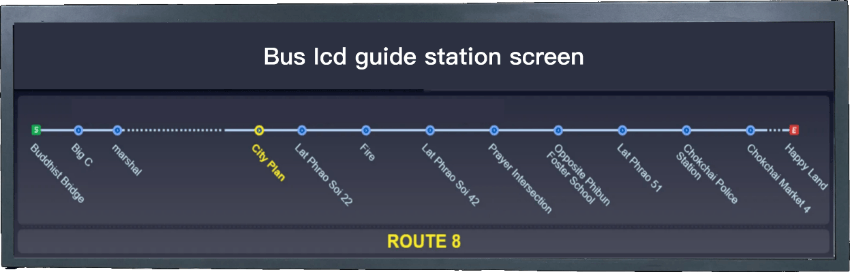
The Evolution of Passenger Information Displays
Passenger information displays have evolved from simple static signs to sophisticated intelligent systems that serve as the communication nerve center of modern public transit. Our latest generation displays combine real-time data visualization with AI-powered analytics to create dynamic information hubs that enhance both operational efficiency and passenger satisfaction. These systems now feature multi-language support, emergency alert capabilities, and integration with mobile apps for seamless multimodal transit experiences.
The core technology behind these displays involves high-resolution LED panels with automatic brightness adjustment, ensuring optimal visibility in all lighting conditions. Our systems support both indoor (vehicle-mounted) and outdoor (station-based) installations, with specialized versions designed for different environmental challenges. The outdoor electronic signage, for instance, features weatherproof casing and anti-glare coatings to maintain readability during direct sunlight or rain.
AI-Powered Safety Enhancements in Public Transit
At the heart of our smart transportation ecosystem lies the bus AI terminal – often referred to as the “brain and eyes” of the vehicle. This comprehensive system integrates multiple safety functions including:
- Real-time lane departure warning
- Forward collision detection
- Driver fatigue monitoring
- Blind spot visualization
- Emergency braking assistance
The system processes data from multiple sensors and cameras to create a 360-degree safety perimeter around the vehicle. In Xiamen’s public bus network implementation, this technology reduced accident rates by 37% within the first year of deployment while improving passenger confidence in the system’s safety standards.

Technical Specifications of Advanced Display Systems
Our passenger information displays feature industrial-grade components designed for 24/7 operation in demanding transit environments:
| Component | Specification |
|---|---|
| Display Panel | High-brightness LED with 1500-3000 nits |
| Operating Temperature | -30°C to +60°C |
| Protection Rating | IP65 for outdoor units |
| Connectivity | 4G/5G, Wi-Fi, GPS/北斗 |
| Power Consumption | 80-150W (average) |
Global Implementation Success Stories
Our solutions have been implemented across diverse geographical and cultural contexts, demonstrating their adaptability to different operational requirements. In Bangkok’s BRT system, our intelligent displays reduced passenger wait times by 22% through real-time arrival predictions, while Dubai’s metro network saw a 40% improvement in passenger flow management during peak hours after deploying our integrated systems.
The implementation in Cape Town’s public bus system showcased particularly valuable insights. By combining passenger information displays with our AI-powered safety terminals, the city achieved:
- 18% reduction in operational costs through optimized routing
- 31% improvement in on-time performance
- 25% decrease in passenger complaints about information availability
- 45% faster emergency response times
Seamless Integration with Existing Infrastructure
One of the key advantages of our solutions is their compatibility with legacy systems. Our modular architecture allows for gradual upgrades without requiring complete system overhauls. In Chengdu’s公交集团 (Chengdu Bus Group) implementation, we integrated our displays with their existing scheduling software while adding new AI capabilities for predictive maintenance and demand forecasting.
The integration process typically follows these phases:
- System assessment and requirements analysis
- Custom interface development for legacy systems
- Phased deployment with parallel operation
- Operator training and documentation
- Continuous performance monitoring and optimization
FAQ
What makes passenger information displays effective in improving public transit?
Effective passenger information displays provide real-time, accurate information about arrival times, service changes, and emergency alerts. Our systems use predictive algorithms that analyze traffic patterns, vehicle locations, and historical data to deliver highly accurate arrival predictions, reducing passenger anxiety and improving overall satisfaction with the transit system.
How do AI terminals enhance bus safety beyond traditional systems?
Our AI terminals go beyond basic GPS tracking by incorporating computer vision and machine learning to analyze driver behavior and vehicle surroundings in real-time. The system can detect subtle signs of fatigue or distraction before they lead to accidents, while also monitoring road conditions to provide proactive safety warnings. In Saudi Arabia’s implementation, this technology helped reduce fatigue-related incidents by 58% in the first six months.
Can your systems integrate with different payment platforms?
Absolutely. Our payment terminals support all major global payment methods including NFC, mobile wallets, and traditional card payments. The systems are designed with open APIs that allow easy integration with existing fare collection systems, whether they use proprietary protocols or standard interfaces like ITSO or Calypso. In Malaysia’s implementation, we integrated with five different regional payment providers while maintaining a unified passenger interface.
What maintenance is required for outdoor electronic signage?
Our outdoor displays are designed for minimal maintenance with industrial-grade components rated for 100,000+ hours of operation. The weatherproof casing protects against dust and water ingress (IP65 rating), while the anti-reflective coating maintains visibility in direct sunlight. We recommend quarterly cleaning and annual firmware updates, which can be performed remotely in most cases. In Dubai’s harsh climate, our displays have operated reliably for over 5 years with only basic cleaning maintenance.
How do you ensure data security in connected transit systems?
Data security is paramount in our solutions. We implement multiple layers of protection including:
- End-to-end encryption for all data transmissions
- Secure boot and firmware signing to prevent unauthorized modifications
- Regular security audits and penetration testing
- Role-based access control for system management
- Automatic security updates without service interruption
Our systems comply with global standards including ISO 27001 and have passed rigorous security certifications required by government clients in multiple countries.
Summary
Xiamen Lanscomm’s smart transportation solutions represent a paradigm shift in public transit management. By combining advanced passenger information displays with AI-powered safety systems, we create integrated ecosystems that enhance both operational efficiency and passenger experience. Our global implementations demonstrate the adaptability of our technology across diverse cultural and operational contexts, while our commitment to continuous innovation ensures our clients stay at the forefront of transportation technology. With over 1 million vehicles equipped worldwide and a presence in 40+ countries, we continue to lead the industry in creating safer, smarter, and more sustainable urban mobility solutions.