
In today’s fast-paced urban environments, efficient and reliable public transport payment systems have become essential for modern transit operations. As cities around the world strive to enhance passenger experience while improving operational efficiency, the demand for advanced payment terminals has surged. Xiamen Lans Communication Co., Ltd. (Stock Code: 430491), established in 2006, has emerged as a global leader in providing comprehensive smart transportation solutions, with a particular focus on innovative payment terminals for public transport systems.
With nearly two decades of expertise in the intelligent transportation sector, Lans Communication has developed a reputation for delivering cutting-edge technology that transforms public transit operations. The company’s commitment to innovation has been recognized through numerous awards, including National High-Tech Enterprise, China Manufacturing Hidden Champion, and Fujian Province Progress Award. These accolades underscore Lans’ position as a trusted partner for transit authorities worldwide seeking to modernize their payment infrastructure.

The Evolution of Public Transport Payment Systems
The journey of public transport payment systems has evolved dramatically over the past decade. Traditional cash-based systems have given way to sophisticated electronic payment solutions that offer greater convenience, security, and operational insights. Lans Communication has been at the forefront of this transformation, developing payment terminals that integrate multiple functionalities to meet the diverse needs of modern transit systems.
Today’s public transport payment terminals must do far more than simply process transactions. They serve as critical data collection points, operational efficiency tools, and passenger experience enhancers. Lans’ solutions address these comprehensive requirements through advanced features like 4G connectivity, AI-powered analytics, and seamless integration with broader transit management systems.
Key Features of Lans’ Public Transport Payment Terminals
Lans Communication’s flagship payment terminals represent the pinnacle of public transport payment technology. These devices are designed to withstand the rigorous demands of daily transit operations while providing a seamless experience for both passengers and operators. Let’s examine the core features that make these terminals stand out in the global market:
1. Multimodal Payment Support
Modern passengers expect flexibility in how they pay for their journeys. Lans’ terminals support an extensive range of payment methods including QR code scanning, contactless card payments, NFC transactions, and even biometric authentication in premium models. This versatility ensures that transit systems can accommodate all passenger preferences while future-proofing their infrastructure against emerging payment technologies.
2. 4G Connectivity for Reliable Operations
In an era where connectivity is non-negotiable, Lans’ payment terminals feature robust 4G connectivity that ensures consistent operation even in areas with limited network coverage. This capability enables real-time transaction processing, immediate fare updates, and continuous data synchronization with central management systems. The offline caching functionality further guarantees that payments can be processed even during temporary network outages, with transactions automatically uploading when connectivity is restored.
3. Advanced Security Features
Security remains paramount in public transport payment systems. Lans’ terminals incorporate multiple layers of protection including encrypted data transmission, secure payment processing, and tamper-proof hardware design. These measures safeguard against fraud while protecting sensitive passenger data, giving both operators and riders peace of mind.
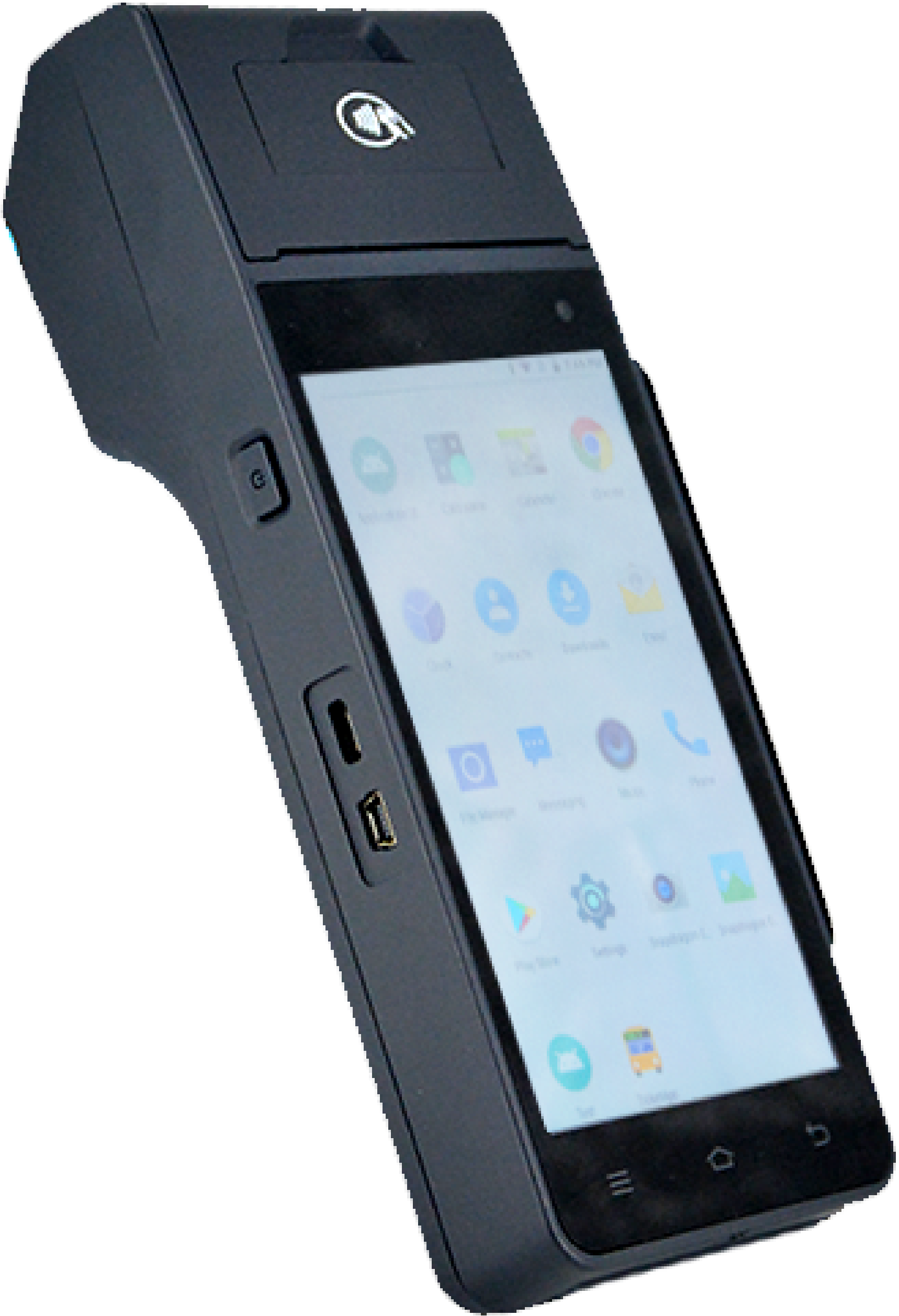
4. Integration with Transit Management Systems
Lans’ payment terminals are designed as integral components of broader smart transportation ecosystems. They seamlessly integrate with scheduling systems, passenger information displays, and fleet management platforms to create a unified operational environment. This integration enables transit authorities to optimize routes, manage resources more effectively, and provide passengers with accurate, real-time information about their journeys.
5. Durable Design for Public Transport Environments
Built to withstand the challenges of daily public transport operations, Lans’ terminals feature rugged construction that resists vibration, temperature extremes, and vandalism. Their compact, ergonomic design ensures they fit comfortably in various vehicle types while remaining easily accessible to passengers.
Global Implementation and Success Stories
Lans Communication’s payment terminals have been successfully implemented in over 400 cities worldwide, with more than 1 million devices installed across diverse transit systems. This global footprint demonstrates the universal applicability and reliability of Lans’ solutions across different operational environments and passenger demographics.
In China, major transit authorities including Xiamen Public Transport, Chengdu Public Transport, and Haiqi Group have adopted Lans’ payment systems to modernize their operations. These implementations have resulted in significant improvements in payment processing efficiency, reduced cash handling costs, and enhanced passenger satisfaction through faster boarding times and more convenient payment options.
Internationally, Lans has formed strategic partnerships with leading vehicle manufacturers such as Huawei, Yutong, and King Long to deploy joint solutions in over 40 countries including Thailand, South Africa, Saudi Arabia, UAE, Mongolia, Pakistan, and Malaysia. These collaborations have enabled transit authorities in these regions to leapfrog to advanced payment technologies without the need for extensive infrastructure overhauls.
Case Study: Transforming Public Transport in Riyadh, Saudi Arabia
One notable international implementation occurred in Riyadh, where Lans partnered with a local transit authority to upgrade the city’s bus payment system. The project involved deploying 4G-connected payment terminals across 1,500 buses, supporting multiple payment methods including the local mada debit card system.
The results were transformative. Payment processing times reduced by 60%, enabling faster boarding and improved schedule adherence. The real-time data capabilities allowed transit planners to optimize routes based on actual passenger demand patterns, leading to a 15% increase in operational efficiency. Passenger satisfaction scores improved significantly, with particular praise for the convenience of multiple payment options.
| Implementation Metric | Before Implementation | After Implementation |
|---|---|---|
| Average Payment Processing Time | 8 seconds | 3.2 seconds |
| Cash Handling Costs | 18% of revenue | 6% of revenue |
| Route Optimization Frequency | Monthly | Weekly |
| Passenger Satisfaction Score | 72/100 | 89/100 |
Technical Specifications and Customization Options
Lans Communication understands that different transit systems have unique requirements. Therefore, their payment terminals offer extensive customization options to meet specific operational needs while maintaining core functionality. Key technical specifications include:
- Processor: High-performance quad-core processor for rapid transaction processing
- Display: High-resolution capacitive touch screen with anti-glare coating
- Connectivity: 4G LTE with fallback to 3G/2G, Wi-Fi, and Bluetooth options
- Payment Methods: Support for all major international payment schemes plus regional-specific options
- Power Supply: 9-36V DC input with power management for vehicle environments
- Operating Temperature: -20°C to +70°C for reliable performance in extreme climates
- Certifications: Compliance with international standards including EMV, PCI PTS, and local regulatory requirements
Beyond these standard specifications, Lans offers extensive customization options including branding, interface localization, and integration with specific back-end systems. This flexibility has made Lans’ terminals the preferred choice for transit authorities seeking to implement tailored solutions without compromising on quality or reliability.
FAQ
What makes Lans Communication’s payment terminals different from other providers?
Lans’ terminals stand out through their comprehensive feature set, global implementation experience, and customization capabilities. Unlike basic payment devices, Lans’ solutions integrate seamlessly with broader transit management systems, offer advanced connectivity options, and support multiple payment methods. The company’s 18-year expertise in smart transportation ensures that their terminals address real-world operational challenges while providing a future-proof platform for evolving payment technologies.
How do 4G connectivity features benefit public transport operators?
4G connectivity provides several critical advantages for public transport payment systems. It enables real-time transaction processing, immediate fare updates, and continuous data synchronization with central management systems. This connectivity ensures that payment terminals remain operational even in areas with limited network coverage through intelligent offline caching and automatic transaction uploading when connectivity is restored. For operators, this means more accurate revenue reporting, reduced cash handling, and the ability to implement dynamic pricing models based on real-time conditions.
Can Lans’ payment terminals support local payment methods in international markets?
Absolutely. One of Lans’ key strengths is its ability to customize payment terminals for specific regional requirements. The company has extensive experience integrating local payment schemes such as mada in Saudi Arabia, Octopus in Hong Kong, and EZ-Link in Singapore. This localization capability extends beyond payment methods to include language support, currency formatting, and compliance with local regulatory standards, making Lans’ terminals truly global solutions with local relevance.
What maintenance is required for Lans’ public transport payment terminals?
Lans’ terminals are designed for minimal maintenance requirements in demanding public transport environments. Regular software updates are pushed remotely to ensure optimal performance and security. Hardware maintenance typically involves periodic cleaning of the touchscreen and reader components, which can be performed quickly during routine vehicle servicing. Lans also offers comprehensive maintenance contracts that include on-site support, spare parts provisioning, and proactive monitoring to maximize terminal uptime.
How does Lans ensure the security of payment transactions on their terminals?
Security is a top priority in all Lans payment solutions. The terminals incorporate multiple security layers including end-to-end encryption for all transactions, secure element technology for storing sensitive data, and regular security updates to address emerging threats. Lans’ payment systems are certified to international standards including EMV and PCI PTS, and the company works closely with payment networks to ensure ongoing compliance with evolving security requirements. Additionally, the terminals feature tamper-evident designs that alert operators to any unauthorized access attempts.
Summary
As public transport systems worldwide continue to evolve, the role of advanced payment terminals becomes increasingly critical. Xiamen Lans Communication Co., Ltd. has established itself as a global leader in this field by delivering innovative, reliable, and customizable payment solutions that address the complex needs of modern transit operations. With nearly two decades of expertise, over 400 city implementations, and more than 1 million devices deployed globally, Lans offers transit authorities a proven path to modernizing their payment infrastructure.
The company’s flagship payment terminals represent the convergence of cutting-edge technology and practical transit operation requirements. By supporting multiple payment methods, offering robust 4G connectivity, and integrating seamlessly with broader transit management systems, Lans’ solutions deliver measurable improvements in operational efficiency, passenger experience, and revenue management.
For transit authorities seeking to future-proof their payment systems while providing passengers with the convenience they expect in the digital age, Lans Communication offers a compelling combination of innovation, reliability, and global implementation experience. As cities continue to invest in smart transportation infrastructure, Lans’ payment terminals will play a vital role in creating more efficient, sustainable, and passenger-friendly public transport systems worldwide.