
In the evolving landscape of smart transportation, passenger information display systems have become indispensable components for enhancing public transit experiences worldwide. As a leading provider of intelligent transportation solutions with nearly two decades of industry expertise, Xiamen Lans Communication (Stock Code: 430491) has developed cutting-edge display technologies that are transforming transit systems across 400+ cities globally. This comprehensive guide explores the functionality, benefits, and implementation of our advanced passenger information display systems, designed to optimize transit operations and improve passenger satisfaction.
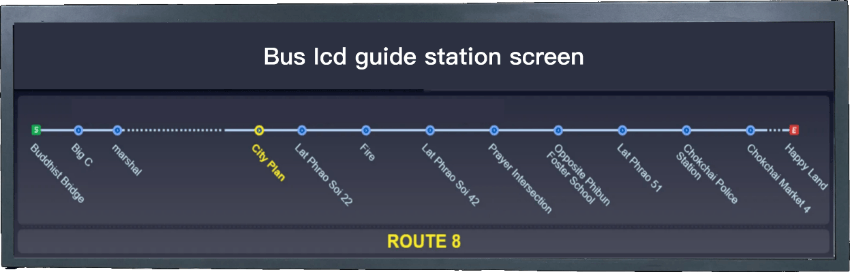
Understanding Passenger Information Display Systems
Passenger information display systems represent the communication bridge between transit operators and passengers, providing real-time information about schedules, routes, and service updates. These systems typically consist of two main components: in-vehicle displays and outdoor electronic bus stop signs. When integrated with our comprehensive smart transportation solutions, these displays become powerful tools for enhancing operational efficiency and passenger experience.
Our passenger information displays leverage advanced technologies including high-definition screens, GPS positioning, and wireless communication to deliver accurate, timely information. The systems are designed to withstand the rigorous demands of public transit environments while maintaining clear visibility under various lighting conditions. With support for multiple languages and customizable content, our displays cater to diverse urban populations and international travelers.
Key Components of Our Transit Display Solutions
The passenger information display ecosystem comprises several interconnected components that work together to deliver seamless information flow:
1. In-Vehicle Passenger Information Displays
Installed inside transit vehicles, these displays provide passengers with real-time information about upcoming stops, transfer options, and estimated arrival times. Our in-vehicle displays feature:
- High-resolution LED or LCD screens with adjustable brightness
- Multi-language support for global transit systems
- Integration with automatic announcement systems
- Emergency alert capabilities
- Advertising and public service announcement functionality
2. Outdoor Electronic Bus Stop Signs
These solar-powered displays at transit stops provide waiting passengers with crucial information including:
- Real-time vehicle arrival predictions
- Service alerts and route changes
- Weather updates and emergency notifications
- Multi-modal transit information integration
- Touchscreen interfaces for passenger queries

3. Central Management System
The backbone of our display solutions, this cloud-based platform enables transit operators to:
- Remotely manage display content across the network
- Monitor system health and performance metrics
- Generate operational reports and analytics
- Coordinate emergency responses and service disruptions
- Integrate with other transit management systems
Technical Specifications and Performance
Our passenger information displays are engineered to meet the rigorous demands of public transit operations:
| Feature | Specification |
|---|---|
| Display Resolution | Up to 1920×1080 pixels (Full HD) |
| Brightness | 1000-2000 nits (adjustable) |
| Operating Temperature | -30°C to +60°C |
| Protection Rating | IP65 (outdoor models) |
| Communication | 4G/5G, Wi-Fi, GPS |
| Power Consumption | 30-150W (depending on size) |
Global Implementation and Success Stories
With deployments in over 400 cities worldwide and equipment installed in more than 1 million vehicles, our passenger information display systems have demonstrated their effectiveness across diverse transit environments. Notable implementations include:
- Xiamen Public Transport: Our systems helped reduce passenger complaints by 40% through improved information accuracy and timeliness
- Chengdu Bus Group: Real-time displays contributed to a 15% increase in ridership by improving passenger confidence in schedule reliability
- Dubai Metro Integration: Multilingual displays support the city’s international population and tourists
- Johannesburg BRT: Solar-powered outdoor signs provide reliable information in areas with unstable power infrastructure
These implementations demonstrate how our solutions adapt to different operational requirements while consistently delivering measurable improvements in transit efficiency and passenger satisfaction.
FAQ
What makes Lans Communication’s passenger information displays different from other providers?
Our systems combine hardware reliability with intelligent software integration, offering end-to-end solutions rather than standalone displays. With nearly two decades of transit industry experience, we understand the operational challenges and have designed our systems to address them specifically, including robustness for harsh environments, multi-language support, and seamless integration with other transit management systems.
How do the displays handle power outages or network disruptions?
Our outdoor electronic bus stop signs feature solar power options with battery backup, ensuring continuous operation during power outages. The systems also maintain local storage of schedule information, allowing basic display functionality even without network connectivity. For in-vehicle displays, we implement fail-safe mechanisms that switch to basic information display modes during communication interruptions.
Can the displays show content other than transit information?
Yes, our systems support flexible content management that allows transit authorities to display public service announcements, emergency alerts, weather information, and even commercial advertising. The central management platform enables precise scheduling of different content types based on time of day, location, or special events.
How long does it typically take to deploy a complete passenger information display system?
Implementation timelines vary based on system scale and existing infrastructure, but a typical city-wide deployment takes 6-12 months from planning to full operation. This includes site surveys, hardware installation, system configuration, staff training, and testing phases. Our project management team works closely with clients to establish realistic timelines and minimize service disruptions during installation.
Summary
Passenger information display systems represent a critical investment for modern transit authorities seeking to improve operational efficiency and passenger satisfaction. Xiamen Lans Communication’s comprehensive solutions combine robust hardware with intelligent software to deliver real-time information that enhances the transit experience while providing operators with valuable data for service optimization. With proven implementations across 400+ cities and 1 million+ vehicles worldwide, our systems offer a reliable, scalable approach to transit information management that addresses the unique challenges of urban mobility in the digital age.