
The public transportation industry stands at a critical juncture where safety, efficiency, and passenger experience must evolve to meet modern urban demands. Xiamen Lans Communication Co., Ltd. (Stock Code: 430491), a national leader in intelligent transportation solutions since 2006, addresses these challenges through its groundbreaking vehicle-mounted full HD bus AI terminal – the “brain and eyes” of modern public transport vehicles.
With nearly two decades of expertise in intelligent transportation, vehicle networking, and smart sanitation, Lans Communication has developed a comprehensive hardware-software integration system that has been implemented in over 400 cities worldwide, equipping more than 1 million vehicles. This article explores how their flagship AI terminal redefines bus safety standards while optimizing operational efficiency through cutting-edge technology.
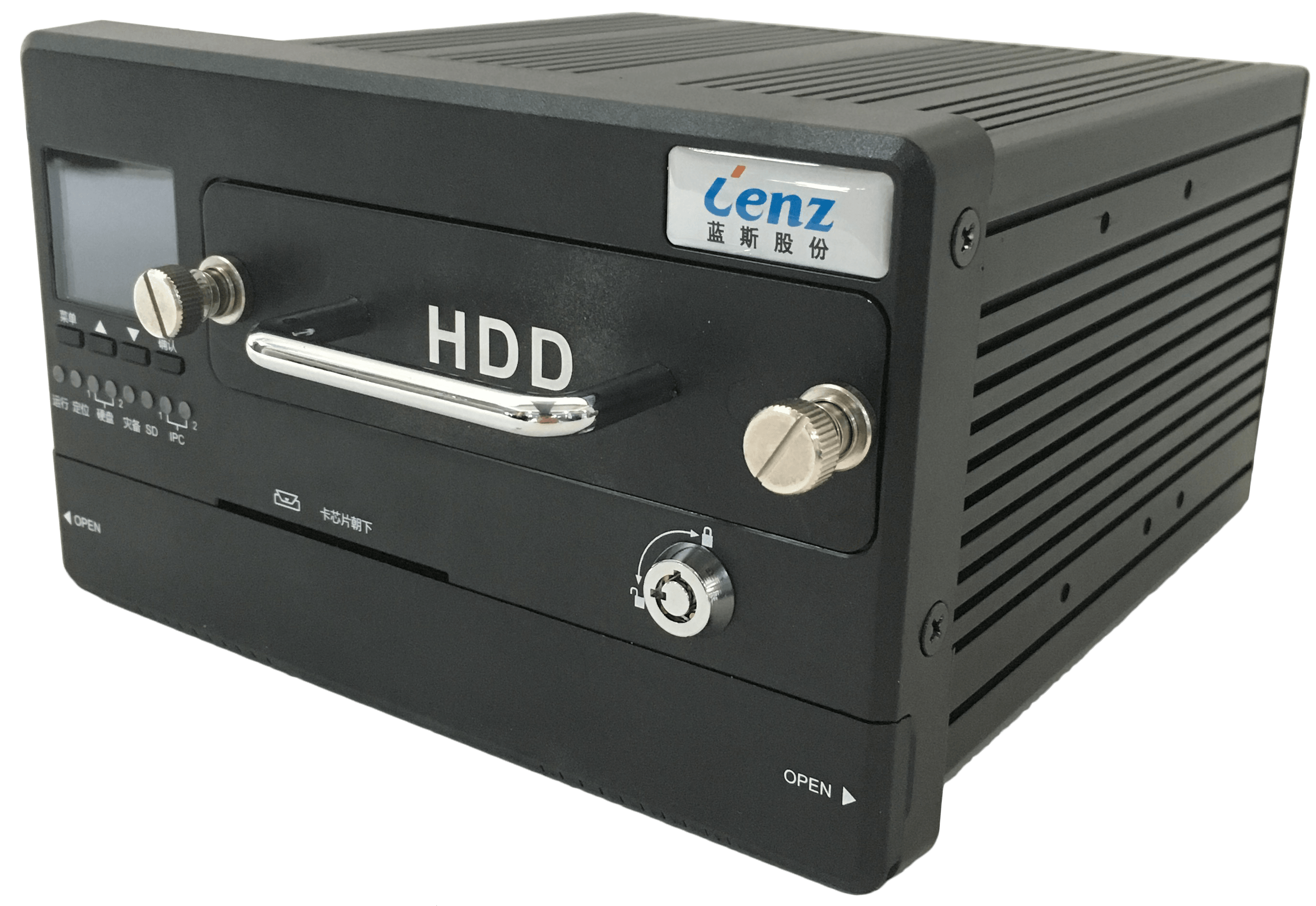
Core Functions of the Bus AI Terminal System
The vehicle-mounted full HD AI terminal represents a quantum leap in bus technology by integrating multiple critical functions into one unified system. Unlike traditional monitoring devices that operate in silos, Lans Communication’s solution creates a synergistic environment where video surveillance, positioning tracking, AI recognition, automatic announcement, two-way intercom, and driving record functions work seamlessly together.
This multi-functional approach addresses the complete operational spectrum of public buses. From ensuring passenger safety through real-time hazard detection to streamlining daily operations with automated systems, the terminal serves as the central nervous system of modern bus fleets. Its ability to process and analyze data locally (edge computing) while synchronizing with cloud platforms enables immediate responses to critical situations while maintaining comprehensive records for long-term fleet management.
Advanced Safety Monitoring Capabilities
Safety represents the cornerstone of Lans Communication’s AI terminal design. The system continuously monitors for eight critical danger scenarios in real-time: lane departure, front collision, driver fatigue, driver distraction, vehicle blind spots, sudden braking, abnormal door operations, and route deviations. When any hazard is detected, the terminal immediately triggers visual and auditory alerts to both the driver and control center.
This proactive safety approach has demonstrated remarkable results in field implementations. For instance, in Chengdu’s public transport system, the installation of Lans Communication’s AI terminals reduced accident rates by 37% within the first six months of operation. The system’s driver monitoring component alone prevents approximately 12,000 potential distraction incidents monthly across deployed fleets by analyzing facial expressions and eye movement patterns.
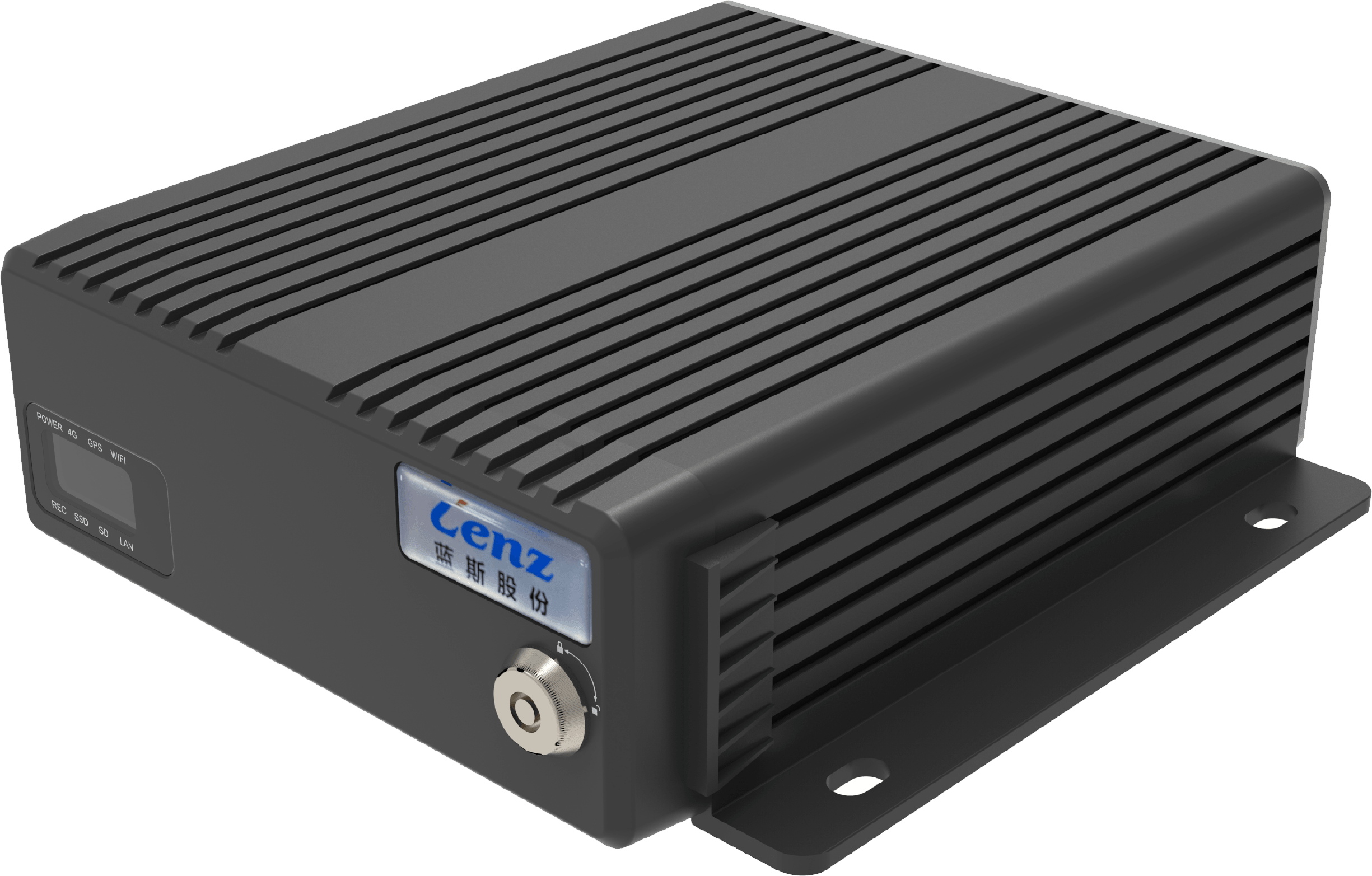
Technical Specifications & Deployment
The terminal’s hardware configuration ensures reliable performance in demanding urban environments. Key specifications include:
- Full HD 1080p video recording with night vision capability
- Multi-channel camera support (up to 8 simultaneous feeds)
- Built-in 4G/5G communication module with failover to offline mode
- GPS/Beidou dual-mode positioning with 2-meter accuracy
- IP67-rated waterproof and dustproof enclosure
- -20°C to 60°C operating temperature range
- 128GB solid-state storage with cyclic recording
Deployment flexibility remains a critical advantage, with the system supporting both new bus installations and retrofitting existing vehicles. The modular design allows transportation authorities to scale functionality according to budget and requirements, implementing basic safety monitoring initially and adding passenger information systems or payment terminals later.
Global Implementation & Industry Impact
Lans Communication’s solutions have transformed public transportation across diverse geographical and cultural contexts. In Thailand, their joint solution with a major local bus manufacturer reduced operational costs by 22% while improving passenger satisfaction scores by 34% through more accurate arrival predictions and safer driving practices.
The company’s international footprint extends to 40 countries including Saudi Arabia, South Africa, and Malaysia, where their technology addresses unique regional challenges. In Dubai’s extreme heat conditions, the terminals’ thermal management systems maintain optimal performance, while in Mongolia’s harsh winters, the specialized cold-start technology ensures reliable operation at -40°C.
| Implementation Region | Key Benefits Achieved | Technology Adaptation |
|---|---|---|
| Southeast Asia | 28% reduction in maintenance costs | Humidity-resistant components |
| Middle East | 41% improvement in on-time performance | Sandstorm protection filters |
| Africa | 33% decrease in accident rates | Power stabilization modules |
Complementary Product Ecosystem
While the vehicle-mounted AI terminal forms the core of Lans Communication’s intelligent transportation offering, their complete ecosystem includes several complementary products that create a holistic solution:
1. Intelligent Operation Panel: Available in 12.3-inch and 7-inch versions, this driver console simplifies operations through one-touch card signing, automatic station reporting, route switching, and direct communication with dispatch centers. In Xiamen’s bus fleet, this reduced driver training time by 40% while cutting response times to调度 instructions by 65%.
2. Vehicle Payment Terminals: Supporting multiple payment methods including QR codes, NFC, and even palm vein recognition, these terminals ensure seamless transactions even in offline mode. During peak hours in Jakarta, this capability maintains payment processing speeds below 0.3 seconds per transaction despite occasional network congestion.
3. Passenger Information Systems: Combining in-vehicle displays with outdoor electronic signboards, these systems provide real-time arrival information and advertising content. In Cape Town, this reduced passenger inquiries to staff by 58% while increasing advertising revenue for transit authorities by 210% through dynamic content management.
FAQ
What makes Lans Communication’s bus AI terminal different from standard surveillance systems?
Unlike traditional cameras that only record events, our AI terminal actively analyzes video feeds in real-time to detect safety hazards and operational inefficiencies. The system’s edge computing capability processes data locally for immediate responses while synchronizing with cloud platforms for comprehensive fleet management. This proactive approach prevents accidents before they occur rather than just documenting them after the fact.
How does the system handle network connectivity issues in remote areas?
<
The terminal features dual-mode communication with both 4G/5G and offline capabilities. When network coverage is unavailable, it continues recording all data locally with cyclic storage management. Once connectivity resumes, it automatically uploads buffered data to the cloud platform. This ensures continuous operation even in areas with intermittent network service like rural regions of South Africa or mountainous areas in China.
What maintenance is required for the AI terminal system?
Our solution requires minimal maintenance thanks to its industrial-grade design. The solid-state storage eliminates moving parts, while the IP67-rated enclosure protects against dust and water ingress. We recommend quarterly cleaning of camera lenses and annual firmware updates, which can be performed remotely. The system’s self-diagnostic function alerts operators to any potential issues before they impact performance.
Can the system integrate with existing transportation management platforms?
Absolutely. We designed our solution with open architecture principles to ensure compatibility with various transportation management systems. Our API documentation allows seamless integration with scheduling software, payment processors, and analytics platforms. We’ve successfully integrated with over 15 different third-party systems globally, including Huawei’s intelligent transportation cloud in Saudi Arabia.
What training is required for bus drivers and maintenance staff?
We provide comprehensive training programs tailored to different user roles. Drivers receive 2-hour sessions covering basic operation, emergency procedures, and system limitations. Maintenance technicians undergo 2-day certification programs including hardware diagnostics, software troubleshooting, and calibration procedures. All training materials are available in multiple languages and we offer refresher courses annually.
Summary
Xiamen Lans Communication’s vehicle-mounted full HD bus AI terminal represents a paradigm shift in public transportation technology. By combining advanced safety monitoring, intelligent operation management, and seamless passenger services into one unified system, the solution addresses the complete operational spectrum of modern bus fleets. Its proven effectiveness across 400+ cities worldwide demonstrates the universal applicability of this technology in diverse cultural and geographical contexts.
The system’s modular design allows transportation authorities to implement solutions tailored to their specific needs and budget constraints, whether upgrading existing fleets or equipping new vehicles. With continuous software updates and a growing ecosystem of complementary products, Lans Communication ensures their clients remain at the forefront of intelligent transportation innovation.
As cities worldwide face increasing pressure to improve public transport efficiency while reducing environmental impact, solutions like Lans Communication’s AI terminal provide a clear path forward. By transforming buses into connected, intelligent vehicles that actively contribute to safer roads and more efficient operations, this technology plays a crucial role in shaping the future of urban mobility.