
Public transportation systems worldwide face increasing pressure to modernize ticketing solutions while maintaining operational efficiency and passenger satisfaction. In this context, intelligent payment terminals have emerged as essential components for smart transit infrastructure. This article explores the technological advancements and practical applications of 4G-enabled bus payment terminals that support multiple payment methods, ensuring seamless transactions even in areas with limited network connectivity.
The Evolution of Bus Payment Systems
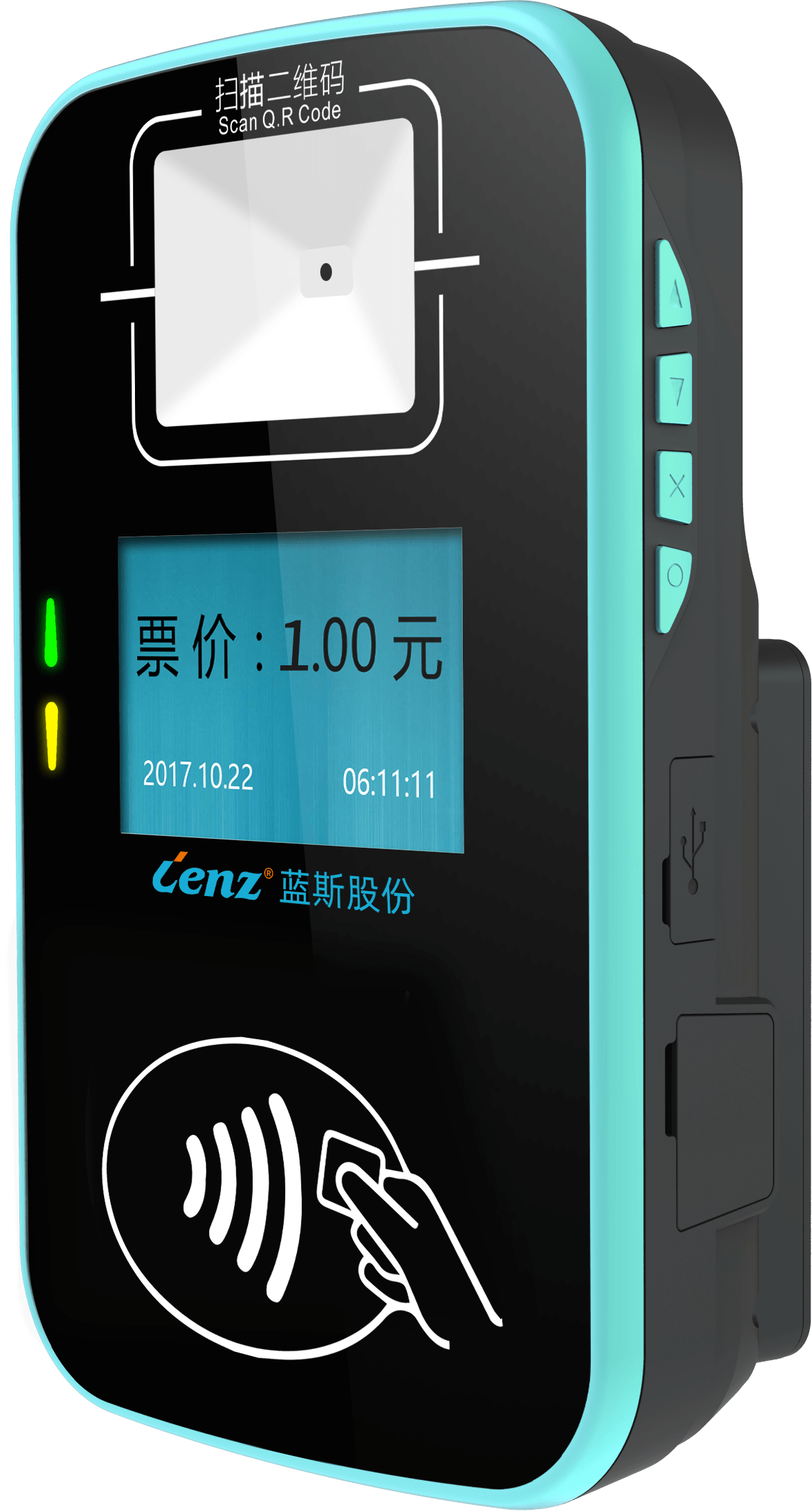
Traditional bus payment methods have evolved significantly over the past decade. From cash-only systems to magnetic stripe cards, each iteration brought improvements but also limitations. The introduction of contactless payment technologies marked a turning point, enabling faster transactions and reduced physical contact – crucial during health crises. Modern 4G bus payment terminals represent the next generation, combining multiple payment options with intelligent connectivity features.
These advanced terminals support QR code scanning, NFC payments, bank card transactions, and even biometric verification in premium models. The integration of 4G connectivity ensures real-time transaction processing while maintaining functionality in offline mode through local caching. This dual-mode operation addresses connectivity challenges in remote areas or during network outages, ensuring uninterrupted service.
Key Features of Modern Bus Payment Terminals
The most sophisticated bus payment terminals incorporate several innovative features designed to enhance operational efficiency and passenger experience:
- Multi-payment support: Accepts QR codes, NFC, bank cards, and biometric payments
- Offline functionality: Maintains operation during network outages with transaction caching
- 4G connectivity: Enables real-time transaction processing and remote management
- Compact design: Space-efficient installations suitable for various vehicle types
- Durable construction: Withstands vibration and temperature variations in transit environments
- Easy integration: Compatible with existing transit management systems
- Security features: Encrypted transactions and anti-tampering mechanisms
These terminals represent more than just payment devices – they serve as intelligent nodes in the broader transit ecosystem, collecting valuable data for operational optimization while providing passengers with convenient payment options. The ability to process transactions quickly reduces boarding times, improving overall schedule adherence and passenger satisfaction.
Technical Specifications Comparison
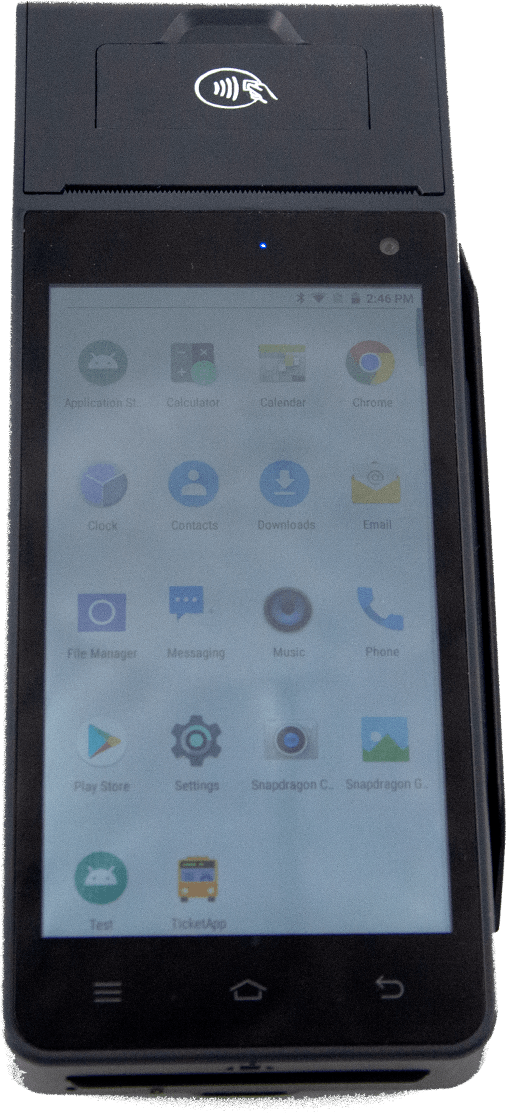
When evaluating bus payment terminals, transit authorities should consider several technical parameters:
| Parameter | Basic Model | Premium Model |
|---|---|---|
| Payment Methods | QR, NFC, Bank Card | QR, NFC, Bank Card, Face Recognition, Palm Vein |
| Connectivity | 4G/WiFi | 4G/WiFi/Bluetooth |
| Offline Storage | 1,000 transactions | 5,000 transactions |
| Operating Temp | -20°C to 60°C | -30°C to 70°C |
| Certification | PCI, EMV | PCI, EMV, ISO |
Global Implementation Case Studies
Leading transit authorities worldwide have successfully implemented these advanced payment solutions. In Southeast Asia, a major city deployed 5,000 terminals across its bus network, achieving 98% transaction success rates even during peak hours. The system’s offline functionality proved crucial during monsoon season when network connectivity was frequently disrupted.
In the Middle East, a transit operator implemented face recognition payment terminals in premium bus services, reducing boarding times by 40% while enhancing security. The system’s AI capabilities automatically detected and prevented fraudulent transactions, saving the operator significant losses in the first year of operation.
These implementations demonstrate how intelligent payment terminals can address specific regional challenges while delivering universal benefits like improved operational efficiency and enhanced passenger experience. The ability to customize solutions for different operational environments and passenger demographics has been key to their global success.
FAQ
What payment methods do these bus terminals support?
Modern bus payment terminals typically support multiple payment methods including QR code scanning, NFC contactless payments, traditional bank card transactions, and in premium models, biometric verification like face recognition or palm vein scanning. This multi-payment approach ensures accessibility for all passengers while accommodating evolving payment trends.
How do these terminals function in areas with poor network connectivity?
All advanced bus payment terminals feature offline operation capability. They store transaction data locally when network connectivity is unavailable and automatically sync with the central system once connection is restored. This ensures uninterrupted service even in remote areas or during network outages, with capacity to store thousands of transactions before requiring synchronization.
What security measures are implemented in these payment systems?
Security is paramount in transit payment systems. These terminals employ multiple security layers including end-to-end encryption for all transactions, secure element technology for storing sensitive data, and anti-tampering mechanisms that detect and respond to physical attacks. Biometric models add additional security through liveness detection to prevent spoofing attempts.
Can these terminals integrate with existing transit management systems?
Yes, all modern bus payment terminals are designed for easy integration with existing transit management infrastructure. They typically support standard communication protocols and provide APIs for data exchange with scheduling systems, fare collection platforms, and passenger information displays. This ensures seamless operation within the broader transit ecosystem.
What maintenance is required for these payment devices?
Bus payment terminals require minimal maintenance due to their rugged design. Regular cleaning to prevent dust accumulation and occasional firmware updates are typically sufficient. The devices are built to withstand vibration, temperature extremes, and other challenges of transit environments. Most manufacturers offer comprehensive maintenance contracts covering hardware repairs and software updates.
Summary
The evolution of bus payment terminals represents a critical component in the modernization of public transportation systems worldwide. Advanced 4G-enabled devices offering multiple payment methods, offline functionality, and intelligent features are transforming how passengers pay for transit services while providing operators with valuable data for operational optimization. These solutions not only improve efficiency but also enhance passenger experience through faster boarding times and diverse payment options.
As cities continue to invest in smart transit infrastructure, the adoption of these intelligent payment terminals will accelerate. Their ability to address connectivity challenges, support emerging payment technologies, and integrate with broader transit management systems makes them essential components for future-ready public transportation networks. Transit authorities that implement these solutions position themselves to deliver superior service while preparing for the evolving needs of urban mobility.