
In today’s fast-paced urban environments, efficient public transportation systems are essential for maintaining mobility and reducing congestion. At the heart of these systems lies innovative technology that connects passengers with real-time information about their journeys. Smart bus stop electronic signage systems have emerged as a critical component in modernizing public transport infrastructure, offering passengers accurate, timely information while enhancing operational efficiency for transit authorities. This comprehensive guide explores the technology, benefits, and implementation of intelligent bus stop displays from Xiamen Lansce Communication, a leading global provider of smart transportation solutions.
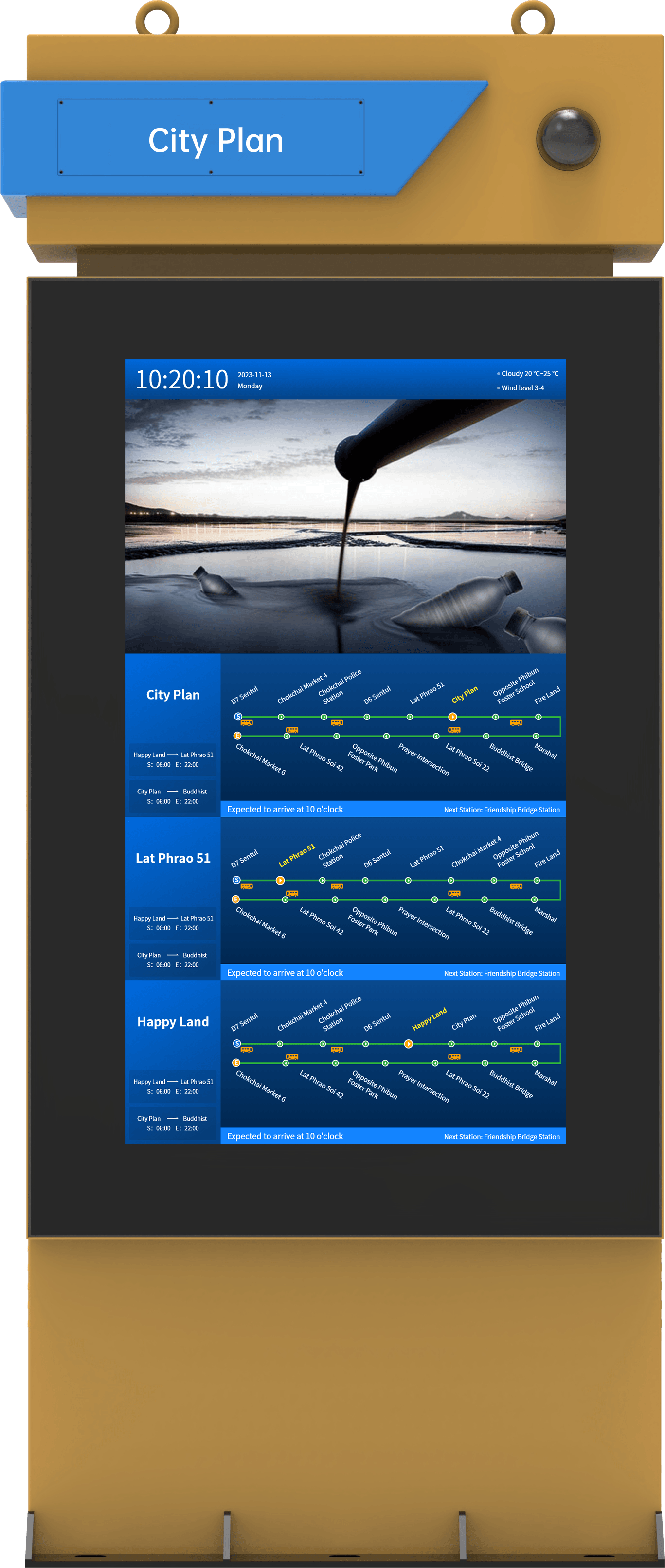
The Evolution of Bus Stop Information Systems
Traditional bus stops with static timetables have long been insufficient in meeting the dynamic needs of modern urban transportation. The introduction of electronic signage systems marked a significant leap forward, transforming passive waiting points into active information hubs. Early digital displays provided basic arrival times but lacked the sophistication needed for today’s complex transit networks.
Modern smart bus stop electronic signage systems represent the pinnacle of this evolution. These intelligent displays integrate multiple data sources, advanced communication technologies, and user-centric design to create comprehensive passenger information solutions. Xiamen Lansce Communication has been at the forefront of this transformation, developing cutting-edge systems that address the challenges of urban mobility while enhancing passenger experience.
Our approach combines hardware excellence with intelligent software platforms, creating solutions that go beyond simple time displays. By incorporating real-time tracking, predictive analytics, and multi-modal information integration, our systems provide passengers with a complete picture of their journey options, even accounting for potential delays or route changes.
Key Components of Advanced Electronic Signage Systems
A sophisticated smart bus stop electronic signage system comprises several essential elements working in harmony to deliver reliable information. At the core is the display unit itself, engineered for maximum visibility in all lighting conditions while withstanding harsh outdoor environments. Xiamen Lansce Communication’s displays feature high-brightness LED technology with automatic brightness adjustment, ensuring perfect readability whether in direct sunlight or at night.
The outdoor casing deserves special attention in our design philosophy. Constructed from durable, weather-resistant materials with IP65 or higher protection ratings, our displays operate reliably through rain, snow, extreme temperatures, and dust. This robust construction minimizes maintenance requirements while guaranteeing consistent performance year-round.
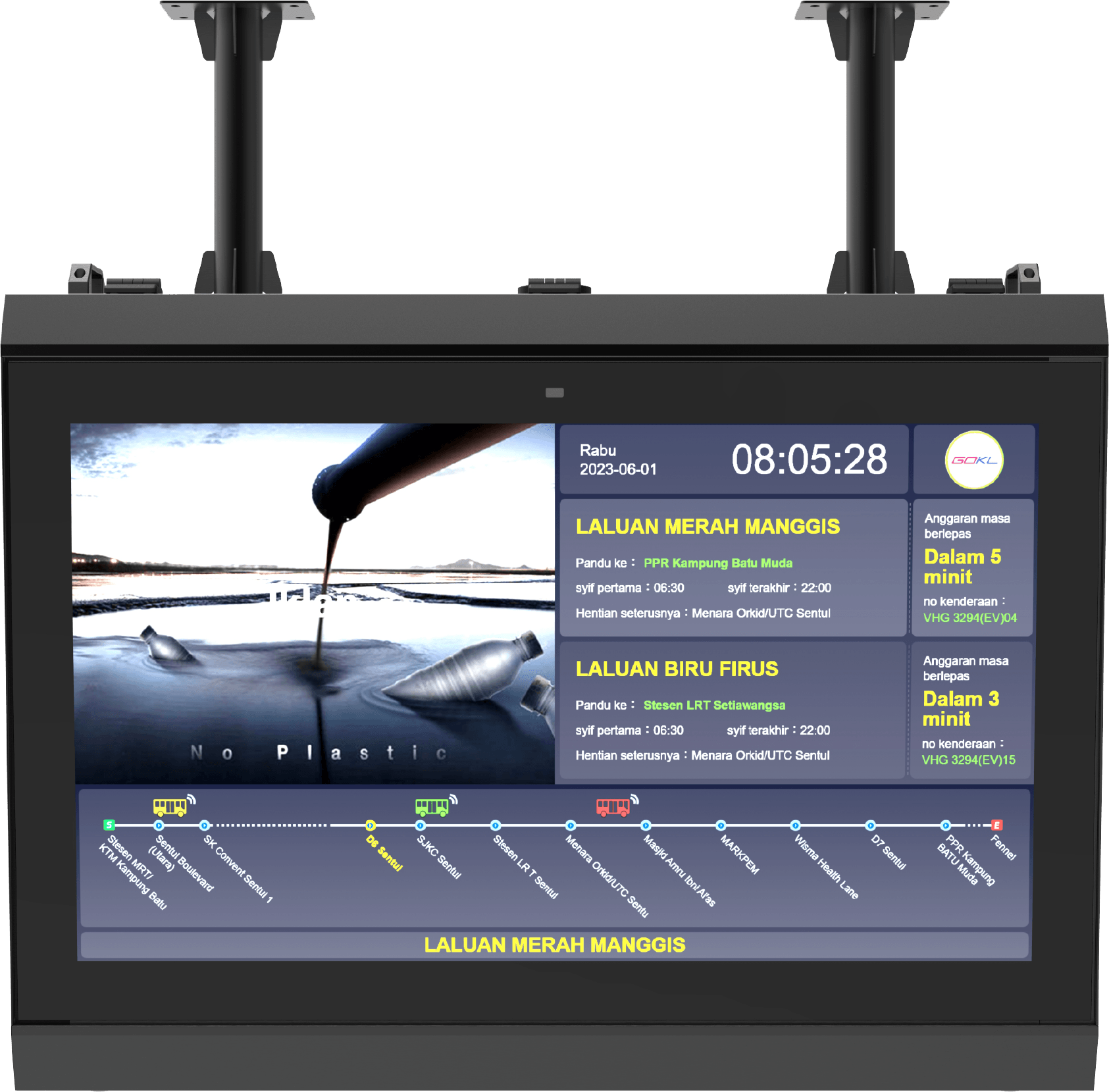
Connectivity forms the nervous system of these intelligent displays. Our solutions support multiple communication protocols including 4G/5G, Wi-Fi, and Ethernet, ensuring reliable data transmission even in areas with challenging network conditions. For locations with limited connectivity, we incorporate edge computing capabilities that allow displays to continue functioning with cached data and later synchronize when connection is restored.
The software platform represents the brain of the system, processing incoming data from various sources including GPS tracking, scheduling systems, and traffic management centers. Our proprietary algorithms analyze this information to generate accurate arrival predictions, accounting for current traffic conditions and potential delays. This predictive capability transforms basic time displays into intelligent travel companions that help passengers plan their journeys more effectively.
Technical Specifications of Modern Bus Stop Displays
When evaluating electronic signage systems, several technical parameters determine their effectiveness and reliability:
- Display Resolution: High-definition displays (1080p or higher) ensure crisp text and graphics even at close viewing distances
- Brightness Levels: Minimum 2,500 nits for direct sunlight readability, with automatic dimming for energy efficiency at night
- Viewing Angles: Wide 170°+ horizontal and vertical viewing angles for optimal visibility from multiple positions
- Temperature Range: Operating range of -30°C to +60°C to handle extreme climates
- Power Consumption: Energy-efficient designs with smart power management to reduce operational costs
- Update Speed: Sub-second refresh rates for displaying real-time information without perceptible delay
Xiamen Lansce Communication’s products exceed these baseline requirements, incorporating additional features like anti-glare coatings, vandal-resistant enclosures, and remote management capabilities. Our systems support multi-language displays, making them ideal for international cities with diverse passenger populations.
| Feature | Standard Model | Premium Model |
|---|---|---|
| Display Size | 32-43 inches | 49-55 inches |
| Brightness | 2,500 nits | 3,000 nits |
| Connectivity | 4G/Wi-Fi | 5G/Wi-Fi/Ethernet |
| Power Supply | 100-240V AC | 100-240V AC + Solar option |
| Mounting | Post/Wall | Post/Wall/Roof |
Enhancing Passenger Experience Through Intelligent Displays
The primary goal of any public transportation information system is to improve the passenger experience. Smart bus stop electronic signage systems achieve this through several innovative approaches. Real-time arrival information reduces uncertainty and anxiety associated with waiting for public transport, particularly during peak hours or in adverse weather conditions.
Our systems go beyond simple time displays by integrating multi-modal information. Passengers can view not only bus arrival times but also connections to other transport modes like trains, trams, or bike-sharing stations. This comprehensive approach supports seamless door-to-door journey planning, encouraging greater use of public transportation and reducing reliance on private vehicles.
Accessibility features form another crucial aspect of our design philosophy. All displays support high-contrast text modes and adjustable font sizes for visually impaired users. Audio announcements can be integrated for those with hearing impairments, while tactile feedback options benefit passengers with motor disabilities. Multi-language support ensures that non-native speakers can easily understand displayed information.
Emergency communication capabilities represent another valuable feature of our systems. In the event of service disruptions, natural disasters, or security incidents, transit authorities can instantly broadcast alerts and instructions to all connected displays. This rapid dissemination of critical information enhances passenger safety and helps manage crowd control during emergencies.
Operational Benefits for Transit Authorities
While passenger experience remains paramount, smart bus stop electronic signage systems also deliver significant operational advantages for transit authorities. Real-time data collection enables more efficient fleet management, with operators gaining insights into service performance, passenger demand patterns, and potential bottlenecks.
Our systems support dynamic scheduling adjustments based on actual ridership data. If a particular route consistently experiences overcrowding at certain times, operators can deploy additional vehicles or adjust timetables to better match demand. Conversely, underutilized routes can be identified for potential service reductions or route modifications, optimizing resource allocation across the network.
Predictive maintenance capabilities help reduce downtime and repair costs. By monitoring display performance metrics and environmental conditions, our systems can identify potential hardware issues before they cause failures. Remote diagnostics allow technicians to address many problems without physical site visits, minimizing service interruptions and maintenance expenses.
The environmental impact of public transportation becomes more measurable with intelligent signage systems. By encouraging greater use of buses through improved information availability, cities can reduce carbon emissions from private vehicles. Our energy-efficient displays further contribute to sustainability goals, with some models incorporating solar power options for off-grid installations.
Global Implementation Case Studies
Xiamen Lansce Communication’s smart bus stop electronic signage systems have been successfully implemented in over 400 cities worldwide, demonstrating their versatility across diverse urban environments and cultural contexts. In Bangkok, Thailand, our systems transformed the city’s bus rapid transit (BRT) network by providing accurate real-time information to millions of daily passengers, resulting in a 15% increase in ridership within the first year of operation.
The implementation in Riyadh, Saudi Arabia, showcased our systems’ ability to withstand extreme desert conditions. Special cooling systems and sand-resistant displays ensured reliable operation despite temperatures exceeding 50°C and frequent sandstorms. This project also demonstrated our multilingual capabilities, with displays showing information in both Arabic and English.
In Cape Town, South Africa, our solution addressed unique challenges related to intermittent power supply. The integration of solar panels with battery backup systems ensured continuous operation even during extended power outages, a critical requirement in areas with unreliable grid infrastructure. This implementation highlighted our commitment to developing solutions tailored to specific local needs.
Closer to home, our systems have been deployed in numerous Chinese cities including Xiamen, Chengdu, and Haikou. These domestic projects benefit from our deep understanding of local transit operations and passenger behaviors, resulting in highly optimized solutions that balance technological sophistication with practical usability.
FAQ
What makes smart bus stop electronic signage systems different from traditional displays?
Smart systems integrate real-time data processing, predictive analytics, and multi-modal information to provide dynamic, accurate information rather than static schedules. They incorporate advanced connectivity, weather resistance, and accessibility features that traditional displays lack, transforming bus stops into intelligent nodes in the urban transportation network.
How do these systems handle areas with poor network connectivity?
Our solutions feature edge computing capabilities that allow displays to operate with cached data when connectivity is limited. They support multiple communication protocols including 4G/5G, Wi-Fi, and Ethernet, automatically switching between them based on availability. Some models also incorporate solar power options for completely off-grid installations.
Can the displays show information in multiple languages?
Yes, all our smart bus stop displays support multi-language functionality. This feature is particularly valuable in international cities with diverse passenger populations, ensuring that non-native speakers can easily understand displayed information about routes, schedules, and service alerts.
What maintenance is required for outdoor electronic signage systems?
Our systems are designed for minimal maintenance with robust, weather-resistant construction and self-diagnostic capabilities. Regular cleaning to remove dust or debris is typically the primary requirement. Remote monitoring allows technicians to identify and address most issues without physical site visits, reducing maintenance costs and service interruptions.
How do these systems improve passenger safety during emergencies?
Smart bus stop displays can instantly broadcast emergency alerts and instructions from transit authorities or civil defense agencies. This rapid dissemination of critical information helps manage crowd control during evacuations or service disruptions. Some systems also include emergency call buttons that passengers can use to contact authorities directly.
Summary
Smart bus stop electronic signage systems represent a transformative technology in modern urban transportation, offering passengers accurate, real-time information while providing transit authorities with powerful tools for network optimization and operational efficiency. Xiamen Lansce Communication’s advanced solutions combine cutting-edge hardware with intelligent software platforms, creating systems that withstand harsh outdoor environments while delivering comprehensive travel information.
Our global implementations in over 400 cities demonstrate the versatility and effectiveness of our approach across diverse cultural and operational contexts. By focusing on passenger experience, operational efficiency, and environmental sustainability, we help cities create public transportation systems that are not only more attractive to users but also more resilient and cost-effective to operate.
As urban populations continue to grow and the demand for sustainable mobility solutions increases, intelligent bus stop displays will play an increasingly vital role in shaping the future of public transportation. Xiamen Lansce Communication remains committed to advancing this technology, developing innovative solutions that address the evolving challenges of urban mobility while enhancing the quality of life for city residents worldwide.