
In the era of smart cities, public transportation systems worldwide are undergoing digital transformation to enhance passenger experience and operational efficiency. Electronic bus stop signs have emerged as critical components in this evolution, providing real-time information and transforming traditional waiting areas into connected transit hubs. As a pioneer in intelligent transportation solutions, Xiamen Lanscomm Communication Co., Ltd. (Stock Code: 430491) has been at the forefront of this revolution since 2006, delivering innovative products that have been implemented in over 400 cities globally.
The Evolution of Bus Stop Information Systems
Traditional bus stops with static timetables have long frustrated passengers with their limited information and frequent inaccuracies. Modern electronic bus stop signs address these challenges through dynamic displays that show real-time vehicle locations, estimated arrival times, and service alerts. These systems represent a fundamental shift in how public transit information is delivered, creating more transparent and user-friendly experiences for commuters.
Xiamen Lanscomm’s approach to electronic bus stop signs combines hardware innovation with intelligent software solutions. The company’s passenger information display systems fall into two primary categories: in-vehicle navigation screens and outdoor electronic bus stop signs. Each type serves specific functions within the broader smart transportation ecosystem while sharing core technologies that ensure seamless integration.
Core Components of Smart Bus Stop Solutions
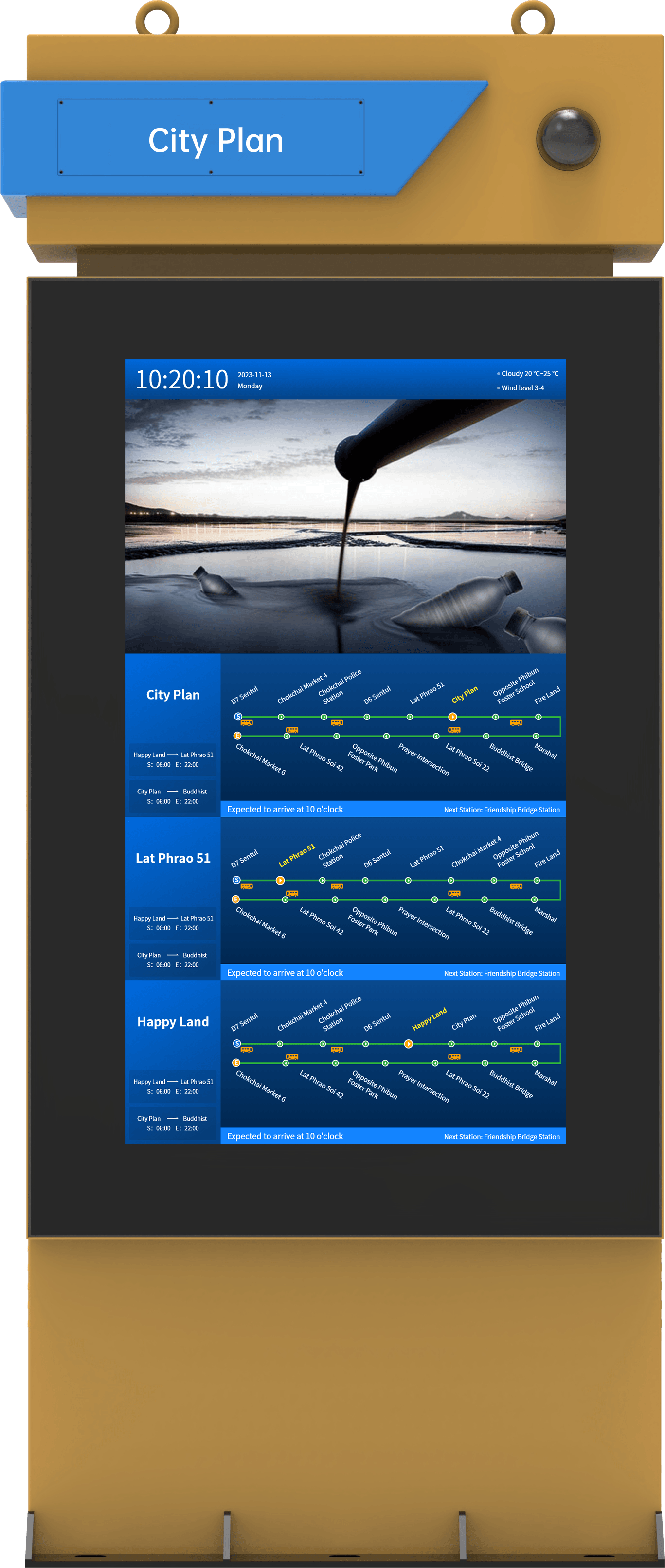
The outdoor electronic bus stop sign system developed by Lanscomm represents the pinnacle of modern transit information display technology. These units feature high-brightness LED displays visible in all lighting conditions, with IP65-rated waterproof casing that ensures reliable operation in any weather. The solar-powered versions incorporate advanced energy management systems, enabling deployment in remote areas without access to the power grid while maintaining continuous operation.
Key features of Lanscomm’s electronic bus stop signs include:
- Real-time vehicle tracking and arrival predictions
- Multi-language support for diverse urban populations
- Emergency alert broadcasting capabilities
- Weather and news display integration
- Remote management through centralized platforms
- Vandal-resistant construction for public safety
The in-vehicle passenger information displays complement outdoor signs by providing continuous transit information throughout journeys. These screens show current stops, upcoming transfers, and service announcements, helping passengers stay informed even when they can’t see outdoor signs. When integrated with payment systems and AI-powered passenger counting, they form complete MaaS (Mobility as a Service) solutions that redefine public transportation experiences.
Technical Specifications of Advanced Display Systems
Lanscomm’s electronic bus stop signs incorporate cutting-edge technologies to ensure reliability and performance in demanding urban environments. The solar-powered models feature high-efficiency monocrystalline solar panels paired with deep-cycle batteries that provide 5-7 days of autonomous operation without sunlight. This makes them ideal for regions with inconsistent weather patterns or remote bus stops without grid connections.
| Specification | Details |
|---|---|
| Display Type | High-brightness LED with automatic dimming |
| Visibility Range | 50-100 meters depending on ambient light |
| Power Options | Grid-connected or solar with battery backup |
| Communication | 4G/5G, Wi-Fi, or Ethernet |
| Operating Temperature | -30°C to +60°C (-22°F to +140°F) |
Global Implementation and Success Stories
Lanscomm’s electronic bus stop signs have been deployed in diverse climates and urban environments across 40 countries, demonstrating their adaptability and reliability. In Thailand, the company partnered with local transit authorities to implement a nationwide system connecting major cities with real-time information displays. The solution reduced passenger wait times by 35% while increasing overall satisfaction scores.
In South Africa, Lanscomm’s solar-powered bus stop signs enabled the expansion of public transit services to rural areas previously underserved by traditional infrastructure. The self-sustaining systems required no grid connections or ongoing fuel costs, making them economically viable for low-density routes. This implementation became a model for sustainable public transportation in developing regions.
The company’s work with major automotive manufacturers has also influenced bus stop sign technology. Collaborations with Yutong, King Long, and other vehicle makers have led to integrated systems where bus locations are tracked through onboard telematics units, feeding precise arrival data to electronic signs. This end-to-end approach ensures data accuracy and system reliability that standalone solutions often cannot match.
FAQ
What makes electronic bus stop signs more effective than traditional signs?
Electronic bus stop signs provide real-time information about vehicle locations and estimated arrival times, eliminating the uncertainty of static schedules. They can display service alerts, emergency notifications, and additional information like weather updates. The dynamic nature of these displays creates more informed passengers who can better plan their journeys, reducing perceived wait times and improving overall satisfaction with public transit services.
How do solar-powered bus stop signs work in areas with limited sunlight?
Lanscomm’s solar bus stop signs use high-efficiency monocrystalline solar panels combined with deep-cycle batteries that store sufficient energy for 5-7 days of operation without sunlight. The systems include intelligent power management that adjusts display brightness based on available energy while prioritizing critical information during low-power conditions. This ensures reliable operation even in regions with frequent cloud cover or short winter days.
Can electronic bus stop signs integrate with existing transit management systems?
Yes, Lanscomm’s systems are designed for seamless integration with most modern transit management platforms. They support standard communication protocols and APIs that allow real-time data exchange about vehicle locations, service changes, and passenger counts. The company also offers custom integration services to ensure compatibility with legacy systems during transition periods.
What maintenance is required for outdoor electronic bus stop signs?
Lanscomm’s electronic bus stop signs require minimal maintenance due to their rugged design and weatherproof construction. Regular tasks include cleaning the display surface, checking solar panel efficiency (for solar models), and verifying communication connectivity. The company provides remote monitoring tools that alert operators to potential issues before they affect service, and most components are designed for 5-10 years of trouble-free operation.
Summary
Electronic bus stop signs represent a fundamental advancement in public transportation infrastructure, transforming static waiting points into dynamic information hubs that enhance passenger experience and operational efficiency. Xiamen Lanscomm’s comprehensive solutions combine robust hardware with intelligent software, offering solar-powered options for remote areas and complete MaaS integration for modern urban transit networks. With implementations in over 400 cities worldwide and partnerships with leading automotive manufacturers, the company continues to set industry standards for reliability, innovation, and passenger-centric design in smart transportation solutions.