
In the era of smart transportation, passenger information display systems have become indispensable components of modern public transit networks. These intelligent displays not only provide real-time arrival information but also serve as communication hubs that enhance passenger experience and operational efficiency. As a leading provider of smart transportation solutions, Xiamen Lans Communication has pioneered the development of advanced passenger information display systems that are transforming public transit systems across the globe.
The Evolution of Passenger Information Display Systems
Passenger information displays have evolved significantly from simple static signs to sophisticated digital systems. Early implementations featured basic LED displays showing limited information, while modern systems incorporate high-definition LCD screens with advanced functionality. The transformation reflects broader technological advancements and changing passenger expectations in the digital age.
Today’s passenger information display systems represent a convergence of multiple technologies: high-resolution displays, reliable communication networks, intelligent data processing, and user-friendly interfaces. These systems collect data from various sources including GPS tracking, scheduling software, and operational control centers to provide accurate, real-time information to passengers.
Xiamen Lans Communication has been at the forefront of this evolution since its founding in 2006. The company’s passenger information display solutions integrate seamlessly with broader smart transportation ecosystems, offering features that address both passenger needs and operational requirements of transit authorities worldwide.
Core Components of Modern Passenger Information Displays
Modern passenger information display systems comprise two primary components: in-vehicle displays and outdoor electronic stop signs. Each serves specific functions while working together to create a cohesive information network.
In-Vehicle Passenger Information Displays
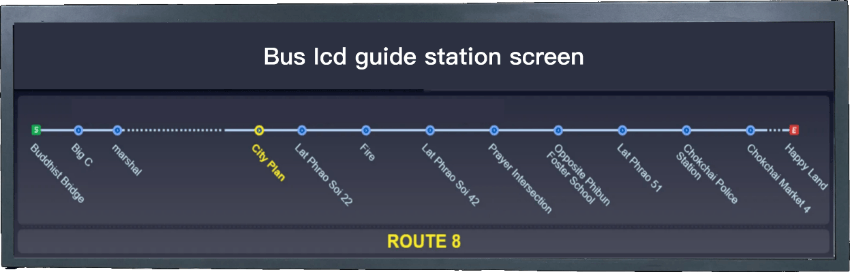
Installed inside buses and other public transit vehicles, these displays provide passengers with crucial information about their journey. Key features include:
- Real-time arrival information at upcoming stops
- Transfer and connection guidance
- Service announcements and emergency alerts
- Multilingual support for international passengers
- Advertising and public service announcements
Xiamen Lans’ in-vehicle displays feature high-brightness screens visible in all lighting conditions and intuitive interfaces that accommodate passengers of all ages and abilities. The systems integrate with vehicle telematics to display accurate, synchronized information.
Outdoor Electronic Stop Signs
Stationed at bus stops and transit hubs, outdoor electronic displays serve as critical information points for waiting passengers. These systems offer:
- Estimated arrival times for approaching vehicles
- Service alerts and route changes
- Weather information and emergency notifications
- Interactive features in some advanced models
- Solar-powered options for remote locations
The outdoor displays from Xiamen Lans are engineered for durability, with weatherproof enclosures and energy-efficient components. Many models incorporate wireless connectivity for easy updates and remote management.

Technological Innovations in Passenger Information Displays
Several technological advancements have driven the capabilities of modern passenger information display systems:
1. High-Definition Display Technology
The transition from LED to LCD and now to high-definition LED displays has dramatically improved readability and information density. Modern displays can show multiple data streams simultaneously without compromising clarity.
2. Advanced Communication Protocols
Systems now support multiple communication methods including 4G/5G, Wi-Fi, and dedicated short-range communications (DSRC). This ensures reliable data transmission even in challenging environments.
3. Cloud-Based Data Management
Centralized cloud platforms enable real-time updates and remote management of display networks. Operators can push content instantly to any display in the system.
4. Artificial Intelligence Integration
AI algorithms analyze historical data to predict arrival times more accurately and identify patterns that help optimize service schedules.
5. Multilingual Support Systems
With global travel on the rise, displays now support multiple languages, often automatically detecting the preferred language based on location or user input.
Xiamen Lans incorporates all these innovations in its passenger information display solutions, creating systems that are both cutting-edge and practical for real-world deployment.
Global Implementation and Success Stories
Xiamen Lans’ passenger information display systems have been implemented in over 400 cities worldwide, with equipment installed in more than 1 million vehicles. The company’s international projects demonstrate the versatility and effectiveness of its solutions across diverse environments and operational requirements.
Case Study: Urban Transit Modernization in Southeast Asia
In a major Southeast Asian city, Xiamen Lans deployed a comprehensive passenger information system as part of a broader transit modernization project. The solution included:
- 2,000+ outdoor electronic stop signs with solar power options
- 3,500 in-vehicle displays for the bus fleet
- Centralized management platform with multilingual support
- Integration with existing scheduling and ticketing systems
The project resulted in a 30% increase in passenger satisfaction scores and a 15% improvement in operational efficiency for the transit authority.
Case Study: Smart City Initiative in the Middle East
For a smart city project in the Middle East, Xiamen Lans provided an advanced passenger information system featuring:
- Interactive outdoor displays with touch functionality
- Real-time integration with traffic management systems
- Emergency notification capabilities
- Data analytics for service optimization
The system became a key component of the city’s smart transportation infrastructure, supporting its goal of becoming a regional leader in sustainable urban mobility.
Key Benefits for Transit Authorities and Passengers
The implementation of advanced passenger information display systems offers numerous benefits for both transit operators and passengers:
For Transit Authorities:
- Improved operational efficiency through better information flow
- Enhanced ability to communicate service changes and emergencies
- Data collection for performance analysis and service optimization
- Increased passenger trust through transparency
- Reduced inquiry volume to customer service centers
For Passengers:
- Reduced uncertainty and anxiety about journey details
- Better ability to plan connections and transfers
- Access to important service information and alerts
- Improved overall travel experience
- Increased confidence in public transportation systems
Future Trends in Passenger Information Display Technology
The passenger information display sector continues to evolve rapidly, with several key trends shaping its future development:
1. Increased Personalization
Future systems will offer more personalized information based on passenger preferences and travel patterns, possibly integrating with mobile apps for a seamless experience.
2. Enhanced Interactivity
Touchscreens and voice interfaces will make displays more interactive, allowing passengers to request specific information or provide feedback.
3. Greater Integration with Smart City Infrastructure
Passenger information displays will become nodes in broader smart city networks, sharing data with traffic management, environmental monitoring, and emergency response systems.
4. Advanced Predictive Capabilities
Improved AI algorithms will enable more accurate predictions of arrival times and service disruptions, even accounting for real-time traffic conditions.
5. Sustainability Focus
Manufacturers will develop more energy-efficient displays with sustainable materials, supporting global environmental goals.
Xiamen Lans is actively researching and developing solutions that incorporate these emerging trends, ensuring its products remain at the cutting edge of smart transportation technology.
FAQ
What makes Xiamen Lans’ passenger information displays different from other suppliers?
Xiamen Lans offers fully integrated smart transportation solutions rather than standalone displays. Our systems are designed for global deployment with multilingual support, robust construction for diverse climates, and seamless integration with other transit technologies. With projects in over 40 countries, we have proven expertise in adapting solutions to local requirements.
How do passenger information displays improve public transport efficiency?
By providing real-time information, these displays reduce passenger uncertainty and confusion, leading to smoher boarding processes and better utilization of vehicles. Operators can communicate delays or route changes instantly, minimizing disruption impact. The data collected also helps optimize scheduling and resource allocation.
Can passenger information displays work in areas with limited network connectivity?
Yes, our systems support multiple communication methods including offline modes. Outdoor displays can store schedules and updates for extended periods without network access. In-vehicle systems use a combination of GPS and predictive algorithms to maintain accuracy even with intermittent connectivity.
What maintenance is required for passenger information display systems?
Our displays are designed for minimal maintenance with durable components and weatherproof enclosures. Regular software updates can be performed remotely. Physical maintenance typically involves cleaning screens and checking connections, with recommended service intervals depending on usage and environment.
How does Xiamen Lans ensure data security for its passenger information systems?
We implement multiple security layers including encrypted data transmission, secure authentication protocols, and regular security audits. Our cloud platforms comply with international data protection standards, and we work closely with clients to address specific security requirements for each implementation.
Summary
Passenger information display systems have become essential components of modern smart transportation networks, offering benefits that extend far beyond simply showing arrival times. Xiamen Lans Communication has established itself as a global leader in this field, providing comprehensive solutions that enhance passenger experience, improve operational efficiency, and support the digital transformation of public transit systems.
With over 18 years of experience and implementations in more than 400 cities worldwide, the company’s passenger information displays represent the culmination of technological innovation and practical industry expertise. From high-definition in-vehicle screens to solar-powered outdoor stop signs, Xiamen Lans’ products demonstrate a commitment to quality, reliability, and adaptability across diverse operational environments.
As cities continue to invest in smart transportation infrastructure, the role of passenger information displays will only grow in importance. These systems not only provide critical information to travelers but also serve as vital communication links within broader transit ecosystems. Xiamen Lans remains at the forefront of this evolution, developing solutions that meet today’s needs while incorporating the technologies that will define tomorrow’s smart cities.