
Public transportation systems worldwide face increasing pressure to improve operational efficiency while enhancing passenger experience. In this context, advanced payment terminals have emerged as critical components in modernizing transit operations. Xiamen Lans Communication Co., Ltd., a leading provider of intelligent transportation solutions since 2006, has developed cutting-edge bus payment terminals that integrate multiple payment methods, 4G connectivity, and intelligent features to address these challenges effectively.
The Evolution of Bus Payment Systems
Traditional bus payment methods have evolved significantly over the past decade. From cash-only systems to magnetic stripe cards, and now to contactless payments, the industry has witnessed rapid technological advancements. Modern bus payment terminals must accommodate this evolution while ensuring backward compatibility and system reliability.
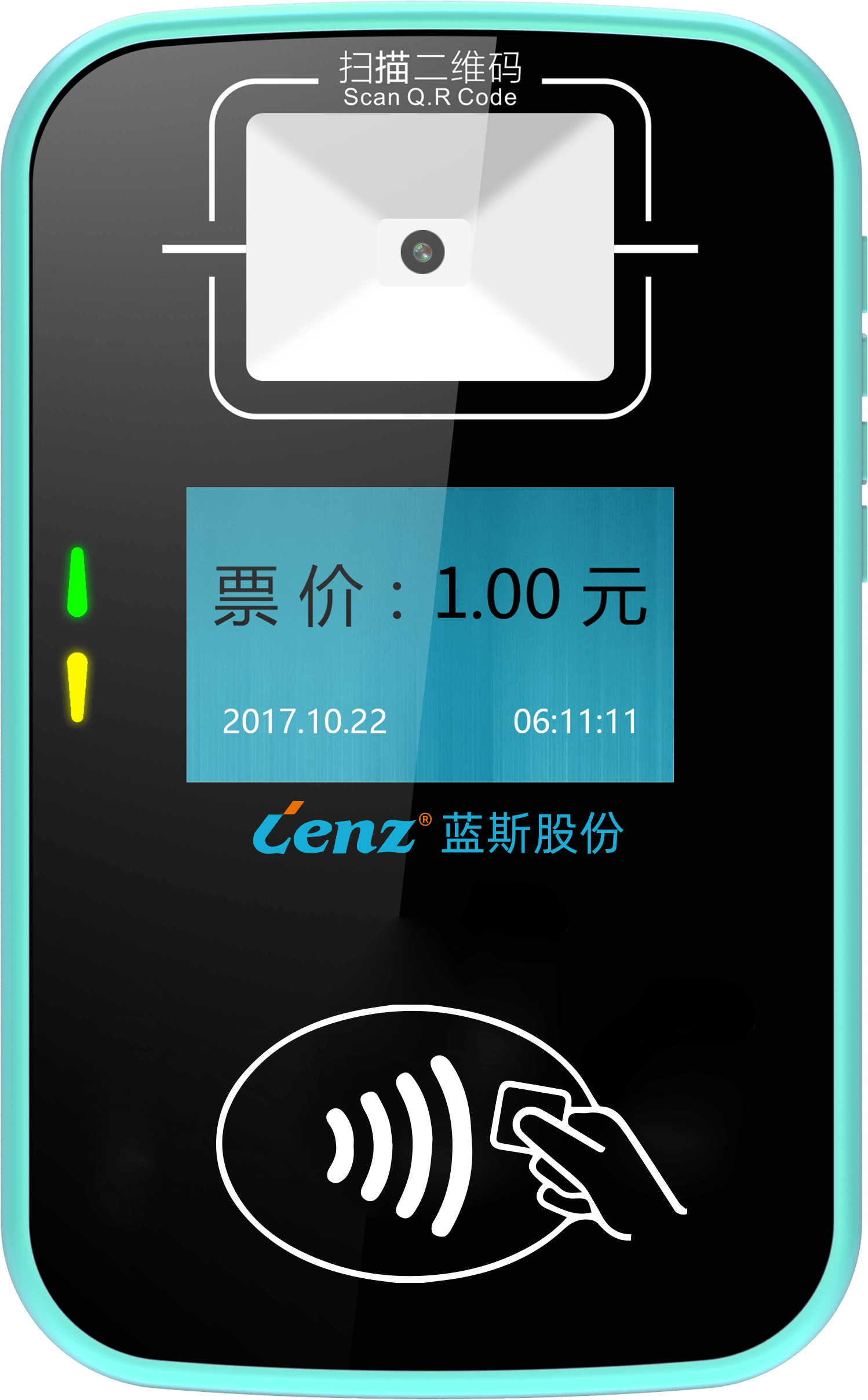
Xiamen Lans Communication’s payment terminals represent the latest generation of transit payment solutions. These devices support an extensive range of payment methods including QR code scanning, NFC, bank cards, ID cards, and even biometric authentication in premium models. This comprehensive approach ensures passengers can pay using their preferred method while reducing boarding times and improving operational efficiency.
The company’s expertise in intelligent transportation solutions, gained through nearly two decades of industry experience, enables them to design payment terminals that address specific challenges faced by public transport operators. Their solutions have been successfully implemented in over 400 cities globally, with more than 1 million devices installed on vehicles.
Key Features of Advanced Bus Payment Terminals
Modern bus payment terminals must offer more than just payment processing capabilities. Xiamen Lans Communication’s devices incorporate several innovative features that enhance their functionality and value to transit operators:
1. Multi-Payment Method Support
The core functionality of these terminals revolves around their ability to accept various payment forms. Standard models support QR code scanning (for WeChat Pay, Alipay, and other mobile wallets), NFC contactless payments, bank card transactions, and ID card payments. Premium models extend these capabilities with facial recognition and palm vein recognition technologies, offering passengers truly contactless payment experiences.
This multi-modal approach accommodates passengers with different preferences and technological familiarity levels. Tourist visitors can use international credit cards, while local commuters might prefer mobile payments or dedicated transit cards. The system’s flexibility reduces boarding delays and improves overall service efficiency.
2. 4G Connectivity with Offline Functionality
Reliable connectivity is crucial for real-time transaction processing and data synchronization. Xiamen Lans Communication’s terminals feature 4G connectivity that ensures seamless communication with central systems even in areas with limited network coverage. However, recognizing that perfect connectivity cannot always be guaranteed, the devices incorporate robust offline functionality.
When operating offline, the terminals can still process payments and store transaction data securely. Once connectivity is restored, they automatically synchronize with the central system, ensuring complete transaction records and accurate revenue reporting. This dual-mode operation provides operators with peace of mind and uninterrupted service.
3. Intelligent Transaction Management
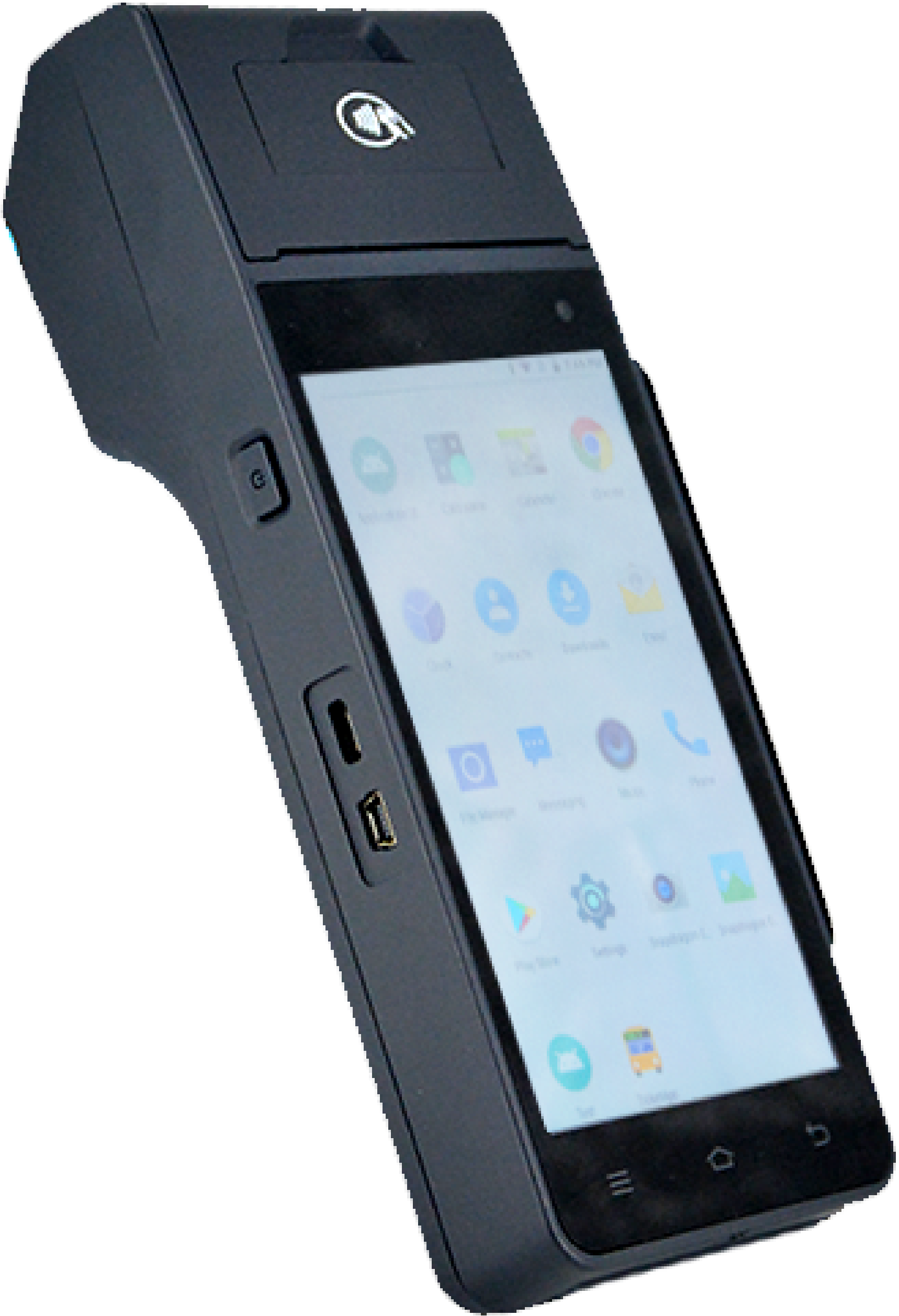
Beyond basic payment processing, these terminals incorporate intelligent features that enhance operational management. They can generate detailed transaction reports, track payment trends, and identify potential revenue leakage points. This data-driven approach enables operators to optimize fare structures, identify popular routes, and make informed business decisions.
The terminals also support dynamic pricing models, allowing operators to implement time-based fares, zone-based pricing, or special discounts during off-peak hours. This flexibility helps balance passenger loads and maximize revenue potential while improving service accessibility.
4. Durable Design for Public Transport Environments
Public transport vehicles operate in challenging environments with constant vibration, temperature variations, and potential vandalism risks. Xiamen Lans Communication’s payment terminals are designed with these conditions in mind, featuring rugged enclosures, shock-resistant components, and wide operating temperature ranges.
The devices undergo rigorous testing to ensure they can withstand the demands of daily public transport operations. This durability translates to lower maintenance costs and longer service life, providing operators with better return on investment.
Technical Specifications Comparison
To help operators select the most suitable payment terminal for their specific needs, the following table compares key specifications across different models:
| Feature | Standard Model | Premium Model |
|---|---|---|
| Payment Methods | QR code, NFC, Bank card, ID card | All standard methods + Facial recognition, Palm vein |
| Connectivity | 4G, Wi-Fi (optional) | 4G, Wi-Fi, Bluetooth |
| Display Size | 7-inch capacitive touch | 10.1-inch capacitive touch |
| Operating Temperature | -20°C to +60°C | -25°C to +70°C |
| IP Rating | IP54 | IP65 |
| Transaction Storage | 100,000+ records | 200,000+ records |
Global Implementation Success Stories
Xiamen Lans Communication’s payment terminals have been successfully implemented in diverse markets worldwide, demonstrating their adaptability to different operational environments and passenger expectations. Several notable implementations highlight the solution’s versatility:
In Southeast Asia, a major city with over 5 million inhabitants implemented the company’s payment terminals across its entire bus fleet. The solution integrated with existing mobile payment platforms, resulting in a 40% reduction in cash handling and a 25% increase in passenger throughput during peak hours.
A Middle Eastern transit authority selected the premium model with biometric authentication for its luxury bus services. The facial recognition feature not only enhanced security but also provided valuable passenger flow data that helped optimize scheduling and resource allocation.
In Africa, a growing urban transit system implemented the standard model with offline functionality as their primary payment solution. The robust design and reliable operation in areas with intermittent connectivity proved crucial to the system’s success, with transaction success rates exceeding 99.8%.
FAQ
What payment methods do your bus payment terminals support?
Our standard bus payment terminals support QR code scanning (for WeChat Pay, Alipay, and other mobile wallets), NFC contactless payments, bank card transactions, and ID card payments. Our premium models extend these capabilities with facial recognition and palm vein recognition technologies, offering passengers truly contactless payment experiences across all major payment methods.
How do your terminals handle areas with poor network connectivity?
All our payment terminals feature 4G connectivity for reliable communication with central systems. However, they also incorporate robust offline functionality that allows them to continue processing payments and storing transaction data when connectivity is lost. Once network access is restored, the terminals automatically synchronize all offline transactions, ensuring complete revenue reporting and operational continuity.
Can your payment terminals integrate with existing transit management systems?
Yes, our payment terminals are designed for seamless integration with various transit management systems. We provide comprehensive APIs and documentation to facilitate integration with fare collection systems, passenger information systems, and other operational management platforms. Our technical team also offers support during the integration process to ensure smooth implementation.
What maintenance is required for your bus payment terminals?
Our payment terminals are designed for minimal maintenance requirements. Regular cleaning of the touchscreen and exterior surfaces is recommended. The devices feature self-diagnostic capabilities that can alert operators to potential issues before they cause operational problems. We recommend annual preventive maintenance checks to ensure optimal performance, though the rugged design ensures reliable operation between these checks.
Summary
Xiamen Lans Communication’s advanced bus payment terminals represent a significant leap forward in public transport payment technology. By combining multiple payment methods, robust connectivity options, and intelligent features in rugged, reliable devices, these terminals address the core challenges faced by modern transit operators. The solution’s proven track record in over 400 cities worldwide, with more than 1 million devices deployed, demonstrates its effectiveness in diverse operational environments.
For transit authorities looking to modernize their payment systems, these terminals offer a comprehensive solution that improves operational efficiency, enhances passenger experience, and provides valuable data for informed decision-making. The combination of technical sophistication, durability, and global implementation experience makes Xiamen Lans Communication a trusted partner for public transport payment solutions worldwide.